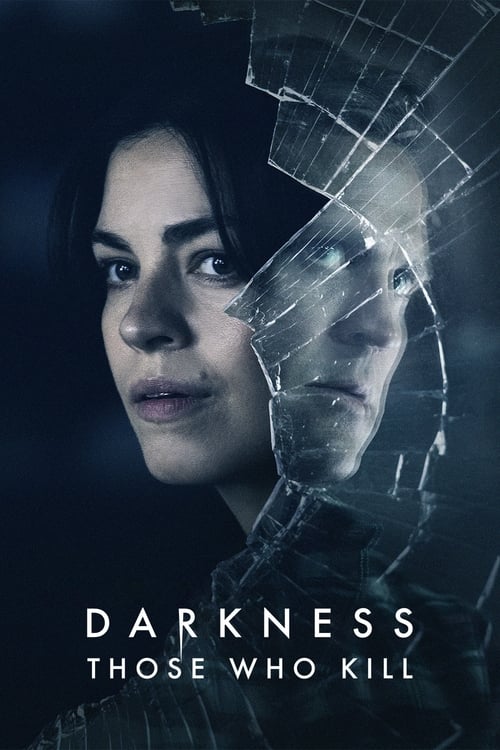








Popular
What motivates the character of Jan to pursue the serial killer?
How does the relationship between Jan and his partner, Louise, evolve throughout the series?
What role does the setting play in the investigation of the serial killer?
What are the key clues that lead Jan and Louise closer to identifying the killer?
How does the character of the killer reflect the themes of the show?
Should I watch it?
Ask Your Own Question

What is the plot?
The series opens with a chilling scene where a young woman, a victim of a serial killer, is shown in a state of distress. The camera captures her fear and desperation as she tries to escape her captor. The tension builds as she is ultimately overpowered, setting the tone for the dark narrative that follows.
We are introduced to the main characters, detectives Jan and Louise, who are called to investigate the disappearance of a young woman named Sara. The detectives are portrayed as deeply committed to their work, but they also carry personal burdens. Jan is haunted by his past failures in solving similar cases, while Louise struggles with her own emotional demons. Their dynamic is established as they work together, showcasing both camaraderie and tension.
As they delve deeper into the investigation, Jan and Louise discover that Sara's disappearance is linked to a series of unsolved cases involving missing women. They begin to piece together a profile of the potential killer, leading them to a secluded area where they find evidence that suggests a ritualistic element to the abductions. The detectives' determination intensifies as they realize they are racing against time to save Sara.
The narrative shifts to the perspective of the killer, who is revealed to be a deeply troubled individual with a traumatic past. This character's motivations are explored through flashbacks that depict their childhood and the events that shaped their violent tendencies. The juxtaposition of the killer's backstory with the detectives' investigation adds depth to the narrative, highlighting the complexities of human nature.
Jan and Louise receive a tip-off that leads them to a suspect, a man with a history of violence. They conduct a tense interrogation, where Jan's frustration boils over as he struggles to extract information. The suspect remains evasive, and the detectives leave the interrogation room feeling defeated but more determined than ever to find Sara.
As the investigation progresses, Jan and Louise uncover a connection between the suspect and a local group that has been linked to the disappearances. They infiltrate the group, posing as potential members to gather information. This sequence is filled with suspense as they navigate the dangerous environment, trying to maintain their cover while searching for clues.
The detectives manage to find a hidden location used by the group, where they discover disturbing evidence of the abductions. The atmosphere is tense as they realize they are not alone; they are confronted by members of the group who are hostile and suspicious. A confrontation ensues, leading to a chaotic escape where Jan and Louise narrowly avoid being captured.
In a pivotal moment, Jan receives a call that leads him to a remote cabin where Sara is being held. The scene is fraught with tension as he approaches the cabin, weapon drawn, heart racing. Inside, he finds Sara in a state of fear and trauma, but before he can rescue her, the killer appears, leading to a violent confrontation. The struggle is intense, with both Jan and the killer exchanging blows, showcasing Jan's desperation to save Sara.
Louise arrives just in time to assist Jan, and together they manage to subdue the killer. The emotional weight of the moment is palpable as they free Sara, who is traumatized but alive. The relief is mixed with the realization of the horrors they have uncovered and the toll it has taken on all involved.
In the aftermath, the detectives reflect on the case and the impact it has had on their lives. Jan grapples with the emotional scars left by the encounter, while Louise contemplates her own vulnerabilities. The series concludes with a sense of unresolved tension, hinting at the lingering effects of their experiences and the darkness that still exists in the world around them.





What is the ending?
In the ending of "Darkness: Those Who Kill," the story culminates in a tense confrontation between the main characters, leading to a tragic resolution. The series concludes with the fates of the key characters being revealed, leaving a lasting impact on their lives.
As the narrative unfolds, we find the lead investigator, Detective Janina, grappling with the emotional weight of her pursuit of a serial killer. The tension escalates when she discovers the true identity of the killer, who has been manipulating events from the shadows. In a climactic showdown, Janina confronts the killer, leading to a violent struggle that tests her resolve and determination.
Ultimately, Janina is forced to make a harrowing choice that results in the death of the killer, but not without significant personal cost. The emotional toll of her actions weighs heavily on her, leaving her to reflect on the nature of justice and the darkness that resides within herself.
The series concludes with Janina standing alone, contemplating the consequences of her pursuit, while the haunting memories of the victims linger in her mind. The ending leaves viewers with a sense of unresolved tension, highlighting the complexities of morality and the impact of violence on the human psyche.
In a more detailed narrative:
The final episodes of "Darkness: Those Who Kill" unfold with a palpable sense of urgency. Detective Janina, portrayed with a fierce determination, is on the brink of uncovering the truth behind a series of gruesome murders that have plagued her community. The atmosphere is thick with dread as she delves deeper into the investigation, piecing together clues that lead her closer to the elusive killer.
As the investigation progresses, Janina's personal life begins to unravel. The emotional strain of her work seeps into her relationships, particularly with her partner, who expresses concern for her well-being. Despite the warnings, Janina is relentless, driven by a need for closure and justice for the victims. Her internal conflict is palpable; she is torn between her duty as a detective and the toll it takes on her soul.
In a pivotal scene, Janina receives a breakthrough when she discovers a connection between the victims and a seemingly ordinary individual in her community. The tension escalates as she confronts this suspect, leading to a harrowing chase through darkened streets. The cinematography captures the frantic energy of the pursuit, with shadows looming ominously, symbolizing the darkness that envelops both the killer and Janina.
The climax arrives when Janina finally corners the killer in an abandoned warehouse, a setting that echoes the desolation of the victims' fates. The confrontation is intense, filled with raw emotion as Janina confronts the killer about their motives. The dialogue is charged, revealing the killer's twisted rationale and Janina's desperate need for answers. The struggle that ensues is brutal, showcasing Janina's physical and emotional strength as she fights not just for her life, but for the lives of those who were lost.
In a heart-stopping moment, Janina is faced with a choice: to let the killer live or to take justice into her own hands. The weight of her decision hangs heavy in the air, and in a moment of clarity, she chooses to end the killer's life. The act is both liberating and devastating, as she realizes the darkness she has embraced in her quest for justice.
As the dust settles, Janina stands alone in the aftermath, the warehouse silent except for the echoes of her choices. The camera lingers on her face, capturing the mix of relief and sorrow that washes over her. She is left to grapple with the consequences of her actions, haunted by the memories of the victims and the realization that she has crossed a line from which there is no return.
The series concludes with Janina walking away from the scene, her silhouette fading into the night. The final shot leaves viewers with a lingering sense of ambiguity, reflecting the complexities of human nature and the shadows that dwell within us all. Each character's fate is intertwined with the themes of loss, justice, and the inescapable darkness that can consume even the most determined souls.
Is there a post-credit scene?
In the 2019 series "Darkness: Those Who Kill," there is no post-credit scene. The show concludes its narrative without any additional scenes after the credits roll. The final moments of the series focus on the resolution of the central investigation and the emotional aftermath for the characters involved, particularly the detectives and the families affected by the crimes. The absence of a post-credit scene allows the audience to reflect on the intense themes of the series, such as the impact of violence and the complexities of human relationships, without any further distractions or cliffhangers.
What motivates the character of Jan to pursue the serial killer?
Jan, a seasoned detective, is driven by a deep sense of justice and personal loss. His past experiences with unsolved cases haunt him, particularly the unresolved disappearance of a close friend. This personal connection fuels his determination to catch the serial killer, as he believes that solving this case could provide closure not only for the victims' families but also for himself.
How does the relationship between Jan and his partner, Louise, evolve throughout the series?
Initially, Jan and Louise have a professional relationship marked by tension and differing approaches to their work. Jan is more emotionally invested in the case, while Louise maintains a more analytical perspective. As they delve deeper into the investigation, they begin to understand each other's motivations and vulnerabilities, leading to a growing bond. This evolution is highlighted in moments of shared grief and frustration, ultimately culminating in a mutual respect and camaraderie.
What role does the setting play in the investigation of the serial killer?
The setting, a small, isolated town, plays a crucial role in the investigation. The tight-knit community is filled with secrets, and the landscape--dark forests and abandoned buildings--creates an atmosphere of tension and foreboding. This environment not only reflects the characters' internal struggles but also serves as a backdrop for key plot developments, such as the discovery of crucial evidence and confrontations with suspects.
What are the key clues that lead Jan and Louise closer to identifying the killer?
Throughout the series, Jan and Louise uncover several key clues that gradually piece together the identity of the killer. These include a series of cryptic messages left at crime scenes, witness testimonies that reveal patterns in the victims' lives, and forensic evidence that links the murders to a specific location. Each clue adds layers to the investigation, intensifying the suspense and driving the narrative forward.
How does the character of the killer reflect the themes of the show?
The killer in 'Darkness: Those Who Kill' embodies the themes of trauma and the impact of past experiences on present actions. As Jan and Louise uncover the killer's backstory, it becomes clear that their motivations are rooted in deep psychological scars. This exploration of the killer's psyche not only serves to heighten the tension but also prompts viewers to consider the complexities of human behavior and the darkness that can reside within.
Is this family friendly?
"Darkness: Those Who Kill" is not considered family-friendly due to its intense themes and graphic content. The show delves into the dark world of crime and murder, which may be distressing for children or sensitive viewers.
Potentially objectionable or upsetting aspects include:
-
Violence and Murder: The series features scenes depicting violent acts, including murder, which are central to the plot and can be quite graphic.
-
Psychological Tension: The show explores the psychological impact of crime on both victims and perpetrators, leading to intense emotional scenes that may be unsettling.
-
Themes of Abduction: The narrative includes elements of kidnapping and the emotional turmoil associated with it, which can be distressing.
-
Dark Atmosphere: The overall tone of the series is bleak and foreboding, which may evoke feelings of anxiety or fear.
-
Adult Language and Situations: The dialogue includes strong language and adult themes that are not suitable for younger audiences.
These elements contribute to a mature viewing experience, making it more appropriate for adult audiences.