





















Popular
What is the significance of the mysterious symbol found on the ship?
How does the character of Maura Franklin evolve throughout the series?
What role does the character of Eyk Larsen play in the unfolding mystery?
What is the relationship between the characters of Daniel and the other passengers?
How does the character of Lucien impact the dynamics among the passengers?
Should I watch it?
Ask Your Own Question

What is the plot?
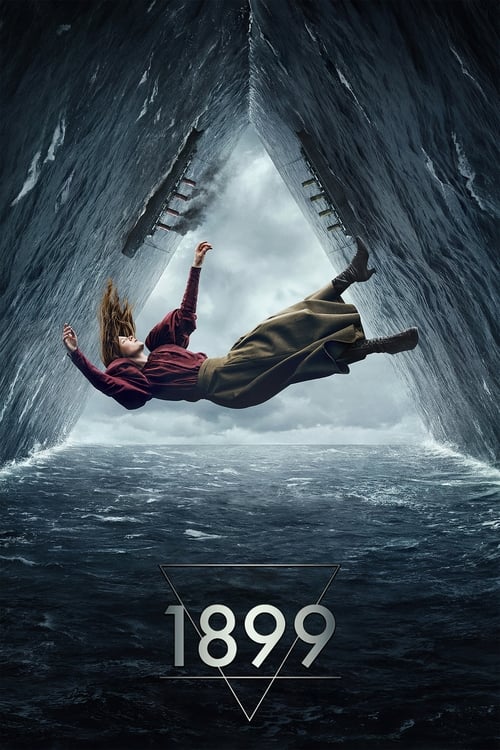
The story begins aboard the Kerberos, a migrant ship traveling from Europe to America in 1899. The passengers, a diverse group of individuals, each carry their own secrets and burdens. Among them is Maura Franklin, a woman haunted by her past, who is searching for her missing brother. She is introduced as a strong-willed character, determined to uncover the truth about her brother's disappearance.
As the ship sails, the passengers begin to interact, revealing their backgrounds. There is Eyk Larsen, the ship's captain, who is troubled and has a mysterious connection to Maura. The ship's crew is also introduced, including the first officer, who is loyal to Eyk. The atmosphere on the ship is tense, with an underlying sense of dread as the passengers share their stories and fears.
One night, the ship encounters a distress signal from another vessel, the Prometheus. Eyk decides to investigate, despite the crew's concerns. They find the Prometheus adrift, with no crew members on board. Inside, they discover unsettling signs of chaos, including bloodstains and personal belongings left behind. This discovery raises questions about what happened to the passengers and crew of the Prometheus.
As the Kerberos continues its journey, strange occurrences begin to unfold. Passengers experience vivid nightmares and hallucinations, suggesting that something supernatural is at play. Maura, in particular, is affected, as she begins to see visions of her brother. These experiences lead her to question her sanity and the reality of their situation.
Tensions rise among the passengers as they grapple with their fears and the unknown. A group of them, including Maura, Eyk, and a few others, decide to investigate the mysteries surrounding the ship. They uncover a hidden compartment in the ship that contains a strange device, which seems to be connected to the supernatural events they are experiencing.
As they delve deeper, they discover that the ship is not just a means of transportation but a part of a larger, more sinister experiment. The passengers are trapped in a loop, reliving their traumas and fears. This revelation leads to a sense of urgency among the group, as they realize they must find a way to escape the cycle.
The emotional stakes heighten when Maura confronts Eyk about his past and their connection. Eyk reveals that he has been searching for his own lost loved ones, and this shared pain brings them closer together. However, the tension remains as they face the reality of their situation and the dangers that lurk within the ship.
As the group attempts to break free from the cycle, they encounter a series of confrontations with the ship's crew, who seem to be aware of the supernatural forces at play. The crew members become increasingly hostile, leading to a physical confrontation. Eyk and the others fight back, determined to take control of their fate.
In a climactic moment, Maura discovers that the device they found is a key to breaking the cycle. She realizes that they must confront their pasts and the traumas that bind them to the ship. This leads to a series of emotional confrontations among the passengers, as they share their darkest secrets and fears.
As they work together to activate the device, the ship begins to shake, and the supernatural forces intensify. The passengers are thrown into chaos as they struggle to maintain their grip on reality. In a desperate bid for freedom, they manage to activate the device, which creates a rift in the fabric of their reality.
The final moments of the series reveal a shocking twist: the passengers are not just trapped on the ship but are part of a larger experiment orchestrated by unseen forces. The ship transforms into a surreal landscape, and the characters are faced with the choice of confronting their pasts or remaining trapped in the cycle forever.
In the end, Maura makes a pivotal decision to confront her brother's fate, leading to a powerful emotional climax. The series concludes with the characters facing the unknown, leaving their ultimate fates ambiguous and open to interpretation.






What is the ending?
In the ending of "1899," the passengers aboard the ship Kerberos discover that they are trapped in a simulation created by a mysterious entity. The main character, Maura, realizes that she is the architect of this simulation, which is tied to her traumatic past. The story concludes with a shocking twist as the characters confront their realities, leading to a confrontation with the entity controlling their fate.
As the final episodes unfold, the tension aboard the Kerberos escalates. The passengers, who have been experiencing strange occurrences and visions, begin to piece together the truth about their situation. Maura, who has been grappling with her memories and the loss of her brother, finds herself at the center of the mystery.
In a pivotal scene, Maura confronts the entity, which takes the form of a young boy. This entity reveals that the passengers are part of a larger experiment, trapped in a loop of their own traumas and fears. The ship itself becomes a metaphor for their struggles, as they are unable to escape the confines of their own minds.
As the characters face their fears, we see significant moments of realization. Daniel, who has been protective of Maura, ultimately sacrifices himself to help her break free from the simulation. His fate is tragic yet heroic, as he chooses to confront the entity, allowing Maura a chance to escape.
The climax reaches a fever pitch when Maura, armed with the knowledge of her past and the strength of her connections with the other passengers, confronts the entity. In a visually stunning sequence, she navigates through the memories of her fellow travelers, each representing a different aspect of their shared trauma.
In the final moments, Maura manages to break the cycle, leading to a dramatic shift in the environment of the ship. The passengers begin to awaken from their slumber, realizing that they have been living in a constructed reality. However, the ending leaves viewers with a sense of ambiguity, as Maura finds herself in a new setting, suggesting that the cycle may not be entirely broken.
The fates of the main characters are intertwined with the themes of trauma and redemption. Maura, having faced her past, is given a chance at a new beginning, while Daniel's sacrifice highlights the depth of love and loyalty. Other characters, such as Eyk and the various passengers, are left with unresolved arcs, emphasizing the complexity of their experiences and the lingering effects of their traumas.
In the final scene, as Maura steps into a new world, the screen fades to black, leaving the audience to ponder the implications of their journey and the nature of reality itself. The ending encapsulates the struggle for identity and the quest for freedom from the chains of the past, resonating deeply with the viewers.
Is there a post-credit scene?
In the TV show "1899," there is no post-credit scene. The series concludes with its final episode, leaving viewers with a sense of intrigue and unresolved mysteries, but it does not include any additional scenes after the credits roll. The narrative wraps up the complex storylines and character arcs, focusing on the themes of identity, trauma, and the nature of reality, but does not provide any further content in a post-credit format.
What is the significance of the mysterious symbol found on the ship?
The mysterious symbol, resembling a triangle with a circle, is a recurring motif throughout the series. It is linked to the enigmatic events that unfold on the ship, suggesting a deeper connection to the characters' pasts and the overarching mystery of their journey. The symbol evokes feelings of dread and curiosity, as it appears in various forms, hinting at the hidden truths that the characters must confront.
How does the character of Maura Franklin evolve throughout the series?
Maura Franklin, portrayed as a determined and intelligent woman, begins her journey aboard the Kerberos with a sense of purpose, seeking her missing brother. As the series progresses, her internal struggles become more pronounced, revealing her traumatic past and the burden of her family's legacy. Her emotional state fluctuates between hope and despair, particularly as she uncovers the dark secrets surrounding the ship and its passengers, ultimately leading her to question her own reality.
What role does the character of Eyk Larsen play in the unfolding mystery?
Eyk Larsen, the ship's captain, is a complex character driven by a sense of duty and a desire to protect his passengers. His internal conflict is palpable as he grapples with the weight of leadership amidst the chaos that ensues on the ship. Eyk's motivations are deeply tied to his past, particularly his relationship with his family, which influences his decisions and interactions with other characters. As the mystery deepens, Eyk's character becomes a focal point for the unfolding drama, revealing layers of vulnerability and strength.
What is the relationship between the characters of Daniel and the other passengers?
Daniel, a mysterious and troubled man, has a complicated relationship with the other passengers aboard the Kerberos. Initially perceived as an outsider, his interactions reveal a depth of understanding and empathy towards their fears and struggles. As the series progresses, Daniel's backstory unfolds, showcasing his connection to the ship's dark secrets. His emotional state fluctuates between protectiveness and despair, as he attempts to guide the others while grappling with his own demons.
How does the character of Lucien impact the dynamics among the passengers?
Lucien, a charismatic and enigmatic figure, serves as a catalyst for tension and intrigue among the passengers. His presence brings out both camaraderie and suspicion, as he navigates the complex social dynamics aboard the ship. Lucien's motivations are often shrouded in mystery, leading to conflicting emotions among the characters, particularly as they confront their own fears and secrets. His interactions reveal the fragility of trust and the impact of shared trauma, ultimately shaping the group's response to the unfolding horrors.
Is this family friendly?
"1899" is a psychological thriller that contains several elements that may not be suitable for children or sensitive viewers. Here are some potentially objectionable or upsetting aspects:
-
Violence and Threats: The series includes scenes of violence, including physical confrontations and threats that can be intense and unsettling.
-
Death and Trauma: Characters experience loss and trauma, with themes surrounding death that are depicted in a graphic manner, which may be distressing.
-
Psychological Horror: The show incorporates elements of psychological horror, including unsettling imagery and situations that can evoke fear and anxiety.
-
Mature Themes: The narrative explores complex themes such as identity, existential dread, and the human psyche, which may be difficult for younger audiences to grasp.
-
Dark Atmosphere: The overall tone of the series is dark and foreboding, with a sense of dread that permeates the storyline, which could be overwhelming for sensitive viewers.
-
Disturbing Imagery: There are scenes that may include disturbing or surreal visuals that could be frightening or confusing for children.
Given these elements, parental discretion is advised when considering the suitability of "1899" for younger audiences or those who may be sensitive to such content.