


















Popular
What motivates Rodrigo Díaz de Vivar to become El Cid?
How does the relationship between El Cid and his wife, Jimena, evolve throughout the series?
What role does the character of King Sancho II play in Rodrigo's journey?
How does the conflict with the Moors shape the narrative of El Cid?
What are the key events that lead to Rodrigo's exile, and how does he cope with it?
Should I watch it?
Ask Your Own Question

What is the plot?
The story begins in the Kingdom of Castile during the 11th century, where a young Rodrigo Díaz de Vivar, known as El Cid, is introduced. He is a loyal warrior serving under King Ferdinand I. The narrative opens with a battle against the Moors, showcasing Rodrigo's exceptional combat skills and bravery. After a fierce fight, he earns the respect of his fellow soldiers and the king.
Following the battle, King Ferdinand decides to unite the Christian kingdoms of Spain. He arranges a marriage between his daughter, Doña Elvira, and the nobleman, Count García. However, tensions arise as the king's other daughter, Doña Sancha, is also a pawn in the political game. The king's decision to marry off his daughters creates a rift among the nobles, leading to political intrigue.
Rodrigo's loyalty is tested when he is tasked with protecting the king's daughters. During a royal banquet, a plot to assassinate the king is uncovered. Rodrigo bravely intervenes, thwarting the assassination attempt, but this act of heroism leads to further complications. The king, grateful yet wary, begins to see Rodrigo as a potential rival due to his growing influence.
As the political landscape shifts, King Ferdinand falls ill, and his death creates a power vacuum. His sons, Sancho and Alfonso, vie for control of the kingdom. Rodrigo finds himself caught in the middle of this sibling rivalry. Sancho, the elder brother, is aggressive and seeks to consolidate power, while Alfonso is more diplomatic and seeks alliances.
Rodrigo chooses to support Sancho, believing in his vision for a united kingdom. This decision leads to a series of battles against rival factions, including the Moors and other noble houses. Each battle is depicted with intense action sequences, showcasing Rodrigo's tactical prowess and leadership skills. The stakes rise as Rodrigo's reputation grows, and he becomes a symbol of hope for the people.
As the conflict escalates, Rodrigo's relationship with Doña Jimena, a noblewoman he loves, deepens. Their romance is fraught with challenges, as Jimena's family is caught in the political turmoil. Despite the dangers, they pledge their love to each other, promising to stand together through the chaos.
In a pivotal moment, Sancho is betrayed by his own allies, leading to his assassination. This shocking turn of events leaves Rodrigo devastated, as he had placed his trust in Sancho. With Sancho dead, Alfonso ascends to the throne, but his rule is marked by suspicion and paranoia. Rodrigo is torn between loyalty to the crown and his own moral compass.
Alfonso's reign is characterized by increasing tension with the Moors, who see an opportunity to reclaim lost territories. Rodrigo is called upon to lead the army against them. The battles are brutal, with Rodrigo displaying unmatched valor. However, the emotional toll of war weighs heavily on him, as he grapples with the loss of friends and the consequences of his choices.
As the war rages on, Rodrigo's relationship with Jimena faces strain. She fears for his safety and the future of their love amidst the chaos. Rodrigo, driven by a sense of duty, struggles to balance his responsibilities as a warrior and his desire for a peaceful life with Jimena.
In a climactic battle against the Moors, Rodrigo leads a daring charge that turns the tide in favor of the Christians. However, victory comes at a cost, as many of his men are lost. The aftermath of the battle leaves Rodrigo questioning the price of glory and the true meaning of honor.
The series culminates in a final confrontation between Rodrigo and Alfonso. Rodrigo confronts the king about his tyrannical rule and the betrayal of their shared ideals. This confrontation forces Alfonso to reevaluate his leadership and the path he has chosen. In a moment of clarity, Alfonso acknowledges Rodrigo's loyalty and sacrifices, leading to a fragile reconciliation.
The story concludes with Rodrigo and Jimena finally united, but the future remains uncertain. They stand together, looking out over the kingdom, aware of the challenges that lie ahead but determined to face them as partners. The legacy of El Cid is solidified, not just as a warrior, but as a symbol of hope and resilience in a fractured world.









What is the ending?
In the ending of "The Legend of El Cid," Rodrigo Díaz de Vivar, known as El Cid, faces the culmination of his struggles against both personal and political enemies. After a series of battles and betrayals, he ultimately secures his legacy as a hero. The series concludes with El Cid's death, but his spirit and ideals live on through his family and the people he inspired.
As the final episodes unfold, we see El Cid, now a seasoned warrior, grappling with the weight of his responsibilities. The tension escalates as he confronts the treachery of King Alfonso, who feels threatened by El Cid's growing power and influence. In a pivotal scene, El Cid is forced into exile, a moment that showcases his internal conflict between loyalty to his king and his duty to protect his family and his honor.
In the following scenes, El Cid rallies his loyal followers, including his wife, Jimena, and his trusted friend, Alvar. They prepare for the inevitable confrontation with the forces that seek to undermine him. The emotional stakes are high as Jimena expresses her fears for their future, yet she remains steadfast in her support of El Cid, embodying the strength of their bond.
The climax arrives with a fierce battle against the Moors, where El Cid's tactical brilliance shines. He leads his men with courage, showcasing his skills as a warrior and a leader. The battle is intense, filled with vivid imagery of clashing swords and the cries of warriors. El Cid's determination is palpable as he fights not just for victory, but for the honor of his family and his legacy.
As the dust settles, El Cid emerges victorious, but the victory is bittersweet. He is gravely wounded, and in a poignant scene, he reflects on his life and the sacrifices he has made. His thoughts turn to Jimena and their children, revealing his deep love and concern for their future. In his final moments, he passes away, surrounded by his loved ones, leaving behind a legacy that will inspire generations.
The series concludes with a montage of El Cid's impact on the world around him. Jimena, now a widow, vows to uphold his ideals and protect their children. Alvar, having witnessed the heroism of his friend, is determined to carry on El Cid's fight for justice. The final scenes emphasize the enduring nature of El Cid's spirit, as his story becomes a legend that transcends time, symbolizing honor, bravery, and the struggle for one's beliefs.
In summary, the fates of the main characters are as follows: El Cid dies a hero, leaving a lasting legacy; Jimena becomes a guardian of his ideals; and Alvar continues to fight for justice in El Cid's name. The series closes on a note of hope, suggesting that while El Cid may be gone, his influence will continue to shape the future.
Is there a post-credit scene?
The Legend of El Cid, produced in 2020, does not feature a post-credit scene. The series concludes its episodes without any additional scenes after the credits roll. The focus remains on the narrative and character arcs throughout the episodes, emphasizing the journey of Rodrigo Díaz de Vivar, known as El Cid, and his struggles for honor, loyalty, and identity in a tumultuous medieval Spain. The storytelling is tightly woven, leaving viewers with a sense of closure at the end of each episode without the need for further scenes.
What motivates Rodrigo Díaz de Vivar to become El Cid?
Rodrigo Díaz de Vivar, known as El Cid, is driven by a deep sense of honor and loyalty to his king, Sancho II of Castile. His internal conflict arises from the political machinations surrounding him, particularly the betrayal he faces from those he trusts. As he navigates the treacherous landscape of 11th-century Spain, his desire to protect his family and uphold his reputation as a noble warrior fuels his transformation into the legendary figure of El Cid.
How does the relationship between El Cid and his wife, Jimena, evolve throughout the series?
Initially, Jimena is portrayed as a strong-willed woman who is deeply in love with Rodrigo. However, as the series progresses, their relationship is tested by Rodrigo's commitments to his duties and the political turmoil surrounding them. Jimena's emotional journey reflects her struggle between supporting her husband and dealing with the consequences of his choices, ultimately leading to a deeper bond forged through shared trials and sacrifices.
What role does the character of King Sancho II play in Rodrigo's journey?
King Sancho II serves as both a mentor and a catalyst for Rodrigo's journey. His initial trust in Rodrigo highlights the bond between them, but as Sancho's ambition grows, he becomes increasingly ruthless. This shift creates a rift between them, forcing Rodrigo to confront his loyalty to the king versus his own moral compass. Sancho's actions propel Rodrigo into a position where he must choose between serving a flawed ruler and following his own path as a leader.
How does the conflict with the Moors shape the narrative of El Cid?
The conflict with the Moors is central to the narrative, representing not only a physical battle for territory but also a clash of cultures and ideologies. Rodrigo's encounters with Moorish leaders, particularly his complex relationship with the Moorish princess, highlight the nuances of warfare and diplomacy. This conflict drives the plot forward, forcing Rodrigo to navigate alliances and enmities, ultimately shaping his identity as a unifying figure in a fractured land.
What are the key events that lead to Rodrigo's exile, and how does he cope with it?
Rodrigo's exile is precipitated by a series of betrayals, particularly from King Sancho II and the political intrigue surrounding the Castilian court. After being falsely accused of treason, he is forced to leave his home and family behind. During his exile, Rodrigo grapples with feelings of betrayal and loss, yet he channels his anger into honing his skills as a warrior. This period of isolation becomes a crucible for his character, ultimately leading him to embrace his destiny as El Cid.
Is this family friendly?
"The Legend of El Cid," produced in 2020, contains several elements that may not be suitable for younger audiences or sensitive viewers. Here are some potentially objectionable aspects:
-
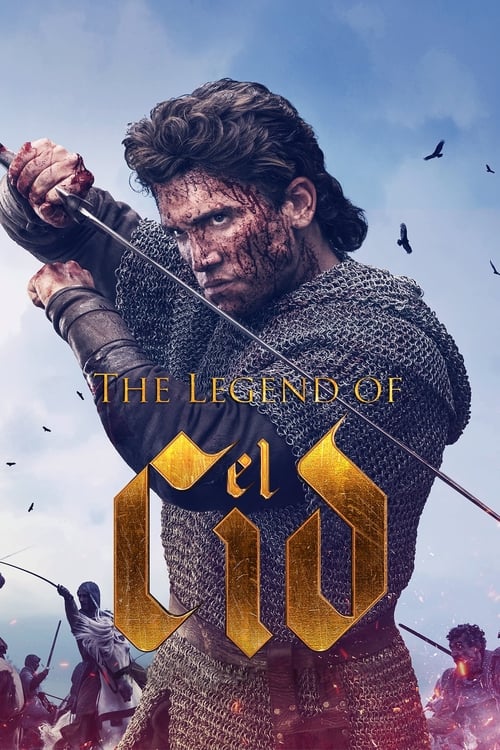
Violence and Battles: The series features numerous battle scenes that include sword fighting, bloodshed, and the depiction of war. These scenes can be intense and graphic, showcasing the brutality of medieval combat.
-
Death and Betrayal: Characters face betrayal, and there are moments of significant emotional distress related to loss and death. The impact of these events on the characters can be heavy and may be upsetting for some viewers.
-
Political Intrigue: The show delves into themes of power struggles, manipulation, and treachery, which may be complex and difficult for younger viewers to fully understand.
-
Mature Themes: There are underlying themes of loyalty, honor, and sacrifice that are explored in depth, which may resonate differently with children compared to adult audiences.
-
Emotional Turmoil: Characters experience significant emotional challenges, including grief, anger, and moral dilemmas, which may be intense for sensitive viewers.
Overall, while the series is rich in storytelling and character development, its mature themes and depictions of violence may make it less suitable for a family-friendly viewing experience.









