











Popular
What motivates the main character, Keyaru, to seek revenge against those who wronged him?
How does Keyaru's ability to heal impact his relationships with other characters?
What role does the character of Flare play in Keyaru's journey?
How does Keyaru's relationship with the character of Setsuna evolve throughout the series?
What are the consequences of Keyaru's actions as he seeks revenge on his enemies?
Should I watch it?
Ask Your Own Question

What is the plot?
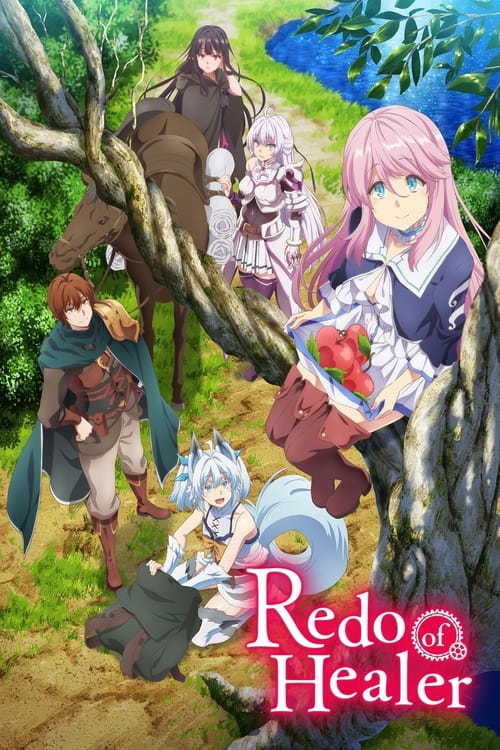
The story begins with Keyaru, a young healer in a fantasy world, who is subjected to brutal treatment by his fellow adventurers. He is part of a party that includes the powerful warrior, Blade, the mage, Kureha, and the archer, Setsuna. Keyaru is forced to use his healing abilities to mend their wounds, but they exploit him, subjecting him to physical and sexual abuse. This torment leaves him feeling powerless and deeply traumatized.
After enduring this suffering for years, Keyaru discovers a powerful ability known as "Redo," which allows him to turn back time to a point before he was mistreated. With this newfound power, he resolves to take revenge on those who wronged him. He uses his ability to return to the moment just before he joined the adventurers, determined to change his fate.
In his new timeline, Keyaru takes a different approach. He initially pretends to be the same naive healer, but he secretly plots his revenge. He begins by gathering resources and allies, using his healing skills to gain the trust of others while manipulating situations to his advantage. He encounters a young girl named Freia, who becomes his first ally. He saves her from a group of bandits, and in return, she pledges her loyalty to him.
As Keyaru continues to build his strength, he confronts Blade, Kureha, and Setsuna. He uses his healing abilities to lure them into a false sense of security, only to turn the tables on them. In a brutal confrontation, he reveals his true power and exacts revenge on Blade, who had been the most abusive towards him. Keyaru uses his healing magic to inflict pain on Blade, showcasing the twisted nature of his revenge.
After defeating Blade, Keyaru turns his attention to Kureha and Setsuna. He manipulates Kureha into a vulnerable position, exploiting her weaknesses and ultimately breaking her spirit. He uses psychological tactics to make her feel guilty for her past actions, leading her to submit to him. Setsuna, on the other hand, is more resistant, but Keyaru manages to overpower her through sheer force and cunning.
With his former tormentors subdued, Keyaru begins to reshape his life. He takes control of the adventurer's guild and starts to build a new party, one that is loyal to him and respects his power. He recruits new members, including a powerful warrior named Ero, who becomes one of his closest allies. Together, they embark on quests that further solidify Keyaru's reputation as a formidable healer and adventurer.
As Keyaru's power grows, he also grapples with the moral implications of his actions. He struggles with the darkness within him, questioning whether he has become the monster he sought to destroy. Despite this internal conflict, he continues to pursue his goals, driven by a desire for revenge and a need to assert his dominance in a world that once victimized him.
The climax of the story occurs when Keyaru confronts the higher powers of the world, including the royal family and other influential figures. He reveals the corruption and abuse of power that exists within the kingdom, using his position to challenge the status quo. This confrontation leads to a series of battles, where Keyaru showcases his healing abilities in combat, turning the tide in his favor.
In the final moments of the series, Keyaru reflects on his journey and the choices he has made. He acknowledges the pain he has caused others, but he also recognizes the strength he has gained. The story concludes with Keyaru standing at the precipice of his new life, having transformed from a victim into a powerful figure in his own right, ready to face whatever challenges lie ahead.

What is the ending?
In the ending of "Redo of Healer," Keyaru, having fully embraced his powers and his desire for revenge, confronts the remaining characters who have wronged him. He uses his healing abilities to manipulate and control them, ultimately achieving his goal of retribution. The series concludes with Keyaru asserting his dominance and establishing a new path for himself, leaving behind the pain of his past.
As the final episodes unfold, we see Keyaru, now fully in control of his abilities and his destiny, standing at the precipice of his revenge. The atmosphere is thick with tension as he prepares to confront those who have caused him immense suffering.
Scene 1: Keyaru stands in a dimly lit chamber, the remnants of his past haunting him. He reflects on the torment he endured at the hands of the Hero Party, particularly the betrayal by Flare, the princess who once held power over him. His eyes burn with determination as he recalls the moments of pain, fueling his resolve to take back what was stolen from him.
Scene 2: The confrontation begins as Keyaru faces Flare, who is now vulnerable and stripped of her former glory. The room is filled with an eerie silence, punctuated only by the sound of their breathing. Keyaru, with a cold demeanor, reveals the extent of his powers, showcasing his ability to heal and harm at will. Flare's expression shifts from arrogance to fear as she realizes the depth of his transformation.
Scene 3: Keyaru uses his healing abilities not just to mend wounds but to inflict psychological torment. He forces Flare to relive her worst memories, a twisted form of revenge that highlights his mastery over her fate. The emotional weight of the scene is palpable as Flare's bravado crumbles, leaving her exposed and vulnerable.
Scene 4: As the confrontation escalates, Keyaru also deals with the other members of the Hero Party. Each encounter is marked by a blend of violence and healing, as he exacts his revenge in a way that is both brutal and methodical. The visuals are striking, with blood and tears intermingling, symbolizing the complex nature of his retribution.
Scene 5: In the climax, Keyaru stands triumphant, having dismantled the power structures that once oppressed him. He looks out over the remnants of his enemies, a mix of satisfaction and emptiness washing over him. The weight of his actions begins to settle in, and he contemplates the future that lies ahead.
Scene 6: The series concludes with Keyaru asserting his independence. He has transformed from a victim into a powerful figure, but the cost of his revenge is evident in his demeanor. He walks away from the ruins of his past, leaving behind the characters who once tormented him. The final shot lingers on his face, a mixture of triumph and uncertainty, as he steps into a new chapter of his life.
In the end, Keyaru's journey is one of transformation and vengeance. Flare, once a symbol of his suffering, is left broken, while Keyaru emerges as a complex character, shaped by his experiences but also burdened by the choices he has made. The fate of the other characters serves to highlight the consequences of their actions, ultimately leading to a resolution that is both dark and thought-provoking.
Is there a post-credit scene?
In the anime "Redo of Healer," there is no post-credit scene following the episodes. The series concludes without any additional content after the credits roll. The focus remains on the main narrative and character arcs throughout the episodes, culminating in the resolution of key plot points without extending into a post-credit sequence. The absence of such scenes allows the story to maintain its intensity and emotional weight, leaving viewers to reflect on the events that transpired.
What motivates the main character, Keyaru, to seek revenge against those who wronged him?
Keyaru, initially a healer, is driven by the trauma and suffering inflicted upon him by his captors, particularly by the hero, Kureha, and the other members of the party. His experiences of betrayal, abuse, and exploitation fuel his desire for revenge, leading him to use his healing abilities not just to help others, but to inflict pain on those who harmed him.
How does Keyaru's ability to heal impact his relationships with other characters?
Keyaru's healing ability is a double-edged sword; while it allows him to save lives and gain allies, it also becomes a tool for manipulation and revenge. His relationships are complex, as he often uses his powers to gain trust, but his underlying motives create tension and conflict, especially with characters like Kureha, who initially sees him as a subordinate.
What role does the character of Flare play in Keyaru's journey?
Flare, a noblewoman and one of Keyaru's primary antagonists, embodies the cruelty and betrayal he faces. Her actions, including the torture and humiliation of Keyaru, serve as a catalyst for his transformation. As he seeks revenge, Flare becomes a focal point of his plans, representing the embodiment of his suffering and the target of his retribution.
How does Keyaru's relationship with the character of Setsuna evolve throughout the series?
Setsuna, a beast girl who initially serves as a slave, becomes one of Keyaru's closest allies. Their relationship evolves from one of mutual exploitation to a deeper bond based on shared trauma and understanding. Keyaru's treatment of Setsuna contrasts with his past experiences, as he begins to genuinely care for her, showcasing his growth and the complexity of his character.
What are the consequences of Keyaru's actions as he seeks revenge on his enemies?
As Keyaru enacts his revenge, the consequences ripple through the world around him. His actions lead to significant changes in the power dynamics among the characters, resulting in chaos and destruction. Keyaru's quest for vengeance often leaves a trail of suffering, forcing him to confront the moral implications of his choices and the impact on those he cares about.
Is this family friendly?
"Redo of Healer" is not family-friendly and contains numerous potentially objectionable or upsetting scenes and aspects that may be distressing for children or sensitive viewers. Here are some key elements:
-
Graphic Violence: The series features intense and explicit scenes of violence, including torture and brutal combat, which can be disturbing.
-
Sexual Content: There are numerous scenes depicting sexual assault, exploitation, and non-consensual acts, which are central to the plot and can be highly triggering.
-
Themes of Revenge and Trauma: The protagonist's journey is heavily focused on themes of revenge, trauma, and the psychological impact of abuse, which may be unsettling.
-
Dark Themes: The narrative explores dark themes such as betrayal, manipulation, and the moral ambiguity of the characters, which can be heavy and complex.
-
Emotional Distress: Characters experience significant emotional turmoil, including despair, humiliation, and suffering, which may be upsetting to viewers.
Overall, the content is explicit and intended for mature audiences, making it unsuitable for children or those who are sensitive to such themes.









