












Popular
How does the theme of betrayal manifest in the relationships between characters?
What motivates Massimo Ruggero to take risks in his career at the investment bank?
How does the relationship between Massimo and Dominic evolve throughout the series?
What role does the character of Sofia play in Massimo's life and decisions?
What are the key events that lead to the financial crisis depicted in the series?
Should I watch it?
Ask Your Own Question

What is the plot?
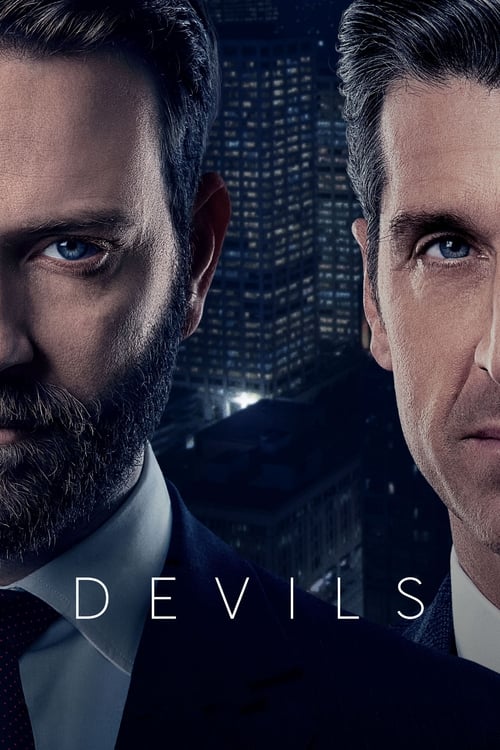
In the bustling world of finance, the story begins with Massimo Ruggero, a talented and ambitious trader at the investment bank NYL. He is portrayed as a charismatic figure, deeply immersed in the high-stakes environment of the trading floor. Massimo is driven by a desire to prove himself and climb the corporate ladder. His mentor, Dominic Morgan, a powerful and enigmatic figure, takes a keen interest in Massimo's career, offering him guidance and opportunities.
As the narrative unfolds, Massimo is introduced to a high-stakes deal involving a major investment in a tech company. He is excited about the potential profits and the chance to impress Dominic. However, the deal is complicated by the presence of a rival firm, led by the ruthless and cunning figure, the CEO of a competing bank. Tensions rise as Massimo navigates the cutthroat world of finance, where loyalty is tested, and betrayal lurks around every corner.
Massimo's personal life is also explored, particularly his relationship with his girlfriend, Sofia. Their relationship is strained due to Massimo's obsessive dedication to his work. Sofia expresses her concerns about Massimo's priorities, but he brushes them off, believing that success in his career will ultimately lead to a better life for them both. This internal conflict between his professional ambitions and personal relationships becomes a recurring theme throughout the series.
As the plot progresses, Massimo discovers that Dominic has been involved in shady dealings, including insider trading. This revelation shakes Massimo's faith in his mentor and forces him to confront the moral implications of their actions. Despite his initial admiration for Dominic, Massimo begins to question whether he can continue to work under someone who operates outside the law. This internal struggle intensifies as Massimo grapples with the consequences of his choices.
The stakes escalate when Massimo is drawn into a web of conspiracy involving powerful financial players. He learns that a significant financial crisis is looming, orchestrated by those in power to manipulate the market for their gain. Massimo realizes that he must choose between loyalty to Dominic and his own ethical standards. This decision weighs heavily on him, leading to sleepless nights and moments of deep introspection.
In a pivotal scene, Massimo confronts Dominic about the unethical practices within the firm. Dominic, charismatic and persuasive, tries to convince Massimo that the ends justify the means. He argues that in the world of finance, morality is a luxury that only the weak can afford. This confrontation marks a turning point for Massimo, as he begins to see the darker side of the industry he has chosen to be a part of.
As the financial crisis unfolds, Massimo finds himself at a crossroads. He must decide whether to expose Dominic's illegal activities or to protect his own career. The pressure mounts as he realizes that his actions could have far-reaching consequences, not only for himself but for the entire financial system. This moral dilemma drives the narrative forward, creating a sense of urgency and tension.
In a dramatic twist, Massimo uncovers evidence that implicates Dominic in a larger conspiracy involving international players. This discovery puts him in grave danger, as those involved will stop at nothing to protect their interests. Massimo's life is threatened, and he must navigate a treacherous landscape filled with deceit and betrayal. The stakes have never been higher, and he must rely on his instincts and intelligence to survive.
As the climax approaches, Massimo makes a bold decision to go public with the information he has gathered. He contacts a journalist, hoping to expose the corruption within the financial industry. This act of defiance puts him at odds with Dominic and his powerful allies, leading to a tense showdown. The confrontation is fraught with emotion, as Massimo faces the man who once mentored him, now turned adversary.
In the final act, the fallout from Massimo's decision reverberates throughout the financial world. The scandal breaks, leading to arrests and a significant shake-up in the industry. Massimo's actions have far-reaching implications, and he must come to terms with the consequences of his choices. The series concludes with Massimo reflecting on his journey, the sacrifices he made, and the person he has become in the process. The emotional weight of his decisions lingers, leaving a lasting impact on both him and the audience.





What is the ending?
In the ending of "Devils," Massimo Ruggero confronts the truth about his mentor, Dominic Morgan, and the web of deceit surrounding them. The climax reveals the extent of betrayal and manipulation, leading to a final showdown. Massimo ultimately takes control of the situation, leading to a resolution that sees him stepping into a new role, while Dominic faces the consequences of his actions.
As the final episodes unfold, the tension escalates. Massimo Ruggero, played by Alessandro Borghi, finds himself in a precarious position as he navigates the treacherous waters of high finance and personal betrayal. The stakes are raised when he discovers that Dominic Morgan, portrayed by Patrick Dempsey, has been orchestrating events behind the scenes, manipulating not only the market but also the people around him.
In a pivotal scene, Massimo confronts Dominic in a high-stakes meeting. The atmosphere is charged with tension as they exchange veiled threats and accusations. Massimo's internal struggle is palpable; he grapples with feelings of loyalty to his mentor and the realization that Dominic has betrayed him. The camera captures the intensity of their expressions, highlighting the emotional weight of their confrontation.
As the plot thickens, Massimo uncovers evidence of Dominic's involvement in a conspiracy that threatens to bring down their financial institution. This revelation is a turning point for Massimo, who must decide whether to expose Dominic or protect his own interests. The internal conflict is evident as he weighs the consequences of his choices, torn between ambition and morality.
In the climax, Massimo gathers his allies and prepares to confront Dominic. The scene is set in a sleek, modern boardroom, where the power dynamics shift dramatically. Massimo's determination is evident as he stands firm against Dominic's manipulative tactics. The tension in the room is palpable, with each character's motivations laid bare. Massimo's resolve to take control of his destiny shines through as he challenges Dominic's authority.
The final confrontation culminates in a dramatic showdown, where Massimo reveals the truth to the board and the public. The fallout is immediate, with Dominic's empire crumbling around him. The emotional weight of the moment is captured in close-ups of Massimo's face, reflecting a mix of triumph and sorrow. He has won the battle but at a significant personal cost.
As the dust settles, we see the fates of the main characters unfold. Massimo emerges as a new leader, having taken a stand against corruption and manipulation. His journey from a loyal protégé to a powerful figure in his own right is complete. Dominic, on the other hand, faces the consequences of his actions, his empire dismantled and his reputation in ruins. The final scenes depict him in isolation, a stark contrast to the power he once wielded.
In the closing moments, Massimo reflects on his journey, the sacrifices made, and the lessons learned. The camera pans out, leaving viewers with a sense of closure as Massimo steps into his new role, ready to face the challenges ahead with a newfound sense of purpose. The story concludes, emphasizing themes of ambition, betrayal, and the complexities of human relationships in the cutthroat world of finance.
Is there a post-credit scene?
In the TV show "Devils," produced in 2020, there is no post-credit scene. The series concludes its narrative without any additional scenes after the credits roll. The final episode wraps up the intense and intricate storyline surrounding the financial world, power struggles, and personal betrayals, leaving viewers with a sense of closure regarding the fates of the main characters. The focus remains on the resolution of the central conflict rather than teasing future developments or additional content.
How does the theme of betrayal manifest in the relationships between characters?
Betrayal is a recurring theme in 'Devils,' particularly in the relationships between Massimo, Dominic, and other key characters. Massimo feels betrayed by Dominic as he uncovers the truth about his mentor's manipulative tactics. Additionally, alliances shift throughout the series, with characters like the ambitious banker, who initially appear to be allies, revealing ulterior motives that lead to personal and professional betrayals, heightening the tension and drama.
What motivates Massimo Ruggero to take risks in his career at the investment bank?
Massimo Ruggero, played by Alessandro Borghi, is driven by a combination of ambition, a desire for power, and a need to prove himself. His background, having come from a modest upbringing, fuels his determination to succeed in the high-stakes world of finance. He is also motivated by personal relationships, particularly his complex dynamic with his mentor, Dominic Morgan, which oscillates between admiration and rivalry.
How does the relationship between Massimo and Dominic evolve throughout the series?
The relationship between Massimo and Dominic Morgan, portrayed by Patrick Dempsey, is central to the narrative. Initially, Massimo views Dominic as a father figure and mentor, but as the series progresses, their relationship becomes increasingly strained. Massimo's ambition leads him to question Dominic's methods and ethics, particularly as he uncovers the darker aspects of Dominic's character and the manipulative games he plays in the financial world.
What role does the character of Sofia play in Massimo's life and decisions?
Sofia, played by Laia Costa, serves as both a love interest and a moral compass for Massimo. Their relationship is marked by passion and conflict, as Sofia often challenges Massimo's choices and the ethical implications of his work in finance. Her presence in his life forces him to confront his values and the consequences of his ambition, adding emotional depth to his character arc.
What are the key events that lead to the financial crisis depicted in the series?
The series intricately weaves a narrative around a looming financial crisis, driven by corporate greed and unethical practices. Key events include Massimo's discovery of insider trading, the manipulation of stock prices, and the involvement of powerful global players. These elements create a tense atmosphere as Massimo navigates the treacherous waters of high finance, ultimately leading to a catastrophic fallout that impacts both his career and personal life.
Is this family friendly?
"Devils," produced in 2020, is not considered family-friendly due to its mature themes and content. The show delves into the high-stakes world of finance, corporate intrigue, and personal betrayal, which may not be suitable for younger audiences.
Potentially objectionable or upsetting aspects include:
-
Violence and Threats: There are scenes that depict aggressive confrontations, threats, and the consequences of corporate rivalries, which may be intense for sensitive viewers.
-
Mature Themes: The series explores themes of greed, manipulation, and moral ambiguity, which can be complex and unsettling.
-
Sexual Content: There are instances of sexual situations and suggestive content that may not be appropriate for children.
-
Substance Use: Characters are shown engaging in drinking and smoking, which may be concerning for younger viewers.
-
Emotional Turmoil: The characters experience significant emotional distress, betrayal, and moral dilemmas, which could be distressing for sensitive individuals.
Overall, the show's tone and subject matter are geared towards an adult audience, making it unsuitable for children.








