













Popular
What is Hina's true identity and her role in the story?
How does Yota's relationship with Hina develop throughout the series?
What are the significant events that lead to the climax of the story?
What role do Yota's friends play in the story, particularly in relation to Hina?
How does Hina's ability to predict the future affect the characters' decisions and actions?
Should I watch it?
Ask Your Own Question

What is the plot?
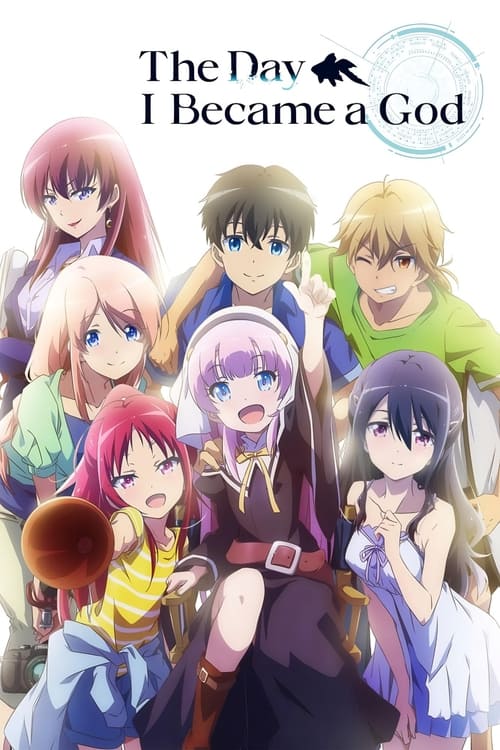
The story begins with a high school student named Yota Narukami, who is preparing for his final summer vacation before graduation. He is a typical teenager, focused on his studies and spending time with friends. One day, while he is at home, he encounters a mysterious girl named Hina Sato, who suddenly appears in his room. Hina claims to be a god and reveals that she has the ability to predict the future, specifically that the world will end in 30 days.
Initially skeptical, Yota is drawn into Hina's eccentric personality and her childlike wonder. Hina's predictions are bizarre yet accurate, and she begins to demonstrate her powers by revealing small events that happen around them. As they spend time together, Yota becomes more convinced of her abilities and starts to embrace the idea of her being a god. Hina's carefree attitude contrasts sharply with Yota's more serious demeanor, leading to a budding friendship.
As the days pass, Hina and Yota embark on various adventures, trying to make the most of the time they have left. They visit the beach, where Hina's playful nature shines through as she enjoys the sun and the ocean. Yota, while initially hesitant, begins to let loose and enjoy life more, influenced by Hina's perspective. Their bond deepens, and Yota starts to open up about his own fears and dreams for the future.
However, the looming threat of the world's end weighs heavily on Yota. He grapples with the idea of mortality and what it means to live fully in the face of impending doom. Hina encourages him to cherish every moment, and they create a list of things they want to do together before the end. This list includes simple joys like eating ice cream and watching fireworks, highlighting the importance of small experiences.
As the deadline approaches, Hina's predictions become more dire. She reveals that the end of the world is not just a metaphor but a real event that will occur due to a catastrophic event. Yota struggles with the reality of Hina's claims, torn between wanting to believe her and the fear of losing everything. He begins to take action, trying to find ways to prevent the disaster she foretells.
In a pivotal moment, Yota confronts Hina about her powers and the nature of her predictions. He questions whether she can truly change the future or if they are simply destined to follow a predetermined path. Hina, in her innocence, insists that she is a god and that her role is to guide people, not to change fate. This conversation reveals the depth of Yota's internal conflict and his desire to protect those he cares about.
As the final days approach, Yota and Hina's relationship becomes more complex. Yota starts to realize that he has developed feelings for Hina, but he is also aware that their time together is limited. Hina, on the other hand, struggles with her own emotions, knowing that she must eventually leave Yota and fulfill her role as a god. This tension creates a bittersweet atmosphere as they continue to enjoy their time together.
In the climax of the story, the predicted disaster occurs, and Yota is faced with the reality of Hina's prophecy. He witnesses the chaos and destruction that unfolds, and in a desperate attempt to save Hina and those he loves, he makes a significant decision. Yota chooses to confront the source of the disaster, believing that he can change the outcome. This decision leads to a dramatic confrontation where Yota's determination is put to the test.
During this confrontation, Yota's resolve is challenged, and he must confront his own fears and insecurities. Hina, witnessing Yota's bravery, realizes the depth of their connection and the impact he has had on her life. In a moment of clarity, Hina understands that her role as a god is not just to predict the future but to inspire hope and courage in others.
As the story reaches its conclusion, Yota's actions lead to a resolution of the disaster, but it comes at a cost. Hina's powers are diminished, and she must ultimately fulfill her destiny as a god. In a poignant farewell, Hina expresses her gratitude to Yota for the time they spent together and the lessons they learned from each other. Yota, heartbroken yet grateful, acknowledges the impact Hina has had on his life.
In the final scenes, Hina disappears, leaving Yota with a sense of loss but also a newfound appreciation for life. He reflects on their adventures and the importance of cherishing every moment. The story ends with Yota looking towards the future, carrying Hina's spirit with him as he moves forward, forever changed by their time together.


What is the ending?
In the ending of "The Day I Became a God," Hina's prediction of the world's end comes true, leading to a poignant farewell between her and Youtarou. Hina disappears, leaving Youtarou to grapple with the loss and the memories they shared. The story concludes with Youtarou finding a way to move forward, cherishing the moments he had with Hina.
As the final episodes unfold, the atmosphere is thick with tension and emotion. The world is on the brink of collapse as Hina's prophecy of the end draws near. The sun hangs low in the sky, casting a warm yet foreboding glow over the town, a stark contrast to the turmoil brewing within Youtarou and Hina.
In the first scene, Youtarou stands on the rooftop of his school, gazing out at the horizon. His heart is heavy with the knowledge that Hina's time is running out. He reflects on their journey together, the laughter, the tears, and the moments that have shaped their bond. Hina, with her bright smile and carefree spirit, has brought light into his life, and the thought of losing her is unbearable.
As the day progresses, Hina and Youtarou spend their final moments together, visiting places that hold significance in their relationship. They walk through the cherry blossom trees, the petals swirling around them like memories caught in the wind. Hina's laughter rings out, but there is an underlying sadness in her eyes. She knows what is coming, yet she tries to make the most of their time together.
In a particularly emotional scene, they sit on a park bench, watching the sunset. Hina turns to Youtarou, her expression serious yet tender. She tells him that she will always be with him, even if she is no longer physically present. Youtarou struggles to hold back his tears, feeling the weight of her words. He wants to believe her, but the reality of the situation looms over them like a dark cloud.
As the clock ticks down to the predicted end, the world around them begins to change. People are panicking, and chaos ensues as the prophecy unfolds. Hina and Youtarou find themselves in the midst of it all, trying to hold onto each other amidst the chaos. Hina's powers begin to wane, and she starts to fade away, her form becoming translucent as she struggles to maintain her presence.
In the climactic moment, Hina tells Youtarou that she loves him, and with those words, she fully disappears, leaving him alone in a world that feels empty without her. The sky darkens, and the world trembles as the end approaches, but Youtarou stands firm, holding onto the memories of Hina. He realizes that while she may be gone, the impact she had on his life will remain forever.
In the final scenes, we see Youtarou a few months later, standing in front of a cherry blossom tree, now in full bloom. He smiles softly, a bittersweet expression on his face. He has learned to cherish the moments they shared, and though he feels the ache of loss, he understands that Hina's spirit lives on in his heart. The camera pans out, showing the beauty of the world around him, a reminder that life continues even in the face of loss.
The story concludes with Youtarou looking towards the future, ready to embrace life with the lessons he learned from Hina. The fate of Hina is that she becomes a part of the universe, her essence intertwined with the memories of those she touched. Youtarou, while heartbroken, finds a sense of peace, knowing that love transcends even the boundaries of life and death.
Is there a post-credit scene?
Yes, "The Day I Became a God" features a post-credit scene that adds a poignant touch to the series.
As the credits roll, the scene opens with a serene view of a beach at sunset, the sky painted in hues of orange and pink. The sound of gentle waves lapping against the shore fills the air, creating a peaceful atmosphere. The camera pans to reveal Hina, the enigmatic girl who declared herself a god, standing at the water's edge. She gazes out at the horizon, her expression a mix of nostalgia and hope.
In this moment, Hina reflects on her time spent with Yota and the impact she had on his life. Her thoughts are filled with warmth as she recalls the laughter, the challenges, and the bittersweet moments they shared. The scene captures her internal struggle, knowing that her time on Earth is limited, yet cherishing the connections she made.
As the sun dips below the horizon, Hina turns her gaze back to the beach, where she sees Yota approaching. He walks towards her, a soft smile on his face, embodying a sense of understanding and acceptance. The two share a moment of silence, their bond palpable despite the weight of impending separation.
The scene closes with Hina whispering a heartfelt message to Yota, expressing her gratitude and the importance of living life to the fullest. The camera slowly zooms out, capturing the vastness of the ocean and the sky, symbolizing the infinite possibilities that lie ahead for both characters, even as they face the unknown.
This post-credit scene encapsulates the themes of connection, loss, and the beauty of fleeting moments, leaving viewers with a sense of bittersweet closure and hope for the future.
What is Hina's true identity and her role in the story?
Hina Sato is a mysterious girl who suddenly appears in front of Yota Narukami, claiming to be a god. She possesses the ability to predict the future, specifically stating that the world will end in 30 days. Her character is central to the narrative as she navigates her powers and the emotional connections she forms with Yota and others.
How does Yota's relationship with Hina develop throughout the series?
Yota initially struggles to accept Hina's claims and the impending doom she predicts. However, as they spend time together, their bond deepens. Yota becomes protective of Hina, and he is motivated by a desire to make her happy in the limited time they have left, leading to moments of joy, laughter, and ultimately, heartache.
What are the significant events that lead to the climax of the story?
As the series progresses, Yota and Hina engage in various activities to create lasting memories, including participating in a school festival and helping others. Tension builds as the predicted end of the world approaches, leading to emotional confrontations and revelations about Hina's true nature and the implications of her powers.
What role do Yota's friends play in the story, particularly in relation to Hina?
Yota's friends, including his childhood friend and love interest, play crucial roles in supporting him and Hina. They provide comic relief, emotional support, and help Yota confront his feelings. Their interactions highlight the themes of friendship and the impact of impending loss, as they all grapple with the reality of Hina's predictions.
How does Hina's ability to predict the future affect the characters' decisions and actions?
Hina's foresight creates a sense of urgency and desperation among the characters. Yota, in particular, is driven to make the most of their remaining time together, leading to both selfless acts and moments of conflict. The knowledge of the impending end influences their choices, pushing them to confront their feelings and relationships in profound ways.
Is this family friendly?
"The Day I Became a God" is generally considered family-friendly, but it does contain some themes and scenes that may be sensitive for children or those who are easily upset. Here are a few aspects to consider:
-
Existential Themes: The show explores deep themes such as fate, the meaning of life, and the concept of death, which may be heavy for younger viewers.
-
Emotional Struggles: Characters experience significant emotional turmoil, including feelings of despair, loneliness, and the weight of impending doom, which could be distressing.
-
Mature Situations: There are moments that touch on mature topics, such as the impact of loss and the struggles of adolescence, which may resonate differently with sensitive viewers.
-
Tension and Conflict: Some scenes involve interpersonal conflict and tension that could be intense, showcasing characters in distressing situations.
-
Visual Imagery: While not graphic, there are scenes that depict the consequences of the impending apocalypse, which may be unsettling for some.
Overall, while the series has a whimsical and light-hearted tone at times, its underlying themes and emotional depth may require parental guidance for younger audiences.