
























Popular
What are the key events that lead to the climax of the series?
What is the significance of the raspberry farm in the story?
How does the relationship between Camille and Julien evolve throughout the series?
What role does the character of Margaux play in the dynamics of the group?
How does the character of Pierre cope with the challenges of running the farm?
Should I watch it?
Ask Your Own Question

What is the plot?
In the small, picturesque village of Saint-Laurent, the story begins with the arrival of a young woman named Camille, who returns to her childhood home after several years away. She is greeted by her mother, Marie, who runs a local raspberry farm. The farm is struggling financially, and Marie is worried about its future. Camille feels a mix of nostalgia and guilt for leaving her family behind, and she is determined to help her mother save the farm.
As Camille settles back into village life, she reconnects with her childhood friend, Lucas, who has become a local journalist. Lucas is passionate about uncovering the truth behind the village's secrets, particularly the mysterious disappearance of a local boy years ago. Camille is drawn into Lucas's investigation, feeling a sense of duty to help him while also grappling with her own unresolved feelings for him.
One day, while working on the farm, Camille discovers an old journal belonging to her late father, who had been a passionate farmer. The journal contains entries about the raspberry farm's history and hints at a hidden treasure buried somewhere on the property. This discovery ignites a spark of hope in Camille, and she shares the news with Lucas, who becomes excited about the potential story and the adventure it could lead to.
As they search for clues in the journal, Camille and Lucas uncover a series of riddles that lead them deeper into the history of the farm and the village. Their investigation brings them closer together, and they share moments of laughter and vulnerability, revealing their past feelings for each other. However, tensions rise when they encounter resistance from some villagers who are wary of digging into the past.
One evening, while exploring the woods near the farm, Camille and Lucas stumble upon an old, abandoned cabin. Inside, they find remnants of a life once lived, including photographs and personal belongings that hint at the boy's disappearance. This discovery intensifies their investigation, but it also raises questions about the village's dark history and the secrets that some residents are desperate to keep hidden.
As they delve deeper, Camille begins to receive anonymous threats warning her to stop her investigation. This escalates her determination to uncover the truth, but it also puts her and Lucas in danger. They decide to confront the villagers who seem to be hiding something, leading to a tense town meeting where accusations fly, and old wounds are reopened.
During the meeting, Camille stands up to the villagers, revealing her findings and demanding answers. The confrontation leads to a shocking revelation: the boy's disappearance was linked to a tragic accident involving a local family, and the community had covered it up to protect their reputation. This revelation causes a rift in the village, with some supporting Camille and Lucas while others vehemently oppose them.
In the aftermath of the meeting, Camille's relationship with her mother becomes strained. Marie feels betrayed by Camille's decision to expose the village's secrets, fearing it will bring shame to their family. Camille, feeling torn between her loyalty to her mother and her quest for truth, struggles with her emotions and the weight of her choices.
As the raspberry harvest approaches, Camille and Lucas work tirelessly to save the farm, using the newfound attention from their investigation to attract customers. They organize a community event to celebrate the harvest, hoping to unite the village and heal old wounds. However, tensions remain high, and not everyone is willing to forgive and forget.
On the day of the harvest festival, the atmosphere is charged with anticipation. Camille and Lucas present their findings to the community, urging them to acknowledge the past and move forward together. The event becomes a turning point, as some villagers begin to reconcile, while others remain resistant.
In a climactic moment, Camille confronts the individual responsible for the threats against her, leading to a tense confrontation that reveals the depth of the village's secrets. This confrontation forces the community to face their past and consider the importance of honesty and healing.
As the season changes, Camille and Lucas's bond deepens, and they finally acknowledge their feelings for each other. They share a heartfelt moment under the stars, solidifying their connection and commitment to each other and the future of the farm.
The story concludes with the raspberry farm thriving, the community beginning to heal, and Camille finding her place in the village once again. She embraces her role as a farmer and a storyteller, determined to honor her father's legacy while forging her own path alongside Lucas.








What is the ending?
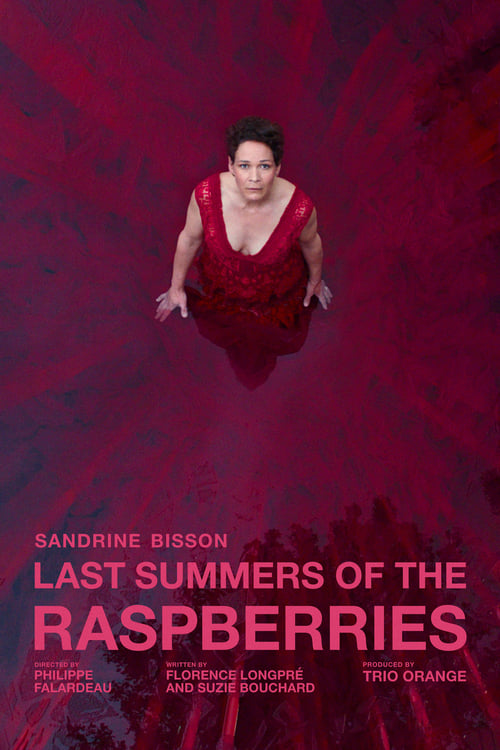
In the ending of "Le temps des framboises," the main characters confront their pasts and make pivotal decisions that shape their futures. The story culminates in a heartfelt reunion, where they reconcile their differences and embrace the changes in their lives, leading to a sense of closure and hope.
As the final episode unfolds, the sun rises over the picturesque countryside, casting a warm glow on the raspberry fields that have been central to the characters' lives. The camera pans over the lush landscape, symbolizing both the beauty and the complexity of their intertwined stories.
Scene 1: The Reunion The main characters, Camille and Julien, stand at the edge of the raspberry fields, their expressions a mix of apprehension and hope. They have not seen each other since their last confrontation, where unresolved feelings lingered in the air. As they approach each other, the tension is palpable. Camille, with tears in her eyes, speaks first, expressing her regrets and the weight of their shared history. Julien listens intently, his own emotions surfacing as he recalls the moments that brought them together and the misunderstandings that drove them apart.
Scene 2: The Confession In a quiet moment, Camille reveals her struggles with her identity and the pressure she felt to conform to expectations. Julien, in turn, shares his own vulnerabilities, admitting how he has been haunted by the fear of failure. This exchange is raw and honest, showcasing their growth as individuals. The camera captures their expressions, highlighting the relief and understanding that begins to bridge the gap between them.
Scene 3: The Decision As they walk through the raspberry fields, they discuss their dreams and aspirations. Camille expresses her desire to pursue her passion for art, while Julien contemplates taking over the family farm. They realize that their paths may diverge, but they can support each other in their journeys. This moment signifies a turning point, where they choose to prioritize their individual happiness over their past grievances.
Scene 4: The Farewell The day culminates in a bittersweet farewell. Camille prepares to leave for the city, her heart heavy yet hopeful. Julien hands her a basket of freshly picked raspberries, a symbol of their shared memories and the sweetness of new beginnings. They embrace tightly, both aware that this moment marks a significant change in their lives. As Camille drives away, the camera lingers on Julien, who watches her go with a mixture of pride and sadness.
Scene 5: The New Beginnings In the final scenes, we see Camille thriving in her new life as an artist, her work inspired by the beauty of the raspberry fields. Julien, on the other hand, is shown revitalizing the farm, incorporating sustainable practices and inviting the community to participate in the harvest. The closing shots depict the vibrant raspberry fields, now a symbol of growth, resilience, and the enduring connections that bind them.
The series concludes with a sense of hope and renewal, emphasizing the importance of self-discovery, the power of forgiveness, and the beauty of moving forward while cherishing the past. Each character has found their own path, illustrating the theme that life, much like the seasons, is about change and the courage to embrace it.
Is there a post-credit scene?
In "Le temps des framboises," there is indeed a post-credit scene that adds an intriguing layer to the narrative.
As the credits roll, the screen fades to black before transitioning to a serene, sunlit raspberry field, the vibrant red fruit glistening in the late afternoon sun. The camera slowly pans across the field, capturing the gentle rustle of leaves in the breeze, evoking a sense of peace and nostalgia.
Suddenly, the scene shifts to a close-up of a young girl, around eight years old, crouched down, her fingers delicately plucking raspberries from the bushes. Her face is a mixture of concentration and joy, reflecting the innocence of childhood. As she fills her small basket, she pauses, looking up with wide, curious eyes.
The camera then cuts to an older woman, the protagonist's grandmother, who watches from a distance, a soft smile on her face. There's a warmth in her gaze, filled with pride and a hint of longing. The grandmother's expression suggests a deep connection to the land and the memories it holds, hinting at the generational ties that bind the family to the raspberry farm.
As the girl stands up, she turns to the grandmother, holding out the basket filled with raspberries. The grandmother approaches, kneeling down to meet her at eye level. Their exchange is silent but speaks volumes; the girl's excitement and the grandmother's wisdom create a poignant moment that encapsulates the themes of legacy and the passage of time.
The scene concludes with the two of them walking hand in hand through the field, the sun setting behind them, casting a golden hue over the landscape. This final image leaves viewers with a sense of hope and continuity, suggesting that the story of the raspberries--and the family--will continue to thrive through the generations.
What are the key events that lead to the climax of the series?
The climax is built through a series of escalating tensions, including a major storm that threatens the raspberry harvest, personal betrayals among the friends, and a confrontation between Camille and Julien about their feelings. These events culminate in a dramatic showdown that forces the characters to make critical decisions about their futures and relationships.
What is the significance of the raspberry farm in the story?
The raspberry farm serves as a central symbol of the characters' connections to their past and their relationships with each other. It represents both a source of livelihood and a place of emotional turmoil, as the characters grapple with their memories and the legacy of their families.
How does the relationship between Camille and Julien evolve throughout the series?
Camille and Julien's relationship is marked by tension and unresolved feelings. Initially, they are portrayed as childhood friends with a complicated history. As the series progresses, their interactions reveal deeper emotional layers, including jealousy, longing, and the struggle to reconcile their past with their present.
What role does the character of Margaux play in the dynamics of the group?
Margaux acts as a catalyst for conflict within the group. Her arrival at the farm brings unresolved issues to the surface, particularly regarding her past with Julien. Her presence forces the other characters to confront their feelings and the choices they have made, leading to pivotal moments of growth and confrontation.
How does the character of Pierre cope with the challenges of running the farm?
Pierre is depicted as a hardworking but emotionally burdened character. He struggles with the pressures of maintaining the farm while dealing with personal loss and family expectations. His internal conflict is highlighted through scenes of him working tirelessly, often reflecting on his father's legacy and his own aspirations.
Is this family friendly?
"Le temps des framboises," produced in 2022, is a family-oriented show that primarily focuses on themes of love, family, and personal growth. However, it does contain some elements that may be considered objectionable or upsetting for children or sensitive viewers.
-
Emotional Conflict: The show features scenes of family disputes and emotional turmoil, which may be intense for younger viewers. Characters often grapple with feelings of sadness, betrayal, and loss.
-
Themes of Loss: There are moments that deal with the loss of loved ones or the impact of separation, which could be distressing for sensitive audiences.
-
Mild Language: Some characters may use mild language during heated moments, which could be inappropriate for younger children.
-
Romantic Relationships: The exploration of romantic relationships includes some mature themes, such as heartbreak and jealousy, which may not be suitable for all children.
-
Dramatic Tension: Certain scenes build significant dramatic tension, which could be unsettling for younger viewers, especially during moments of conflict or confrontation.
Overall, while "Le temps des framboises" is designed to be accessible to families, these elements may require parental guidance for younger audiences.