












Popular
What motivates the main character, Kyouko, to pursue her dream of becoming an idol?
How does the relationship between Kyouko and her fellow idol, Shiori, evolve throughout the series?
What role does the mysterious phenomenon of 'Gekidol' play in the story?
How does the character of Miku influence Kyouko's journey as an idol?
What challenges do the characters face during their performances, and how do these challenges impact their growth?
Should I watch it?
Ask Your Own Question

What is the plot?
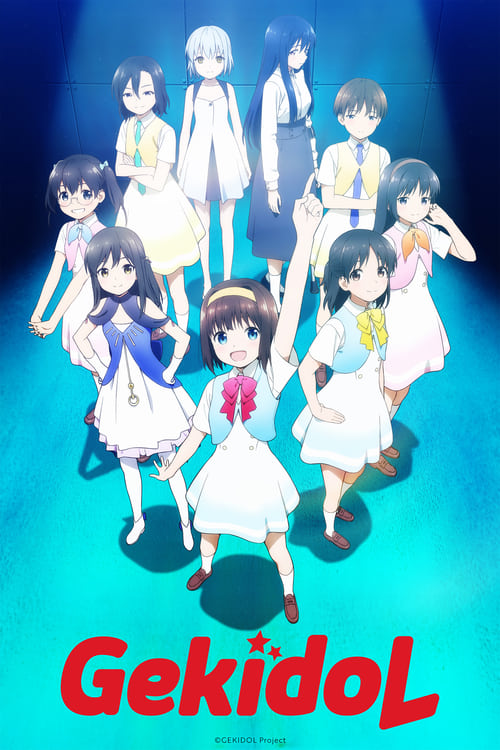
In a near-future world where live performances are enhanced by holographic technology, the story begins with a group of aspiring actresses who are part of a theater company called "Gekidol." The main character, a young woman named Kyouko, is introduced as she auditions for a role in a new play. She is passionate about acting and dreams of making it big in the entertainment industry. During the audition, Kyouko's determination shines through, and she impresses the director, who sees potential in her.
As Kyouko joins the theater company, she meets her fellow cast members, including the charismatic and confident actress, Shiori, and the shy but talented Miku. The dynamics within the group are established, showcasing the camaraderie and rivalry that exists among the actresses. They begin rehearsals for their upcoming performance, which is set to be a groundbreaking show that combines live acting with advanced holographic effects.
Tensions rise as the actresses face the pressures of the industry. Kyouko struggles with her self-doubt and the fear of not being good enough, while Shiori's competitive nature leads her to push herself and others to their limits. Miku, on the other hand, grapples with her own insecurities and the desire to be recognized for her talent. The emotional stakes are heightened as the characters confront their personal challenges and the expectations placed upon them.
As the rehearsal process continues, the company faces a series of setbacks, including technical difficulties with the holographic equipment. The director becomes increasingly frustrated, and the actresses feel the weight of the looming performance. Kyouko, determined to prove herself, takes it upon herself to help solve the technical issues, showcasing her resourcefulness and dedication to the craft.
In a pivotal moment, the actresses are given a chance to perform a preview of their show for a select audience. The performance is met with mixed reactions, and the group is left feeling disheartened. Kyouko, however, uses this experience as motivation to improve, rallying her fellow actresses to work harder and support one another. This moment solidifies the bond between the characters as they come together to overcome their challenges.
As the final performance approaches, the stakes are raised when a rival theater company announces their own show, threatening to overshadow Gekidol's debut. The actresses are faced with the reality of competition in the industry, and Kyouko's resolve is tested. She decides to confront the rival company, leading to a tense encounter where she stands up for her team and their vision.
On the night of the performance, the atmosphere is electric with anticipation. The actresses take the stage, and the show begins. The holographic effects are stunning, and the audience is captivated. However, during a critical moment in the performance, a technical glitch occurs, causing chaos on stage. Kyouko, thinking quickly, improvises and leads her fellow actresses in adapting to the situation, turning a potential disaster into a triumphant moment.
The performance concludes with a standing ovation from the audience, and the actresses are filled with a sense of accomplishment and relief. They realize that their hard work and teamwork have paid off, and they celebrate their success together. Kyouko, in particular, feels a sense of fulfillment as she embraces her passion for acting and the bonds she has formed with her fellow actresses.
In the aftermath of the performance, the theater company receives recognition and praise, opening doors for future opportunities. Kyouko reflects on her journey, acknowledging the growth she has experienced both personally and professionally. The story ends on a hopeful note, with the actresses looking forward to their next adventure in the world of theater, united by their shared experiences and dreams.







What is the ending?
In the ending of Gekidol, the story culminates in a dramatic confrontation during the final performance of the theater group, where the characters face their fears and the consequences of their choices. The main characters, including the determined and passionate actors, confront the reality of their situation, leading to a bittersweet resolution that emphasizes the importance of connection and the power of performance.
As the final act unfolds, the stage is set for a climactic performance. The atmosphere is thick with tension as the characters prepare to face not only their audience but also their personal struggles. The lead character, who has been grappling with her own insecurities and the weight of expectations, steps into the spotlight, embodying her role with a newfound confidence. The audience watches, captivated, as the lines between reality and performance blur.
In a pivotal moment, the characters confront their pasts, revealing their vulnerabilities and the sacrifices they have made for their art. The emotional weight of their experiences is palpable, and the audience is drawn into their journey. As the performance reaches its peak, the characters find strength in each other, showcasing the bonds they have formed through their shared passion for theater.
The climax of the performance is marked by a powerful scene that encapsulates the essence of their struggles. The characters, now fully embracing their roles, deliver a poignant message about resilience and the importance of pursuing one's dreams despite the obstacles. The stage lights shine brightly, illuminating their faces filled with determination and hope.
As the performance concludes, the characters take their final bows, a mix of relief and joy washing over them. They have faced their fears and emerged stronger, united by their experiences. The audience erupts in applause, a testament to the impact of their journey.
In the aftermath, the characters reflect on their growth and the relationships they have built. Each one has found a sense of purpose and belonging, having learned that the true essence of their craft lies not just in the performance itself but in the connections forged along the way. The story closes on a hopeful note, with the characters looking toward the future, ready to embrace whatever comes next, knowing they have each other to lean on.
Is there a post-credit scene?
In the anime "Gekidol," there is indeed a post-credit scene that adds an intriguing layer to the story. After the main credits roll, viewers are treated to a brief but impactful moment that features the character of Kyouko.
In this scene, Kyouko is seen in a dimly lit room, surrounded by various props and costumes from the theater productions she has been involved in. The atmosphere is heavy with nostalgia and a sense of longing. As she picks up a costume piece, her expression shifts from one of fond remembrance to a more somber realization of the challenges ahead.
The scene captures her internal struggle as she reflects on her journey in the world of theater and the emotional toll it has taken on her. The soft lighting casts shadows that dance around her, symbolizing the duality of her passion for performance and the weight of her responsibilities.
This moment serves as a poignant reminder of the sacrifices made by the characters in pursuit of their dreams, leaving the audience with a lingering sense of hope mixed with uncertainty about what lies ahead for Kyouko and her friends. The post-credit scene encapsulates the themes of ambition, friendship, and the bittersweet nature of artistic expression that permeate the series.
What motivates the main character, Kyouko, to pursue her dream of becoming an idol?
Kyouko is driven by a deep desire to connect with others and find her place in the world. Her past experiences, including the loss of her family and the emotional scars from her childhood, fuel her determination to succeed as an idol. She sees the idol industry as a way to express herself and bring joy to others, which becomes a central theme in her journey.
How does the relationship between Kyouko and her fellow idol, Shiori, evolve throughout the series?
Initially, Kyouko and Shiori have a competitive relationship, as both are vying for the spotlight in the idol group. However, as they face various challenges together, including the pressures of performances and personal struggles, their bond deepens. They begin to support each other emotionally, leading to a friendship that highlights themes of trust and collaboration.
What role does the mysterious phenomenon of 'Gekidol' play in the story?
The 'Gekidol' phenomenon serves as a catalyst for the characters' growth and the unfolding of the plot. It represents a blend of reality and fantasy, where the idols must confront their fears and insecurities. This phenomenon also introduces supernatural elements that challenge the characters, forcing them to confront their inner demons and ultimately shaping their identities as performers.
How does the character of Miku influence Kyouko's journey as an idol?
Miku serves as both a mentor and a source of inspiration for Kyouko. Her experience in the idol industry provides Kyouko with valuable insights and guidance. Miku's own struggles and triumphs resonate with Kyouko, pushing her to overcome her self-doubt and embrace her passion for performing. Miku's unwavering support becomes a crucial element in Kyouko's development.
What challenges do the characters face during their performances, and how do these challenges impact their growth?
The characters face numerous challenges during their performances, including technical difficulties, personal insecurities, and the pressure to meet audience expectations. These obstacles force them to confront their fears and work together as a team. Each challenge becomes a learning experience, helping them to grow not only as performers but also as individuals, fostering resilience and camaraderie among the group.
Is this family friendly?
"Gekidol," produced in 2021, is a series that blends elements of idol culture with a post-apocalyptic setting. While it features themes of friendship, ambition, and the pursuit of dreams, there are aspects that may be considered objectionable or upsetting for children or sensitive viewers.
-
Dark Themes: The show explores a world that has been devastated by a catastrophic event, which may be unsettling for younger audiences. The backdrop of destruction and survival can evoke feelings of despair.
-
Violence: There are scenes that depict violence, including battles and confrontations that may be intense or graphic, which could be distressing for some viewers.
-
Emotional Struggles: Characters experience significant emotional turmoil, including feelings of loss, fear, and anxiety. These themes may resonate deeply and could be upsetting for sensitive viewers.
-
Character Deaths: The series includes moments where characters face life-threatening situations, and the implications of death are present, which can be heavy for younger audiences.
-
Psychological Tension: The narrative includes elements of psychological stress and the pressure of performance, which may be difficult for some viewers to process.
Overall, while "Gekidol" has a vibrant and engaging presentation, its underlying themes and certain scenes may not be suitable for all children or sensitive individuals. Viewer discretion is advised.









