








Popular
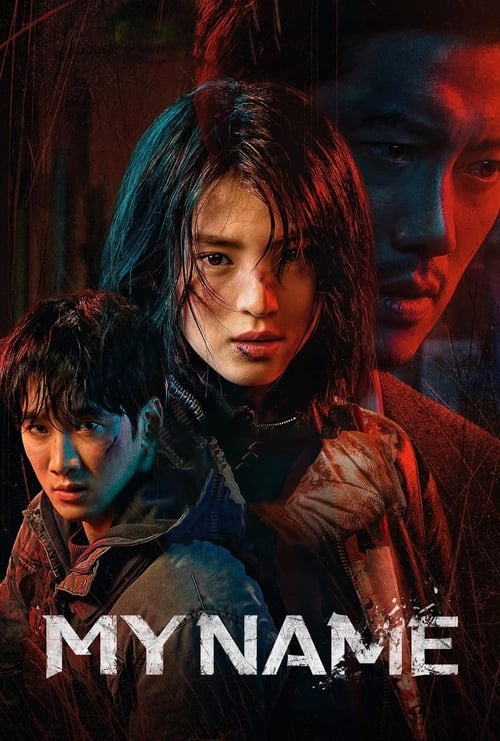
What motivates Yoon Ji-woo to seek revenge for her father's death?
How does Ji-woo's relationship with her mentor, Choi Mu-jin, evolve throughout the series?
What role does the police officer, Jeon Pil-do, play in Ji-woo's journey?
What are the key challenges Ji-woo faces while infiltrating the drug cartel?
How does Ji-woo's past influence her actions and decisions throughout the series?
Should I watch it?
Ask Your Own Question

What is the plot?
The story begins with Yoon Ji-woo, a young woman who is deeply affected by the murder of her father, a former member of a crime syndicate. The opening scene shows her in a state of grief and anger, struggling to cope with the loss. She is determined to find her father's killer and seeks revenge. Ji-woo's emotional turmoil is palpable as she recalls her father's teachings and the bond they shared.
Ji-woo approaches a police officer, who is revealed to be her father's friend, to gather information about the case. However, she quickly realizes that the police are not doing enough to find her father's murderer. This frustration drives her to take matters into her own hands. She decides to infiltrate the criminal organization that her father was once a part of, believing that this is the only way to uncover the truth.
To gain entry into the criminal world, Ji-woo seeks out a notorious crime boss named Choi Mu-jin. She confronts him and expresses her desire to join his organization. Mu-jin is initially skeptical but is intrigued by her determination and the potential she shows. He agrees to take her under his wing, but only if she proves herself capable. Ji-woo undergoes rigorous training, learning the ins and outs of the criminal underworld, including combat skills and the art of deception.
As Ji-woo becomes more entrenched in the organization, she adopts the alias "Yoon," distancing herself from her past. Her internal conflict grows as she grapples with her identity and the moral implications of her actions. She forms a bond with Mu-jin, who becomes a mentor figure, but she remains focused on her ultimate goal of revenge. The emotional weight of her father's death drives her to push through the challenges she faces.
During her time with the organization, Ji-woo is tasked with various missions, including drug deals and confrontations with rival gangs. One significant mission involves a violent confrontation with a rival gang, where Ji-woo showcases her newfound skills. The scene is intense, filled with adrenaline as she fights alongside her new allies, demonstrating both her physical prowess and her growing resolve.
As Ji-woo delves deeper into the criminal world, she discovers that her father's murder is linked to a larger conspiracy involving corrupt police officers. This revelation shakes her, as she realizes that the very system she sought help from is complicit in her father's death. This knowledge fuels her desire for revenge even more, as she feels betrayed by those she once trusted.
In a pivotal moment, Ji-woo confronts a police officer who was involved in her father's case. The confrontation is tense, filled with emotional stakes as she demands answers. The officer reveals critical information about the circumstances surrounding her father's murder, including the identity of the man who ordered the hit. This revelation sets Ji-woo on a direct path toward her ultimate target.
As Ji-woo prepares for her final confrontation, she faces a moral dilemma. She has grown close to Mu-jin and his crew, and the lines between right and wrong blur. Despite her growing attachment to her new life, her thirst for vengeance remains unquenched. She decides to go through with her plan, knowing that it may cost her everything.
The climax of the story unfolds in a dramatic showdown between Ji-woo and the man responsible for her father's death. The confrontation is brutal, filled with raw emotion as Ji-woo channels her grief and anger into her fight. The scene is choreographed with intensity, showcasing Ji-woo's skills and determination. As she finally confronts her father's killer, the emotional weight of her journey culminates in a powerful moment of reckoning.
In the aftermath of the confrontation, Ji-woo is left to grapple with the consequences of her actions. The emotional toll of her quest for revenge weighs heavily on her, and she must come to terms with the choices she made along the way. The final scenes depict her reflection on her journey, the relationships she formed, and the cost of her vengeance, leaving her at a crossroads as she contemplates her future.





What is the ending?
In the ending of "My Name," Yoon Ji-woo confronts the truth about her father's death and the betrayal within the criminal organization. After a series of intense confrontations, she ultimately faces off against the police and the gang members, leading to a tragic conclusion where she sacrifices herself to ensure that the truth is revealed.
As the final episodes unfold, the tension escalates dramatically. Yoon Ji-woo, having infiltrated the drug cartel to seek revenge for her father's murder, finds herself at a crossroads. The weight of her actions and the consequences of her quest for vengeance begin to bear down on her.
In a dimly lit warehouse, Ji-woo stands face-to-face with Choi Mu-jin, the leader of the gang who had taken her in. The air is thick with unspoken words as she confronts him about her father's death. Mu-jin, who had been a father figure to her, reveals the painful truth: her father was killed because he was a liability, a loose end that needed to be tied up. Ji-woo's heart sinks as she grapples with the betrayal from someone she trusted.
The scene shifts to the police, led by Detective Jeon Pil-do, who has been tracking Ji-woo's movements. He is torn between his duty to uphold the law and his growing understanding of Ji-woo's motivations. As he closes in on her, he realizes that she is not just a criminal but a woman driven by grief and a desire for justice.
In a climactic confrontation, Ji-woo finds herself cornered by both the police and the gang members. The atmosphere is charged with tension as she stands alone, her resolve hardening. She knows that her actions have led to this moment, and she is prepared to face the consequences. The police, led by Pil-do, are ready to arrest her, but Ji-woo makes a desperate choice. She reveals the evidence of the gang's crimes, ensuring that the truth about her father's murder will not be buried.
As the police move in, Ji-woo is caught in a crossfire between the gang members and the law. In a heart-wrenching moment, she sacrifices herself, allowing the police to apprehend the gang while she takes the brunt of the violence. The scene is chaotic, filled with gunfire and shouts, as Ji-woo's fate hangs in the balance.
In her final moments, Ji-woo reflects on her journey, the pain of loss, and the cost of revenge. She is surrounded by the chaos of the world she tried to navigate, and as she falls, the weight of her choices settles heavily on her shoulders. The camera lingers on her face, capturing the mix of determination and sorrow.
Detective Pil-do, witnessing her sacrifice, is left with a profound sense of loss and regret. He understands that Ji-woo was not just a criminal but a victim of her circumstances, driven to extremes by her desire for justice. As he looks down at her, the realization of the cycle of violence and revenge becomes painfully clear.
In the aftermath, the police manage to dismantle the gang, and the truth about Ji-woo's father's murder is finally exposed. However, the victory feels hollow. Ji-woo's sacrifice serves as a stark reminder of the cost of vengeance and the complexities of morality in a world filled with crime and betrayal.
The series concludes with a somber tone, leaving viewers to reflect on the fates of the characters. Ji-woo's journey ends tragically, but her actions lead to a significant change in the criminal landscape. Detective Pil-do is left to carry the weight of her sacrifice, forever changed by the encounter. The story closes on a note of unresolved grief, highlighting the emotional scars left behind in the wake of violence and loss.
Is there a post-credit scene?
In the 2021 series "My Name," there is no post-credit scene. The show concludes its narrative without any additional scenes after the credits roll. The final episode wraps up the intense storyline surrounding Yoon Ji-woo, her quest for revenge, and the revelations about her father's past. The emotional weight of her journey is felt in the closing moments, leaving viewers with a sense of resolution regarding her character arc and the consequences of her choices. The absence of a post-credit scene emphasizes the finality of Ji-woo's story, allowing the audience to reflect on her transformation and the impact of her actions throughout the series.
What motivates Yoon Ji-woo to seek revenge for her father's death?
Yoon Ji-woo, portrayed by Han So-hee, is driven by a deep sense of loss and betrayal after witnessing her father's murder. Her emotional turmoil is compounded by the fact that she feels abandoned by the justice system, which she believes has failed to protect her family. This personal vendetta fuels her determination to infiltrate the drug cartel responsible for her father's death, pushing her to adopt a new identity and become a part of the criminal underworld.
How does Ji-woo's relationship with her mentor, Choi Mu-jin, evolve throughout the series?
Initially, Ji-woo sees Choi Mu-jin, played by Park Hee-soon, as a father figure who provides her with guidance and support in her quest for revenge. As the series progresses, their relationship becomes more complex; Ji-woo grapples with her growing dependence on Mu-jin while also questioning his motives and the moral implications of their actions. This internal conflict culminates in moments of tension where Ji-woo must choose between loyalty to Mu-jin and her own moral compass.
What role does the police officer, Jeon Pil-do, play in Ji-woo's journey?
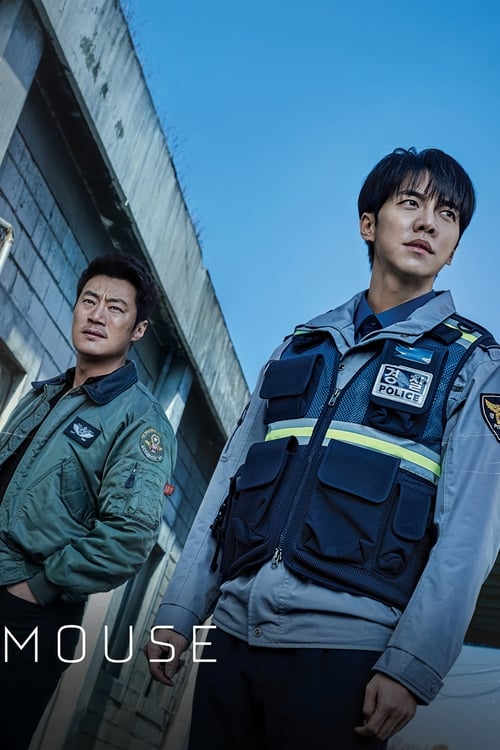
Jeon Pil-do, portrayed by Ahn Bo-hyun, serves as both an obstacle and an unexpected ally for Ji-woo. As a dedicated police officer investigating the drug cartel, he is initially unaware of Ji-woo's true identity and intentions. His relentless pursuit of justice contrasts with Ji-woo's quest for revenge, creating a cat-and-mouse dynamic. As they cross paths, Pil-do becomes increasingly conflicted about his feelings for Ji-woo, leading to a complex relationship that challenges his professional integrity and personal beliefs.
What are the key challenges Ji-woo faces while infiltrating the drug cartel?
As Ji-woo infiltrates the drug cartel, she faces numerous challenges that test her resolve and adaptability. She must navigate the treacherous dynamics of the criminal world, where trust is scarce and betrayal is common. Ji-woo struggles with the moral implications of her actions, often finding herself in situations where she must choose between her quest for revenge and her humanity. Additionally, she faces physical threats from rival gang members and the constant risk of exposure, which heightens the tension and stakes of her mission.
How does Ji-woo's past influence her actions and decisions throughout the series?
Ji-woo's traumatic past, marked by her father's murder and her subsequent isolation, profoundly influences her actions and decisions. Her desire for revenge is rooted in a need for closure and justice, driving her to make increasingly dangerous choices. Flashbacks reveal her struggles with grief and anger, shaping her into a determined and resilient character. This emotional baggage complicates her relationships with others, as she often grapples with trust issues and the fear of losing those she grows close to, particularly as she becomes more entrenched in the violent world she seeks to dismantle.
Is this family friendly?
"My Name," produced in 2021, is not considered family-friendly due to its mature themes and graphic content. Here are some potentially objectionable or upsetting aspects that may affect children or sensitive viewers:
-
Violence: The series contains intense action sequences, including hand-to-hand combat, gunfights, and scenes of physical harm that are depicted in a graphic manner.
-
Death: There are multiple instances of characters being killed, which are portrayed with emotional weight and can be distressing.
-
Strong Language: The dialogue includes frequent use of profanity, which may not be suitable for younger audiences.
-
Themes of Revenge: The central plot revolves around themes of vengeance and betrayal, which may be heavy for sensitive viewers.
-
Drug Use: There are scenes that depict drug use and its consequences, which could be troubling for some.
-
Emotional Trauma: Characters experience significant emotional pain and trauma, including loss and betrayal, which may resonate deeply and evoke strong feelings.
These elements contribute to the overall tone of the series, making it more appropriate for mature audiences.