














Popular
What is the significance of the character Eric in the story?
What role do the mythical creatures play in the story?
How does the character Clara influence the plot?
How does the setting of the city contribute to the story's atmosphere?
What is the relationship between Eric and his wife, and how does it affect the plot?
Should I watch it?
Ask Your Own Question

What is the plot?
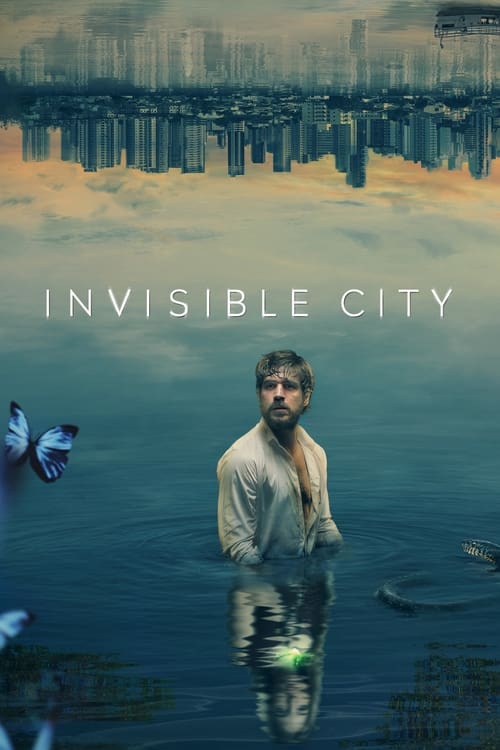
In the opening scene of "Invisible City," we are introduced to Eric, a dedicated environmental officer in Rio de Janeiro, who is investigating a series of mysterious animal deaths. He is deeply connected to nature and has a strong sense of duty to protect the environment. As he examines the dead animals, he discovers that they are not just ordinary deaths; there is something supernatural at play. This sets the tone for the intertwining of the natural and mystical worlds.
Eric's life takes a dramatic turn when he returns home to find his wife, who is pregnant, has gone missing. The emotional turmoil he experiences is palpable; he is filled with fear and desperation. He begins to search for her, questioning everyone around him, including his friends and colleagues. His internal struggle is evident as he grapples with the possibility of losing his family.
As Eric delves deeper into the investigation, he encounters a mysterious woman named Inês, who seems to have knowledge about the supernatural occurrences. She reveals to him that there are spirits and entities connected to the environment that are being disturbed by human actions. Eric is skeptical but intrigued, and he feels a growing connection to Inês, who embodies a deep understanding of the natural world.
Eric's search leads him to a hidden community that lives in harmony with nature, where he learns about the "Invisible City," a place where spirits reside. The community members explain the importance of respecting nature and the consequences of its destruction. This revelation ignites a sense of urgency in Eric; he realizes that his wife's disappearance is linked to the imbalance caused by human interference in the environment.
As Eric continues his quest, he faces opposition from powerful figures who are exploiting the land for profit. He confronts these antagonists, leading to tense encounters where he must navigate threats to his life and the lives of those he cares about. His determination to uncover the truth grows stronger, fueled by his love for his wife and the desire to protect the environment.
In a pivotal moment, Eric discovers that his wife is being held captive by a corporation that is conducting illegal activities in the area. He learns that they are using her as leverage to silence anyone who opposes their plans. This revelation propels Eric into action; he devises a plan to rescue her, enlisting the help of Inês and the community he has come to trust.
The rescue mission is fraught with danger. Eric, Inês, and the community members infiltrate the corporation's facility. They face armed guards and high-tech security systems. The tension escalates as they navigate through the building, using their knowledge of the environment to outsmart their adversaries. Eric's emotional state is a mix of fear and determination as he pushes forward, driven by the thought of reuniting with his wife.
During the confrontation, Eric comes face to face with the corporation's leader, who reveals the extent of their plans to exploit the land. A fierce argument ensues, highlighting the clash between corporate greed and environmental preservation. Eric's resolve strengthens as he fights not only for his wife but for the future of the land itself.
In a climactic showdown, Eric manages to rescue his wife, but not without a cost. The confrontation leads to a chaotic escape, where they must evade capture while the facility begins to collapse due to the damage caused during the fight. The emotional weight of the moment is heavy as Eric and his wife are finally reunited, but they are also aware of the challenges that lie ahead.
As they escape, Eric reflects on the journey he has taken, realizing that the fight for the environment is far from over. The experience has changed him, deepening his connection to nature and the spirits that inhabit it. The final scenes depict Eric and his wife returning to the community, where they are welcomed as allies in the ongoing battle to protect the environment.
The series concludes with a sense of hope and determination. Eric has transformed from a mere investigator into a protector of the natural world, ready to face whatever challenges may come next. The Invisible City remains a powerful symbol of the connection between humanity and nature, and Eric's journey is a testament to the importance of that bond.
More TV Shows Like This
Browse All TV Shows →


What is the ending?
In the ending of "Invisible City," Eric, the protagonist, confronts the truth about his wife, who is revealed to be a supernatural being. He faces a choice that will determine the fate of both the human and supernatural worlds. Ultimately, he sacrifices his own desires to protect his daughter, who is caught in the conflict between these two realms. The series concludes with a sense of unresolved tension, as the balance between the two worlds remains precarious.
As the final episodes unfold, we see Eric grappling with the revelations about his wife, who is not just a human but a creature tied to the mystical elements of the city. The atmosphere is thick with tension as he navigates the emotional turmoil of betrayal and love.
Scene 1: Eric stands in the dimly lit living room, the weight of his discoveries pressing down on him. He recalls moments with his wife, the warmth of their family life now tainted by the knowledge of her true nature. His heart races as he realizes that the supernatural world is not just a myth but a reality that threatens his daughter, Luna.
Scene 2: In a confrontation with his wife, Eric demands answers. The room is charged with emotion as she reveals her origins and the responsibilities that come with her identity. Her eyes glisten with tears, reflecting the pain of her dual existence. Eric's anger and confusion clash with his lingering love for her, creating a palpable tension in the air.
Scene 3: As the conflict escalates, Eric learns that Luna is at the center of a struggle between the human world and the supernatural forces that seek to control it. He feels a surge of protectiveness for his daughter, realizing that he must make a choice that could alter the course of their lives forever.
Scene 4: The climax unfolds in a mystical forest, where Eric confronts the supernatural beings that threaten his family. The visuals are striking, with ethereal lights and shadows dancing around him. He stands firm, fueled by love and desperation, as he pleads for Luna's safety. The stakes are high, and the air is thick with suspense.
Scene 5: In a moment of sacrifice, Eric chooses to sever his ties with the supernatural world, understanding that his love for Luna must come first. He watches as his wife transforms, her true form emerging in a breathtaking display of light and color. The emotional weight of the moment is heavy, as he realizes that this choice may mean losing her forever.
Scene 6: The series concludes with Eric and Luna standing together, the bond between them stronger than ever, yet tinged with sadness. They look out over the city, a place where the invisible and visible worlds coexist, leaving viewers with a sense of uncertainty about the future. The balance between the two realms remains fragile, hinting at ongoing struggles that lie ahead.
In the end, Eric's fate is one of sacrifice and resilience, as he embraces his role as a protector. Luna, now aware of her unique heritage, stands at the threshold of her own journey, embodying the hope for a future where both worlds can coexist. The unresolved tension serves as a reminder of the complexities of love, identity, and the choices that shape our destinies.
Is there a post-credit scene?
In the 2021 series "Invisible City," there is no post-credit scene. The show concludes its narrative without additional scenes after the credits, focusing instead on wrapping up the storylines and character arcs within the main episodes. The final moments of the series leave viewers with a sense of resolution regarding the central conflicts and character developments, particularly surrounding the protagonist, Eric, and his journey through the mystical and often dangerous world of Brazilian folklore. The absence of a post-credit scene allows the emotional weight of the finale to resonate without distraction, emphasizing the themes of loss, identity, and the connection to one's roots.
What is the significance of the character Eric in the story?
Eric is a pivotal character in 'Invisible City,' serving as a bridge between the human world and the mystical elements of the narrative. His journey begins with the tragic loss of his wife, which propels him into a quest for answers. As he delves deeper into the mysteries surrounding his wife's death, Eric's motivations shift from grief to a determination to uncover the truth about the supernatural forces at play. His emotional turmoil is palpable, as he grapples with feelings of guilt and responsibility, ultimately leading him to confront the hidden realities of his city.
What role do the mythical creatures play in the story?
The mythical creatures in 'Invisible City' serve as both antagonists and allies, embodying the hidden dangers and wonders of the world Eric inhabits. Each creature represents different aspects of Brazilian folklore, enriching the narrative with cultural significance. Their interactions with Eric highlight the conflict between the human and supernatural realms, as he learns to navigate this duality. The creatures' motivations often reflect their own struggles for survival and autonomy, which intertwine with Eric's quest, creating a rich tapestry of conflict and cooperation.
How does the character Clara influence the plot?
Clara, a mysterious figure connected to the supernatural realm, plays a crucial role in shaping the narrative. Her presence introduces Eric to the hidden world of mythical creatures and the secrets of the city. Clara's motivations are complex; she seeks to protect her own kind while also forming a bond with Eric. This relationship adds layers of tension and emotional depth, as Eric is torn between his love for Clara and his obligations to the human world. Clara's actions often drive the plot forward, leading to critical revelations about the city's dark history.
How does the setting of the city contribute to the story's atmosphere?
The city itself is a character in 'Invisible City,' with its vibrant yet haunting landscapes reflecting the emotional states of the characters. The juxtaposition of urban life with the encroaching presence of the supernatural creates a palpable tension throughout the series. As Eric explores various locations, from bustling streets to shadowy corners, the setting amplifies his feelings of isolation and urgency. The atmospheric details, such as the sounds of the city and the visual contrasts between light and darkness, enhance the narrative, making the audience feel the weight of the secrets hidden within.
What is the relationship between Eric and his wife, and how does it affect the plot?
Eric's relationship with his wife is central to the emotional core of 'Invisible City.' Their bond is depicted through flashbacks that reveal their deep love and shared dreams, which are tragically shattered by her untimely death. This loss serves as the catalyst for Eric's journey, driving him to seek answers and confront the supernatural elements that led to her demise. His grief manifests in various ways, influencing his decisions and interactions with other characters. The unresolved feelings surrounding their relationship propel the plot, as Eric's quest for closure intertwines with the unfolding mysteries of the city.
Is this family friendly?
"Invisible City," produced in 2021, is a fantasy drama series that explores themes of mythology, environmentalism, and the intersection of the human and supernatural worlds. While it has a captivating narrative, there are several elements that may be considered objectionable or upsetting for children or sensitive viewers:
-
Supernatural Violence: The series includes scenes of violence involving mythical creatures and confrontations that may be intense or frightening for younger audiences.
-
Death and Loss: Characters experience loss and grief, which can be emotionally heavy and may resonate deeply with viewers, particularly those sensitive to themes of mortality.
-
Dark Themes: The show delves into darker aspects of human nature and environmental destruction, which may be unsettling for some viewers.
-
Mature Language: There are instances of strong language that may not be suitable for children.
-
Emotional Turmoil: Characters face significant emotional struggles, including betrayal, anger, and despair, which could be distressing for sensitive viewers.
Overall, while "Invisible City" offers rich storytelling and visual appeal, its themes and content may not be appropriate for all audiences, particularly younger children. Viewer discretion is advised.









