














Popular
What motivates the main characters to investigate the Dyatlov Pass incident?
What supernatural elements are introduced in the series, and how do they affect the characters?
How does the relationship between the characters evolve throughout the series?
How do the characters react to the discovery of the bodies at the Dyatlov Pass?
What role does the setting of the Ural Mountains play in the story?
Should I watch it?
Ask Your Own Question

What is the plot?
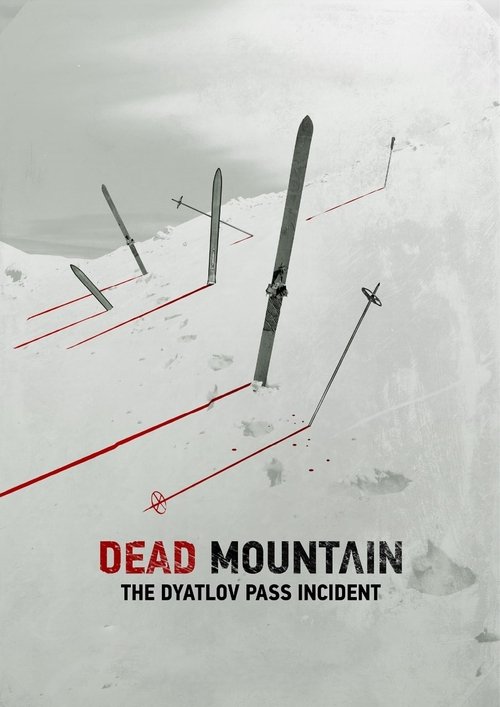
In the year 1959, a group of experienced hikers, led by Igor Dyatlov, embarks on an expedition to the Ural Mountains in Soviet Russia. The group consists of eight members, each with their own motivations for the journey, including a desire for adventure and the challenge of reaching the remote Otorten Mountain. As they prepare for their trek, the atmosphere is filled with excitement and camaraderie, but there are underlying tensions, particularly regarding the leadership and the differing levels of experience among the group.
As the hikers set off, they navigate through the harsh winter landscape, facing treacherous conditions. The first few days are filled with laughter and bonding, but as they ascend higher into the mountains, the weather worsens. The group begins to experience fatigue and frustration, leading to conflicts over the pace of the hike and the decision-making process. Igor remains determined to stick to the planned route, despite the growing concerns of his fellow hikers about the worsening conditions.
On the seventh day of their expedition, the group reaches a point where they must make a critical decision: to continue to their intended destination or to turn back. After a heated discussion, Igor insists on pushing forward, believing they can make it to the summit. The group reluctantly agrees, but the tension is palpable as they set up camp for the night on the slopes of Kholat Syakhl, a location that will soon become infamous.
As night falls, the atmosphere shifts dramatically. The hikers hear strange noises outside their tent, which causes panic among them. They debate whether to investigate or stay inside, but the fear of the unknown drives them to cut their way out of the tent in a frantic escape. In the chaos, they leave behind their belongings, including shoes and warm clothing, as they flee into the freezing wilderness.
Once outside, the group scatters in different directions, trying to find safety. They are disoriented and terrified, struggling to comprehend what is happening. Some members attempt to regroup, while others succumb to the harsh elements. The camera captures their desperate attempts to survive, showcasing their emotional turmoil and the physical toll of the cold.
As the days pass, search parties are dispatched to find the missing hikers. The authorities discover the abandoned tent, which is found in a bizarre state, with the entrance cut open from the inside and personal items left behind. The investigation reveals that the hikers had fled in a panic, but the cause of their fear remains a mystery. The search teams find the bodies of the hikers scattered across the mountainside, each showing signs of trauma and unusual injuries.
The discovery of the bodies raises more questions than answers. Some of the hikers have severe internal injuries, while others appear to have died from hypothermia. The investigation reveals that one of the hikers, Lyudmila, has a missing tongue and eyes, adding to the eerie nature of the incident. The authorities struggle to explain the bizarre circumstances surrounding their deaths, leading to various theories, including an avalanche, military involvement, or even supernatural forces.
As the narrative unfolds, flashbacks reveal the personal lives of the hikers, their relationships, and the motivations that drove them to undertake such a perilous journey. The emotional weight of their stories adds depth to the tragedy, highlighting their dreams and aspirations, which were cut short by the mysterious events on the mountain.
In the final act, the story shifts to the present day, where a group of modern-day adventurers, intrigued by the Dyatlov Pass incident, decides to retrace the hikers' steps. They are drawn by the allure of the mystery and the thrill of adventure, but as they delve deeper into the history, they begin to experience strange occurrences reminiscent of the original tragedy. Tensions rise within their group as they confront their fears and the possibility of facing the same fate as the original hikers.
The series concludes with an ambiguous ending, leaving viewers with lingering questions about the true nature of the Dyatlov Pass incident. The unresolved mysteries and the emotional scars left on the surviving family members of the hikers serve as a haunting reminder of the dangers that lie in the unknown, and the story ends without providing a definitive explanation for the tragic events that transpired on that fateful expedition.






What is the ending?
In the ending of "Dead Mountain: The Dyatlov Pass Incident," the remaining characters face the terrifying truth of their situation as they confront the supernatural forces at play. The story culminates in a harrowing climax where the characters must make desperate choices to survive, leading to tragic outcomes for some. The final scenes leave viewers with a sense of unresolved mystery surrounding the Dyatlov Pass incident.
As the narrative unfolds in the final act, we find ourselves in the heart of the Ural Mountains, where the chilling atmosphere is thick with tension. The remaining group members, including the determined journalist, the skeptical scientist, and the frightened local guide, are trapped in a remote cabin, surrounded by the ominous wilderness. The howling wind outside mirrors their growing sense of dread.
Scene 1: The Cabin Inside the cabin, the flickering light casts long shadows on the walls, creating an eerie ambiance. The characters huddle together, their faces etched with fear and uncertainty. The journalist, driven by a need to uncover the truth, insists on investigating the strange occurrences that have plagued them since their arrival. The scientist, burdened by his rational mind, tries to dismiss the supernatural elements, but the local guide, haunted by his own past, warns them of the dangers that lie beyond the cabin walls.
Scene 2: The Search Determined to find answers, the group ventures out into the snow-laden forest. The camera captures their breath visible in the frigid air, emphasizing the biting cold that seeps into their bones. As they trek deeper into the woods, the atmosphere grows increasingly oppressive. Strange sounds echo around them, and the trees seem to close in, creating a claustrophobic feeling. The journalist's resolve begins to waver as he senses the malevolent presence lurking just out of sight.
Scene 3: The Confrontation Suddenly, they stumble upon a clearing where remnants of the past lie scattered--old equipment, torn clothing, and eerie symbols etched into the snow. The group realizes they are not alone; something watches them from the shadows. Panic sets in as they hear whispers and see fleeting figures darting between the trees. The scientist, still clinging to logic, tries to rationalize the events, but the local guide's fear becomes palpable, revealing his deep-seated belief in the legends of the mountain.
Scene 4: The Descent into Chaos As night falls, the group returns to the cabin, but the atmosphere has shifted. Tensions rise, and paranoia takes hold. The journalist, desperate for a story, pushes the others to confront their fears, but this only leads to conflict. The scientist's skepticism clashes with the guide's superstitions, fracturing their unity. In a moment of desperation, the guide reveals a personal tragedy linked to the mountain, deepening the emotional stakes.
Scene 5: The Final Stand The climax erupts when the supernatural forces manifest violently. Shadows swirl around the cabin, and the characters are forced to confront their deepest fears. One by one, they are picked off by the unseen entity, each death marked by a haunting silence that underscores the horror of their situation. The journalist, in a final act of bravery, sacrifices himself to save the others, pushing them to escape while he confronts the darkness alone.
Scene 6: The Aftermath In the aftermath, the remaining characters flee into the night, their faces pale with terror and grief. The camera lingers on the desolate landscape, now eerily quiet, as they stumble through the snow, forever changed by their harrowing experience. The local guide, burdened by guilt, vows to return to the mountain to seek redemption, while the scientist grapples with the inexplicable events that defy his understanding. The final shot reveals the mountain looming ominously in the distance, a silent witness to the tragedy that unfolded, leaving viewers with lingering questions about the nature of fear, belief, and the unknown.
In conclusion, the fates of the main characters are sealed in tragedy and sacrifice, with the journalist's bravery standing out as a poignant reminder of the human spirit's struggle against the inexplicable. The unresolved mysteries of the Dyatlov Pass incident remain, echoing the themes of fear and the unknown that permeate the narrative.
Is there a post-credit scene?
In the TV show "Dead Mountain: The Dyatlov Pass Incident," there is no post-credit scene. The series concludes its narrative without any additional scenes after the credits roll. The final moments of the show focus on the resolution of the main storyline, leaving viewers with a sense of closure regarding the characters' fates and the mysteries surrounding the Dyatlov Pass incident. The emphasis is on the emotional weight of the events that transpired, rather than teasing further developments or sequels.
What motivates the main characters to investigate the Dyatlov Pass incident?
The main characters, particularly the journalist and the local guide, are driven by a mix of personal ambition and a deep-seated need for truth. The journalist seeks to uncover the mystery for a compelling story, while the guide is haunted by local legends and a desire to confront the past.
What supernatural elements are introduced in the series, and how do they affect the characters?
The series introduces eerie phenomena such as strange lights in the sky and unexplained sounds, which heighten the tension and paranoia among the characters. These elements challenge their rational beliefs and force them to confront their fears, leading to emotional breakdowns and conflicts.
How does the relationship between the characters evolve throughout the series?
As the investigation unfolds, the relationships between the characters become increasingly strained. Initial camaraderie gives way to suspicion and fear as they encounter supernatural elements and face their own inner demons, leading to moments of betrayal and revelation.
How do the characters react to the discovery of the bodies at the Dyatlov Pass?
The discovery of the bodies is a pivotal moment that evokes shock and horror among the characters. Each reacts differently: some are driven by a need to understand the tragedy, while others are paralyzed by fear, leading to a mix of grief, anger, and a sense of urgency to uncover the truth.
What role does the setting of the Ural Mountains play in the story?
The Ural Mountains serve as a haunting backdrop that amplifies the isolation and danger faced by the characters. The harsh, unforgiving landscape reflects their internal struggles and heightens the sense of dread, making the mountains almost a character in their own right, influencing decisions and emotions.
Is this family friendly?
"Dead Mountain: The Dyatlov Pass Incident" contains several elements that may not be suitable for children or sensitive viewers. Here are some potentially objectionable aspects:
-
Violence and Gore: The series includes scenes depicting injuries and death, which can be graphic and unsettling. The portrayal of the aftermath of the Dyatlov Pass incident features disturbing imagery.
-
Tension and Suspense: The show builds a sense of dread and fear, with intense moments that may be frightening for younger audiences. The atmosphere is often dark and foreboding.
-
Themes of Death and Loss: The narrative revolves around a tragic event, exploring themes of mortality and the emotional impact of loss, which may be heavy for some viewers.
-
Supernatural Elements: The inclusion of mysterious and potentially supernatural occurrences can be unsettling, particularly for those who are sensitive to horror or thriller genres.
-
Emotional Distress: Characters experience significant emotional turmoil, including fear, anxiety, and despair, which may resonate deeply with sensitive viewers.
Overall, while the series is a compelling exploration of a historical mystery, its content may not be appropriate for all audiences, particularly children.