
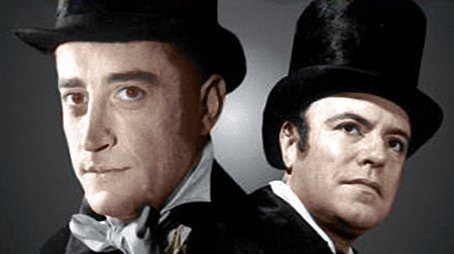


Popular
What are the main challenges Rocambole faces in his adventures?
How does Rocambole's character evolve throughout the series?
Who are the key supporting characters that influence Rocambole's journey?
What specific disguises does Rocambole use to achieve his objectives?
What are some of the most memorable heists or schemes Rocambole orchestrates?
Should I watch it?
Ask Your Own Question

What is the plot?
Rocambole begins with the introduction of the titular character, Rocambole, a master of disguise and a cunning thief. The story is set in a vibrant yet dangerous world where Rocambole navigates through various challenges. He is portrayed as a charismatic figure, often charming those around him while plotting his next move. The opening scenes establish his reputation as a skilled con artist, showcasing his ability to manipulate situations to his advantage.
As the plot unfolds, Rocambole is approached by a group of rebels who seek his help in overthrowing a corrupt regime. They are desperate and believe that Rocambole's unique skills could turn the tide in their favor. Initially hesitant, Rocambole weighs the risks and rewards of getting involved. His internal conflict is palpable; he is drawn to the idea of adventure and the potential for wealth, but he is also wary of the dangers that come with such a commitment.
After some deliberation, Rocambole decides to join the rebels. He devises a plan to infiltrate the palace of the corrupt ruler, where he believes he can gather crucial information and resources. The rebels are excited by his decision, and they begin to prepare for the mission. Rocambole takes the lead in strategizing, showcasing his intelligence and resourcefulness. He emphasizes the importance of stealth and precision, knowing that any mistake could lead to disaster.
The night of the infiltration arrives. Rocambole, dressed in a guard's uniform, sneaks into the palace with a small team of rebels. The atmosphere is tense as they navigate through the dimly lit corridors, avoiding guards and security measures. Rocambole's heart races with adrenaline, but he remains focused on the task at hand. They reach the inner sanctum where the ruler conducts his affairs, and Rocambole uses his skills to disable the security systems.
Once inside, Rocambole discovers a hidden chamber filled with documents that reveal the ruler's corrupt dealings. As he gathers evidence, the team hears footsteps approaching. Rocambole quickly signals for everyone to hide. A guard enters the room, and Rocambole must think fast. He uses a smoke bomb to create a diversion, allowing the rebels to escape undetected. The tension is high as they make their way out, narrowly avoiding capture.
After their successful escape, the rebels celebrate their victory, but Rocambole remains cautious. He knows that the ruler will retaliate and that they must act quickly to leverage the information they have obtained. Rocambole takes charge, rallying the rebels to prepare for the next phase of their plan. He emphasizes the need for unity and determination, igniting a sense of purpose among the group.
As they begin to spread the information to the public, Rocambole faces unexpected challenges. The ruler's forces launch a counter-offensive, and the rebels find themselves in a series of skirmishes. Rocambole's leadership is put to the test as he navigates through these confrontations. He devises clever tactics to outsmart the enemy, using misdirection and deception to gain the upper hand.
In one pivotal scene, Rocambole leads a daring raid on a supply convoy meant for the ruler's army. The rebels ambush the convoy, and a fierce battle ensues. Rocambole fights valiantly, showcasing his agility and combat skills. He engages in hand-to-hand combat with several guards, using his environment to his advantage. The chaos of the battle is intense, with explosions and shouts echoing through the air. Rocambole's determination drives him forward, and he ultimately secures the supplies for the rebels.
As the conflict escalates, Rocambole's relationship with the rebels deepens. He forms a bond with a fellow rebel, who shares his passion for justice and freedom. Their camaraderie adds an emotional layer to the story, as they support each other through the trials they face. However, Rocambole also grapples with the weight of leadership and the lives that depend on his decisions.
The climax of the story occurs when Rocambole and the rebels launch a final assault on the palace. They are met with fierce resistance, but Rocambole's strategic mind shines through. He orchestrates a multi-pronged attack, dividing the enemy forces and creating openings for his team. The battle is chaotic, with both sides suffering losses. Rocambole fights with a mix of desperation and resolve, knowing that the outcome will determine the future of the people.
In a dramatic confrontation, Rocambole faces the corrupt ruler in a tense showdown. The ruler, confident in his power, underestimates Rocambole's cunning. They engage in a battle of wits and strength, with Rocambole using his agility to outmaneuver the ruler's attacks. The fight is intense, filled with close calls and narrow escapes. Ultimately, Rocambole gains the upper hand, disarming the ruler and forcing him to surrender.
With the ruler defeated, Rocambole and the rebels celebrate their hard-won victory. The atmosphere is filled with hope and relief as they envision a brighter future. Rocambole, however, remains contemplative. He reflects on the journey he has taken, the lives he has impacted, and the sacrifices made along the way. His character arc comes full circle as he embraces his role not just as a thief, but as a hero who fought for justice.
The story concludes with Rocambole standing among the rebels, looking out over the city they have liberated. The sun rises on a new day, symbolizing the dawn of change. Rocambole's journey has transformed him, and he is ready to face whatever challenges lie ahead, knowing that he has made a difference in the world.








What is the ending?
In the ending of the TV show "Rocambole," the protagonist, Rocambole, faces off against his adversaries in a final confrontation. The story culminates in a dramatic showdown that tests his cunning and resolve. Ultimately, Rocambole emerges victorious, but not without significant personal sacrifice. The fates of the main characters are intertwined with themes of loyalty, betrayal, and redemption.
As the final episode unfolds, we find Rocambole in a dimly lit chamber, the air thick with tension. He stands at the center, surrounded by his enemies, who have conspired against him throughout the series. The atmosphere is charged with anticipation, as Rocambole's sharp wit and resourcefulness are put to the ultimate test.
Scene 1: The Confrontation Rocambole, dressed in his signature attire, exudes confidence despite the odds stacked against him. His adversaries, a group of nefarious villains led by the cunning Countess, circle him like vultures. The Countess, with her piercing gaze and manipulative charm, taunts Rocambole, reminding him of the betrayals he has faced. Rocambole, however, remains undeterred, his mind racing as he formulates a plan.
Scene 2: The Battle of Wits As the confrontation escalates, Rocambole engages in a battle of wits with the Countess. He cleverly uses her own words against her, revealing her treachery to the other villains. The tension in the room thickens as alliances begin to shift. Rocambole's charisma shines through as he rallies the other characters, igniting a spark of rebellion against the Countess's tyranny.
Scene 3: The Turning Point In a pivotal moment, Rocambole reveals a hidden weapon--a clever trap he had set earlier in the story. The trap ensnares the Countess and her henchmen, turning the tide in Rocambole's favor. The room erupts into chaos as Rocambole's allies join the fray, fighting alongside him against the remaining villains. The action is frenetic, with close-ups of determined faces and the sounds of clashing swords echoing through the chamber.
Scene 4: The Climax As the dust settles, Rocambole stands victorious, but the victory comes at a cost. He has lost some of his closest allies in the battle, their sacrifices weighing heavily on his heart. The camera lingers on Rocambole's face, capturing the mix of triumph and sorrow. He reflects on the friendships forged and the betrayals endured, understanding that the path to victory is often paved with loss.
Scene 5: The Resolution In the aftermath, Rocambole addresses the remaining characters, emphasizing the importance of loyalty and the strength found in unity. He vows to continue fighting against injustice, embodying the spirit of resilience. The final scene shows Rocambole walking away from the chaos, a solitary figure against the backdrop of a rising sun, symbolizing hope and new beginnings.
The fates of the main characters are sealed in this climactic ending. Rocambole, though victorious, carries the burden of his fallen friends. The Countess, once a formidable foe, is left defeated and exposed, her plans unraveled. The remaining allies, inspired by Rocambole's leadership, stand ready to face whatever challenges lie ahead, united in their cause. The story concludes with a sense of closure, yet leaves the door open for future adventures, highlighting the enduring nature of Rocambole's journey.
Is there a post-credit scene?
The TV show "Rocambole," produced in 1964, does not feature a post-credit scene. The series, which is based on the character created by Ponson du Terrail, focuses on the adventures of Rocambole, a master of disguise and a clever rogue. Each episode concludes with a resolution to the plot, often leaving viewers with a sense of closure regarding the immediate story arc. The format of the show does not include additional scenes after the credits, as was common in many television series of that era. Instead, the emphasis is placed on the unfolding drama and the clever escapades of the protagonist throughout the main episodes.
What are the main challenges Rocambole faces in his adventures?
Rocambole, a master of disguise and deception, faces numerous challenges throughout his adventures, including outsmarting law enforcement, navigating treacherous alliances, and confronting powerful adversaries. His cleverness is often tested as he must devise intricate plans to escape capture and achieve his goals.
How does Rocambole's character evolve throughout the series?
Throughout the series, Rocambole's character evolves from a mere trickster to a more complex figure who grapples with moral dilemmas. His motivations shift as he encounters various characters, leading him to question his own values and the consequences of his actions.
Who are the key supporting characters that influence Rocambole's journey?
Key supporting characters include his loyal accomplices, who provide both assistance and conflict, as well as antagonists who challenge his wit and resourcefulness. Each character adds depth to Rocambole's journey, influencing his decisions and shaping the narrative.
What specific disguises does Rocambole use to achieve his objectives?
Rocambole employs a variety of disguises throughout the series, ranging from a humble merchant to a high-ranking official. Each disguise is meticulously crafted, showcasing his skills in deception and allowing him to infiltrate different social circles to gather information or execute his plans.
What are some of the most memorable heists or schemes Rocambole orchestrates?
Some of the most memorable heists include elaborate plans to steal valuable artifacts or outsmart corrupt officials. Each scheme is filled with tension and unexpected twists, highlighting Rocambole's ingenuity and the high stakes involved in his criminal undertakings.
Is this family friendly?
"Rocambole," produced in 1964, is a television series that features a mix of adventure, drama, and intrigue. While it is primarily aimed at a general audience, there are certain elements that may be considered objectionable or upsetting for children or sensitive viewers.
-
Violence and Conflict: The series includes scenes of physical confrontations and duels, which may be intense for younger viewers. The portrayal of these conflicts can evoke feelings of tension and fear.
-
Moral Ambiguity: Characters often operate in morally gray areas, engaging in deception and manipulation. This complexity might be confusing for children who are still developing their understanding of right and wrong.
-
Emotional Turmoil: Characters experience significant emotional struggles, including betrayal, loss, and revenge. These themes can be heavy and may resonate deeply with sensitive viewers.
-
Dark Themes: The narrative occasionally delves into darker aspects of human nature, such as greed and vengeance, which might be unsettling for younger audiences.
-
Romantic Tension: There are elements of romantic intrigue that may not be suitable for all children, as they can introduce themes of jealousy and heartbreak.
Overall, while "Rocambole" can be enjoyed by a wide audience, parents may want to consider these aspects when determining its suitability for children or sensitive viewers.