
















Popular
What happens to Armond in The White Lotus?
How does Rachel's character evolve throughout the series?
What is the significance of the Hawaiian setting in The White Lotus?
How does the relationship between Tanya and Greg develop?
What role do the kids play in the dynamics of the families at the resort?
Should I watch it?
Ask Your Own Question

What is the plot?
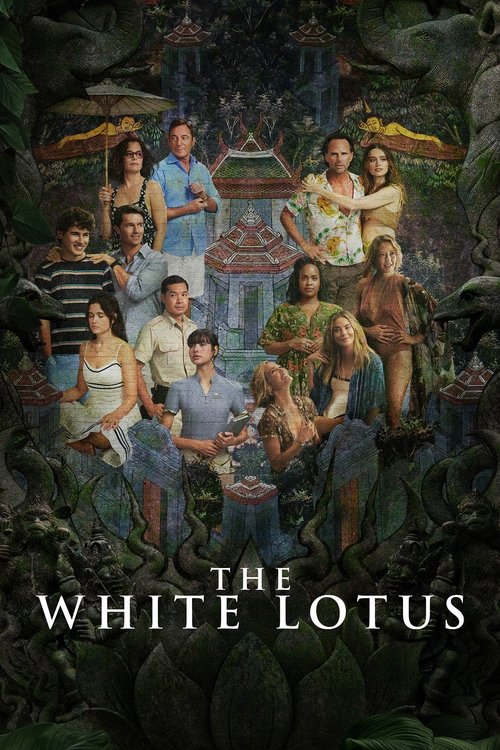
The White Lotus begins with a scene at an airport where a group of wealthy guests is arriving in Hawaii for a luxurious vacation at the White Lotus resort. Among them are the Mossbacher family: Nicole, a successful businesswoman; her husband Mark, who is dealing with a health scare; their teenage daughter Olivia, who is cynical and self-absorbed; and their younger son Quinn, who is more introverted and detached. Also arriving is Tanya McQuoid, a woman grieving the recent death of her mother, who is seeking solace and connection.
As the guests settle into the resort, they are introduced to the staff, including Armond, the resort manager, who is struggling with his own issues, including substance abuse. The guests begin to interact with the staff, revealing their personalities and motivations. Tanya meets a local man named Greg, who shows interest in her, while the Mossbachers start to explore the resort and its amenities.
The next day, tensions rise as the Mossbacher family goes on a snorkeling trip. Olivia and her friend Paula, who is staying with them, express their disdain for the wealthy lifestyle and the privilege they see around them. Meanwhile, Mark confides in Nicole about his health concerns, revealing his fears about his mortality. Nicole, focused on her career, seems somewhat dismissive of his worries, leading to a rift between them.
At the resort, Armond is dealing with the pressures of managing the guests and his own addiction. He begins to clash with the Mossbacher family, particularly when they request special treatment. Tensions escalate when Olivia and Paula confront the staff about their treatment of the local culture, highlighting the disparity between the guests and the locals.
As the week progresses, Tanya becomes more involved with Greg, who seems charming but also somewhat mysterious. She shares her emotional struggles with him, and he offers her support, but there are hints that he may not be entirely sincere. Meanwhile, Armond's behavior becomes increasingly erratic as he tries to maintain control over the situation at the resort.
The Mossbacher family continues to experience conflicts, particularly between Nicole and Mark, as they navigate their differing priorities. Olivia's relationship with Paula deepens, and they bond over their shared views on privilege and social justice. However, their friendship is tested when Paula feels overshadowed by Olivia's wealth and status.
As the climax approaches, a series of events lead to a confrontation between the guests and the staff. Armond, feeling overwhelmed, makes a series of poor decisions that culminate in a dramatic showdown with the Mossbachers. Tensions boil over when Mark discovers that Armond has been using drugs, leading to a heated argument that exposes the underlying issues of class and privilege.
In the final act, the story takes a dark turn. Tanya discovers that Greg may have ulterior motives for his interest in her, leading to feelings of betrayal and confusion. Meanwhile, the Mossbacher family faces the consequences of their actions, and the dynamics between the guests and staff reach a breaking point.
The series concludes with a shocking twist as a tragic event occurs, leaving the characters to grapple with the fallout of their choices. The final scenes reveal the stark contrast between the guests' luxurious lives and the harsh realities faced by the locals, encapsulating the themes of privilege, entitlement, and the complexities of human relationships.







What is the ending?
In the ending of The White Lotus, the series culminates in a shocking conclusion where several characters face the consequences of their actions. Tanya McQuoid discovers a plot against her life, leading to a dramatic confrontation. Meanwhile, the other guests and staff navigate their own personal conflicts, ultimately revealing the complexities of privilege and morality.
As the final episode unfolds, the sun sets over the idyllic Hawaiian landscape, casting a warm glow over the White Lotus resort. Tanya McQuoid, played by Jennifer Coolidge, is preparing to leave the resort with her husband, Greg. However, her plans take a dark turn when she overhears a conversation that reveals Greg's true intentions. He is in cahoots with two men, who are plotting to kill her for her wealth.
Scene breaks to Tanya, who is visibly shaken but determined to confront the situation. She rushes to her suite, her heart racing as she processes the betrayal. The camera captures her frantic movements, her hands trembling as she searches for a way to escape. Tanya's emotional state is a mix of fear and anger, and she realizes she must act quickly.
In a tense moment, Tanya decides to confront the men in the hotel. She finds them in a secluded area, and a confrontation ensues. The scene is charged with tension as Tanya, armed with her newfound knowledge, tries to outsmart them. The dialogue is sharp, revealing her desperation and cunning. In a chaotic struggle, Tanya manages to push one of the men into the water, but in the ensuing chaos, she slips and falls, leading to her tragic demise.
Meanwhile, the other guests at the resort are dealing with their own issues. Rachel, a young woman who is grappling with her marriage to wealthy businessman Shane, faces a pivotal moment. She realizes that her relationship is built on superficiality and begins to question her choices. The emotional weight of her situation is palpable as she confronts Shane about their future, leading to a heated argument that exposes the cracks in their relationship.
As the episode progresses, we see the fate of the other main characters unfold. Shane, played by Jake Lacy, is consumed by his entitlement and privilege, ultimately leading to a confrontation with the hotel manager, Armond. Their clash culminates in a violent encounter, showcasing the toxic dynamics of power and wealth. Armond's fate is sealed as he succumbs to the pressures of his job and the guests' demands, leading to a tragic end.
The final scenes depict the aftermath of these events. The resort staff, including the sympathetic character of Paula, reflect on the moral complexities of their interactions with the wealthy guests. Paula's internal conflict is evident as she grapples with her own privilege and the impact of her choices on those around her.
As the episode closes, the camera pans out to the serene Hawaiian landscape, contrasting the chaos that has unfolded within the resort. The final moments leave viewers with a haunting sense of the consequences of privilege, betrayal, and the fragility of human relationships, encapsulating the essence of The White Lotus. Each character's fate serves as a poignant reminder of the intricate web of human emotions and the often-unseen struggles that lie beneath the surface of wealth and luxury.
Is there a post-credit scene?
The White Lotus does not have a post-credit scene. The series concludes with its final episode, wrapping up the storylines of the various characters without any additional scenes after the credits. The focus remains on the intense and often darkly comedic interactions among the guests and staff at the resort, culminating in a dramatic and thought-provoking finale that leaves viewers reflecting on the themes of privilege, morality, and the complexities of human relationships.
What happens to Armond in The White Lotus?
Armond, the resort manager, becomes increasingly unhinged throughout the series as he deals with the pressures of his job and the entitled guests. His emotional state deteriorates, leading to a series of reckless decisions, including a drug binge. In the final episodes, after a confrontation with Shane, one of the guests, Armond is ultimately killed by Shane's actions, marking a tragic end to his character arc.
How does Rachel's character evolve throughout the series?
Rachel, a young journalist, grapples with her identity and the implications of her marriage to Shane, a wealthy guest. Initially excited about the luxury of the resort, she becomes increasingly disillusioned with the superficiality of her surroundings and her relationship. Her internal conflict culminates in a pivotal moment where she confronts Shane about their future, ultimately leading her to reassess her values and desires.
What is the significance of the Hawaiian setting in The White Lotus?
The Hawaiian setting serves as a backdrop that contrasts the characters' personal struggles with the idyllic paradise they inhabit. The lush landscapes and serene beaches highlight the characters' internal conflicts, particularly as they navigate issues of privilege, entitlement, and personal dissatisfaction. The setting amplifies the tension between the guests' superficial enjoyment and the deeper emotional turmoil they experience.
How does the relationship between Tanya and Greg develop?
Tanya, a wealthy woman dealing with her mother's death, seeks connection and validation through her relationship with Greg. Initially, their romance appears supportive, but as the series progresses, Tanya becomes suspicious of Greg's intentions. Her emotional vulnerability is juxtaposed with Greg's aloofness, leading to a climax where Tanya's insecurities about their relationship come to the forefront, revealing the complexities of love and trust.
What role do the kids play in the dynamics of the families at the resort?
The children of the various families at the resort serve as a reflection of their parents' issues and contribute to the overall tension. For instance, Olivia and Quinn, the children of the Mossbacher family, highlight the generational divide and the impact of privilege on youth. Their interactions with the adults reveal underlying family dysfunctions, as they navigate their own identities amidst the chaos of their parents' lives.
Is this family friendly?
"The White Lotus" is not considered family-friendly due to several potentially objectionable or upsetting scenes and themes. Here are some aspects that may be concerning for children or sensitive viewers:
-
Nudity and Sexual Content: The show features scenes with nudity, sexual situations, and discussions about sexual relationships, which may be inappropriate for younger audiences.
-
Strong Language: There is frequent use of profanity throughout the series, which may not be suitable for children.
-
Substance Use: Characters are shown drinking alcohol and using drugs, which could be distressing or inappropriate for younger viewers.
-
Themes of Class and Privilege: The show explores complex themes related to wealth, privilege, and social dynamics, which may be difficult for younger audiences to fully understand or process.
-
Emotional Turmoil: Characters experience significant emotional distress, including anxiety, jealousy, and conflict, which could be upsetting for sensitive viewers.
-
Death and Grief: The series includes themes of death and the impact of loss, which may be heavy for younger audiences to handle.
Overall, the content of "The White Lotus" is geared towards an adult audience and contains themes and scenes that may not be suitable for children or sensitive individuals.







