







Popular
What are the abilities and challenges faced by Bojji, the main character?
What is the significance of Kage in Bojji's journey?
How does the rivalry between Bojji and his brother Daida develop throughout the series?
What role does the Kingdom of Bosse play in shaping the characters' destinies?
What are the key moments that showcase Bojji's growth as a character?
Should I watch it?
Ask Your Own Question

What is the plot?
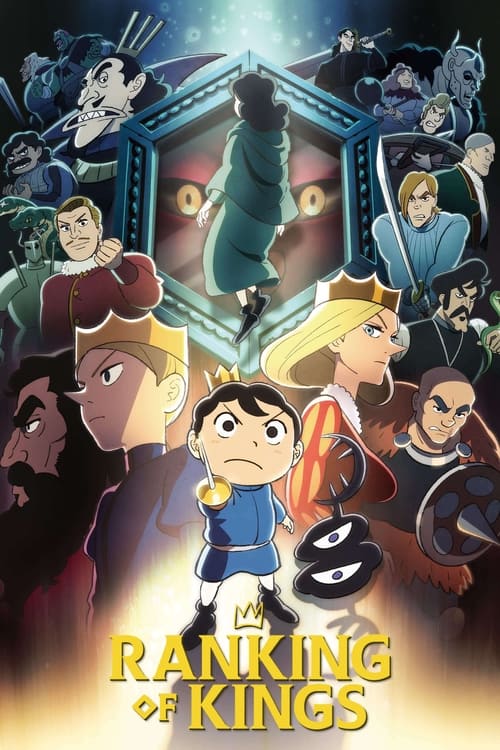
In the kingdom of Bosse, a young prince named Bojji is born to King Bosse and Queen Hilling. Bojji is deaf and unable to speak, which leads many to underestimate him. His father, King Bosse, is a powerful giant, and the kingdom has a tradition of ranking princes based on their strength and abilities. Bojji's older brother, Daida, is favored due to his physical prowess and the expectations placed upon him as the next king.
As Bojji grows up, he faces bullying and ridicule from the court and even from his own family. Despite his challenges, he remains kind-hearted and determined. One day, while exploring the castle, he meets a mysterious creature named Kage, a shadow-like being who becomes his first true friend. Kage understands Bojji and encourages him to pursue his dreams, despite the obstacles he faces.
Bojji's life takes a turn when King Bosse falls ill. The king's health deteriorates, and he is unable to fulfill his duties. In a desperate attempt to secure the throne, Daida is manipulated by the court and the powerful figures around him, who see Bojji as a liability. They convince Daida to challenge Bojji for the throne, leading to a confrontation between the brothers.
During the challenge, Bojji surprises everyone with his agility and cleverness, but he ultimately loses to Daida, who is fueled by the pressure of the court. Daida is crowned king, but he struggles with the weight of the crown and the expectations placed upon him. Meanwhile, Bojji, feeling rejected, decides to leave the castle and embark on a journey to prove his worth.
As Bojji travels, he encounters various characters, including a skilled warrior named Domas, who initially doubts Bojji's abilities but eventually becomes an ally. Bojji also faces numerous challenges, including battles with monsters and other adversaries, showcasing his resilience and determination. Throughout his journey, he learns to harness his unique skills and gains confidence in himself.
Back in the kingdom, Daida's reign is marked by turmoil. He is influenced by the manipulative figures around him, including the scheming minister, who seeks to control the throne for his own gain. Daida struggles with his decisions, often feeling torn between his loyalty to his brother and the expectations of the court.
As Bojji continues to grow stronger, he uncovers secrets about his family's past, including the truth about his mother's lineage and the hidden powers that lie within him. This revelation fuels his determination to return to the kingdom and reclaim his rightful place as the true king.
The climax of the story occurs when Bojji confronts Daida and the corrupt forces within the kingdom. A fierce battle ensues, showcasing Bojji's growth and newfound abilities. He fights not only for himself but for the people of Bosse, who have suffered under the oppressive rule of those in power.
In the final confrontation, Bojji's courage and compassion shine through. He manages to defeat the antagonists, including the minister, and ultimately reconciles with Daida. The brothers come to understand each other's struggles and strengths, leading to a powerful moment of unity.
The series concludes with Bojji being recognized as a worthy king, not for his physical strength but for his heart and determination. He and Daida work together to rebuild the kingdom, ensuring that it is a place where everyone, regardless of their abilities, can thrive. The bond between the brothers deepens, and they embrace their roles as leaders, ready to face the future together.






What is the ending?
In the ending of "Ranking of Kings," Bojji, the young prince who is deaf and unable to speak, faces his greatest challenges yet. After a series of trials, he confronts his brother Daida, who has been possessed by the evil spirit of the former king. The climax unfolds as Bojji, with the help of his friends, fights to reclaim his brother and restore peace to the kingdom. Ultimately, Bojji's compassion and strength shine through, leading to a resolution that emphasizes the importance of understanding and love over power.
As the final episodes unfold, we see Bojji standing at the edge of a cliff, looking out over the vast kingdom he wishes to protect. The sun sets behind him, casting a warm glow that symbolizes hope. He is determined to save his brother Daida, who has been overtaken by the malevolent spirit of their father, the former king. Bojji's heart is heavy, but he knows he must confront the darkness that has consumed Daida.
In the next scene, we transition to Daida, who is in a state of turmoil, battling the spirit within him. He is torn between his own desires and the influence of the spirit, which seeks to dominate him completely. The internal struggle is palpable; Daida's face contorts with pain as he fights for control. The audience can feel the weight of his conflict, as he is both a victim and a villain in this moment.
Bojji, accompanied by his loyal friend Kage, approaches Daida with a mixture of fear and determination. Kage, who has been Bojji's steadfast companion throughout their journey, stands by his side, ready to support him. The bond between the two friends is evident; they have faced countless challenges together, and this moment is no different. Bojji reaches out to Daida, his expression filled with empathy and love, hoping to reach the brother he once knew.
As Bojji speaks to Daida, the scene shifts to a flashback of their childhood, showcasing moments of joy and brotherhood. The audience is reminded of the innocence they once shared, which contrasts sharply with the current turmoil. Bojji's voice, though silent, resonates with sincerity and warmth, and he conveys his unwavering belief in Daida's goodness.
In a climactic moment, the spirit within Daida lashes out, causing chaos around them. The ground shakes, and the air crackles with tension. Bojji stands firm, his resolve unshaken. He believes in the power of love and understanding, and he refuses to give up on his brother. With a deep breath, he steps forward, reaching out to Daida once more, this time with a sense of urgency.
The confrontation reaches its peak as Bojji's compassion breaks through the darkness surrounding Daida. The spirit, sensing the bond between the brothers, begins to weaken. Daida's internal struggle becomes more intense, and the audience can see the flicker of hope in his eyes as he fights against the spirit's control. In a moment of clarity, Daida remembers the love they shared as brothers, and he begins to regain control over his own body.
In a final act of defiance, Daida confronts the spirit, declaring that he will not be a pawn in its game. The spirit, enraged, lashes out one last time, but Bojji stands resolute, his presence a beacon of hope. The brothers unite their strength, and together they expel the spirit, freeing Daida from its grasp. The scene is filled with a sense of triumph and relief, as the brothers embrace, tears of joy streaming down their faces.
As the dust settles, the kingdom begins to heal. Bojji is crowned as the rightful king, not just because of his lineage, but because of his heart and the love he has shown. Daida, now free from the spirit's influence, stands by his brother's side, ready to support him as they rebuild their kingdom together. The final scenes depict the kingdom flourishing under their joint leadership, with citizens celebrating their unity and strength.
In the closing moments, Bojji and Daida look out over their kingdom, a sense of peace enveloping them. They have faced darkness and emerged stronger, embodying the show's core message: that true strength lies not in power or dominance, but in love, understanding, and the bonds of family. The screen fades to black, leaving the audience with a sense of hope and the promise of a brighter future for the kingdom of Bosse.
Is there a post-credit scene?
In the anime "Ranking of Kings," there is no post-credit scene. The series focuses on the journey of Bojji, a young prince who is deaf and unable to speak, as he strives to prove his worth and become a great king despite the challenges he faces. The narrative unfolds through his interactions with various characters, including his loyal friend Kage, and explores themes of friendship, courage, and the true meaning of strength. The absence of a post-credit scene allows the story to conclude on the emotional notes established throughout the series, emphasizing Bojji's growth and the bonds he has formed.
What are the abilities and challenges faced by Bojji, the main character?
Bojji, the first prince of the Kingdom of Bosse, is a young boy who is deaf and unable to speak. Despite his physical limitations, he possesses a strong will and an indomitable spirit. His challenges include overcoming the prejudice of those around him who underestimate him due to his disabilities. Throughout the series, Bojji's determination to prove himself as a worthy king drives him to embark on a journey filled with trials, where he learns to harness his unique abilities, including his exceptional agility and combat skills.
What is the significance of Kage in Bojji's journey?
Kage, a shadow creature, becomes Bojji's closest companion and ally. Initially, Kage is a thief who has his own tragic backstory, having lost his family and living in the shadows. His relationship with Bojji evolves from one of mere survival to a deep bond of friendship. Kage serves as Bojji's voice, helping him communicate with others and navigate the world. Their partnership highlights themes of loyalty and understanding, as Kage learns to see Bojji's true strength beyond his disabilities.
How does the rivalry between Bojji and his brother Daida develop throughout the series?
Daida, Bojji's younger brother, is initially portrayed as the favored prince, embodying the qualities of a traditional warrior. However, as the story progresses, Daida's character becomes more complex. He struggles with feelings of jealousy and the pressure of living up to expectations. Their rivalry intensifies as Daida is manipulated by external forces, leading to a series of confrontations that test their familial bond. Ultimately, Daida's journey reveals his internal conflict and desire for recognition, culminating in moments of both conflict and reconciliation with Bojji.
What role does the Kingdom of Bosse play in shaping the characters' destinies?
The Kingdom of Bosse serves as the backdrop for the characters' growth and conflicts. It is a realm filled with magic, political intrigue, and the weight of royal expectations. The kingdom's perception of strength and power heavily influences Bojji and Daida's paths. As Bojji seeks to prove his worth, he faces the harsh realities of a society that values physical prowess over compassion. The kingdom's challenges, including threats from rival nations and internal strife, force both brothers to confront their identities and the true meaning of leadership.
What are the key moments that showcase Bojji's growth as a character?
Bojji's growth is marked by several pivotal moments throughout the series. One significant scene occurs when he faces a formidable opponent in a duel, showcasing his agility and strategic thinking despite his physical limitations. Another key moment is when he saves Kage from danger, demonstrating his bravery and selflessness. Additionally, Bojji's interactions with various characters, including mentors and adversaries, help him develop confidence and resilience. These experiences culminate in his realization that true strength lies not just in physical ability but in kindness and determination.
Is this family friendly?
"Ranking of Kings" is generally considered family-friendly, but it does contain some scenes and themes that may be upsetting or objectionable for younger viewers or sensitive individuals. Here are some aspects to be aware of:
-
Violence and Battles: The show features scenes of combat and violence, including sword fights and battles that can be intense. Characters may be injured or face life-threatening situations.
-
Death and Loss: There are moments that involve the death of characters, which can be emotionally heavy. The impact of loss is explored, affecting the characters deeply.
-
Bullying and Isolation: The protagonist, Bojji, faces bullying and ridicule due to his physical limitations and inability to speak. This theme of isolation and the emotional toll it takes can be distressing.
-
Dark Themes: The narrative delves into themes of betrayal, jealousy, and the struggle for power, which may be complex for younger audiences to fully grasp.
-
Emotional Struggles: Characters experience significant emotional turmoil, including feelings of inadequacy, fear, and despair, which may resonate strongly with sensitive viewers.
While the show has a heartwarming core and promotes themes of friendship, perseverance, and self-acceptance, these elements may require parental guidance for younger audiences.