



Popular
What motivates Jung Nam to pursue a career in fashion despite the challenges she faces?
How does the relationship between Jung Nam and her mentor evolve throughout the series?
What role does the antagonist play in Jung Nam's journey, and how does their conflict unfold?
How does Jung Nam's personal life impact her professional aspirations?
What significant turning points shape Jung Nam's character throughout the series?
Should I watch it?
Ask Your Own Question

What is the plot?
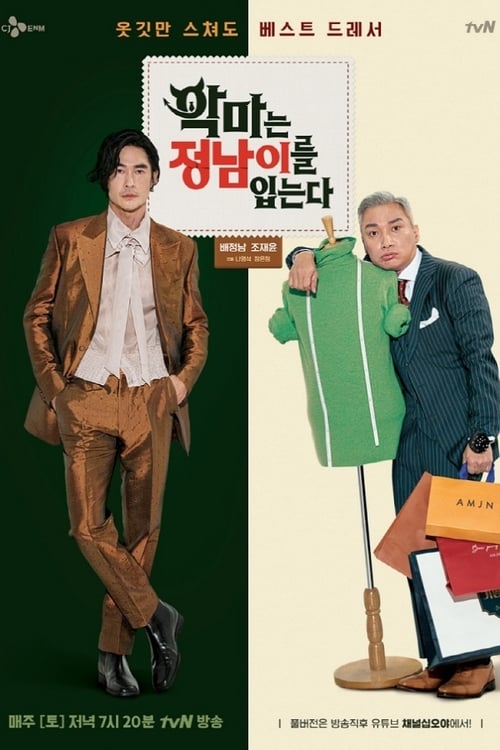
In the opening scene of "The Devil Wears Jung Nam," we are introduced to Jung Nam, a young and ambitious woman who has just graduated from a prestigious fashion school. She is filled with dreams of making it big in the fashion industry. The scene is set in a bustling city, with Jung Nam navigating through the crowded streets, her eyes sparkling with hope and determination. She receives a call from her mother, who expresses her concerns about Jung Nam's future, but Jung Nam reassures her that she will succeed.
Jung Nam lands an interview at a high-profile fashion magazine, where she meets the formidable editor-in-chief, Min Ji. Min Ji is portrayed as a strict and demanding boss, known for her high standards and no-nonsense attitude. During the interview, Jung Nam is nervous but tries to impress Min Ji with her knowledge of fashion trends. Min Ji, however, is unimpressed and challenges Jung Nam with tough questions. Despite the pressure, Jung Nam manages to hold her ground, and Min Ji reluctantly offers her an internship, setting the stage for the intense relationship that will develop between them.
As Jung Nam begins her internship, she quickly realizes the cutthroat nature of the fashion world. She is assigned to work under the guidance of her colleague, Soo Hyun, who is both supportive and competitive. Soo Hyun helps Jung Nam navigate the office dynamics, but also warns her about Min Ji's harsh methods. Jung Nam's first task is to organize a fashion show, and she throws herself into the work, determined to prove herself. The pressure mounts as the deadline approaches, and Jung Nam faces numerous challenges, including last-minute changes and demanding models.
During the fashion show, Jung Nam's hard work pays off as the event is a success. However, Min Ji remains critical, pointing out minor flaws that Jung Nam had overlooked. This moment serves to deepen Jung Nam's resolve; she vows to improve and earn Min Ji's respect. The emotional toll of the job begins to weigh on her, and she struggles to balance her personal life with her demanding career. Jung Nam's relationship with her friends starts to suffer as she becomes more consumed by her work.
As the story progresses, Jung Nam discovers that Min Ji has a complicated past that influences her current behavior. Flashbacks reveal Min Ji's own struggles in the fashion industry, including betrayals and failures that have hardened her. Jung Nam begins to empathize with Min Ji, seeing her not just as a boss but as a woman who has fought hard to get where she is. This realization shifts Jung Nam's perspective, and she starts to approach her work with a newfound understanding of the pressures Min Ji faces.
A pivotal moment occurs when Jung Nam is given the opportunity to lead a major project for an upcoming fashion week. This is a turning point for her character, as she must confront her insecurities and step up as a leader. She assembles a team, including Soo Hyun, and they work tirelessly to create a stunning collection. However, tensions rise as Soo Hyun feels overshadowed and begins to sabotage Jung Nam's efforts, leading to a dramatic confrontation between the two.
In a climactic scene, Jung Nam discovers Soo Hyun's betrayal just days before the fashion show. Feeling betrayed and hurt, she confronts Soo Hyun, who reveals her own fears of being replaced. This confrontation forces Jung Nam to reflect on her own ambitions and the cost of success. Ultimately, Jung Nam decides to forgive Soo Hyun, realizing that collaboration is more important than competition. They work together to salvage the project, and their bond strengthens as they unite against the challenges they face.
The fashion show arrives, and Jung Nam's collection receives rave reviews. Min Ji, initially skeptical, is impressed by Jung Nam's growth and leadership. In a moment of vulnerability, Min Ji acknowledges her own struggles and offers Jung Nam a more significant role within the magazine. This marks a turning point in their relationship, as Jung Nam earns Min Ji's respect and admiration.
As the season progresses, Jung Nam continues to navigate the complexities of the fashion industry, facing new challenges and rivalries. She learns to assert herself while maintaining her integrity, and her character evolves from a naive intern to a confident professional. The series culminates in a dramatic finale where Jung Nam must make a choice between a lucrative job offer abroad and staying to help her friends and colleagues at the magazine. Ultimately, she chooses to stay, solidifying her commitment to her career and the relationships she has built.
The final scenes depict Jung Nam standing confidently in front of her colleagues, ready to take on new challenges. The camera pans out, showing her surrounded by friends and allies, symbolizing her growth and the journey she has undertaken throughout the series. The story concludes with a sense of hope and determination, leaving viewers inspired by Jung Nam's resilience and ambition in the face of adversity.





What is the ending?
In the ending of "The Devil Wears Jung Nam," Jung Nam confronts her boss, the powerful and demanding fashion magazine editor, and ultimately decides to leave her job to pursue her own dreams. This decision leads to a bittersweet farewell with her colleagues, who have become friends. The series concludes with Jung Nam finding her own path in the fashion industry, embracing her individuality and creativity.
As the final episodes unfold, we see Jung Nam grappling with her feelings of inadequacy and the pressure of her high-stakes job. The tension builds as she faces increasingly unreasonable demands from her boss, who embodies the cutthroat nature of the fashion world. In a pivotal scene, Jung Nam is tasked with organizing a major fashion event, and the stress begins to take a toll on her mental health.
Scene by scene, the narrative progresses as follows:
In the first scene of the finale, Jung Nam is seen in her cluttered office, papers strewn everywhere, her face a mask of exhaustion. The camera zooms in on her weary eyes, reflecting her internal struggle. She receives a call from her boss, who berates her for a minor mistake, pushing her to the brink. The pressure mounts as she realizes that her personal life is suffering; her friends and family express concern over her well-being.
The next scene shifts to a meeting with her colleagues, where they discuss the upcoming fashion event. The atmosphere is tense, filled with unspoken fears and anxieties. Jung Nam tries to rally her team, but her voice trembles with uncertainty. Her colleagues, sensing her distress, offer support, but the weight of her responsibilities feels overwhelming.
As the event approaches, Jung Nam has a moment of clarity while reflecting on her journey. She recalls her initial passion for fashion, the joy it brought her, and the creative spark that has been dimmed by the relentless demands of her job. This introspection leads to a pivotal moment where she decides she can no longer sacrifice her happiness for a job that drains her spirit.
In a climactic scene, Jung Nam confronts her boss in a high-stakes meeting. The tension is palpable as she stands her ground, expressing her desire to leave the company. Her boss, taken aback, tries to manipulate her into staying, but Jung Nam's resolve is unshakeable. The confrontation is charged with emotion, showcasing Jung Nam's growth from a timid employee to a confident individual who knows her worth.
The farewell scene is poignant, filled with mixed emotions. Jung Nam gathers her colleagues, who have become her support system, and shares her decision to leave. Tears are shed as they express their admiration for her courage. Each character reflects on their own struggles, and the bonds formed in the high-pressure environment are highlighted. Jung Nam's friends encourage her to pursue her dreams, reminding her of the talent and creativity she possesses.
In the final moments, we see Jung Nam stepping out of the office building, a sense of liberation washing over her. The camera captures her walking down the street, the city bustling around her, symbolizing new beginnings. She smiles, a genuine expression of hope and determination, as she envisions a future where she can embrace her individuality in the fashion world.
The series concludes with a montage of Jung Nam exploring various creative avenues, showcasing her designs and collaborating with other artists. The final shot lingers on her face, radiating confidence and joy, as she embarks on a new chapter in her life, free from the constraints of her past job.
In summary, the fates of the main characters are intertwined with Jung Nam's journey. Her boss remains entrenched in the cutthroat fashion world, while her colleagues find inspiration in Jung Nam's bravery. Jung Nam's decision to leave signifies a powerful message about self-empowerment and the importance of pursuing one's passions, ultimately leading to a fulfilling life.
Is there a post-credit scene?
In "The Devil Wears Jung Nam," there is indeed a post-credit scene that adds a layer of depth to the story. After the main credits roll, the scene opens in a bustling café where Jung Nam, the protagonist, is seen sitting alone at a table, sipping her coffee. The atmosphere is lively, with the sounds of chatter and clinking cups surrounding her.
As she gazes out the window, a contemplative expression crosses her face, reflecting her journey throughout the series. The camera zooms in on her face, capturing the mix of determination and vulnerability that has defined her character. Just then, her phone buzzes on the table, breaking her reverie. She picks it up and sees a message from her former boss, hinting at a potential collaboration that could change her career trajectory.
The scene shifts slightly as Jung Nam's eyes light up with a flicker of hope and excitement. She takes a deep breath, contemplating her next move. The camera lingers on her face, showcasing the internal conflict between her past experiences and the new opportunities ahead. The scene ends with her smiling softly, a sense of resolve washing over her as she types a response, signaling her readiness to embrace the future.
This post-credit moment encapsulates Jung Nam's growth and sets the stage for her continued evolution, leaving viewers with a sense of anticipation for what lies ahead in her journey.
What motivates Jung Nam to pursue a career in fashion despite the challenges she faces?
Jung Nam is driven by her passion for fashion and a desire to prove herself in a competitive industry. Her background in a small town and her struggles with self-doubt fuel her determination to succeed, as she seeks validation and a sense of belonging in the fast-paced world of high fashion.
How does the relationship between Jung Nam and her mentor evolve throughout the series?
Initially, Jung Nam's mentor is critical and demanding, pushing her to her limits. However, as Jung Nam proves her resilience and creativity, their relationship transforms into one of mutual respect and support. This evolution highlights Jung Nam's growth as a designer and her mentor's recognition of her potential.
What role does the antagonist play in Jung Nam's journey, and how does their conflict unfold?
The antagonist, a rival designer, embodies the cutthroat nature of the fashion industry. Their conflict escalates as they compete for the same opportunities, leading to sabotage and intense rivalry. This antagonism forces Jung Nam to confront her insecurities and ultimately strengthens her resolve to succeed.
How does Jung Nam's personal life impact her professional aspirations?
Jung Nam's personal life is fraught with challenges, including strained family relationships and romantic entanglements. These elements create emotional turmoil that affects her focus and creativity at work. As she navigates these personal struggles, she learns to balance her ambitions with her emotional well-being, which becomes a pivotal aspect of her character development.
What significant turning points shape Jung Nam's character throughout the series?
Key turning points include her first major fashion show, where she overcomes her fears and impresses critics, and a betrayal by a close friend that forces her to reevaluate her trust in others. Each of these moments serves to deepen her character, showcasing her resilience and adaptability in the face of adversity.
Is this family friendly?
"The Devil Wears Jung Nam," produced in 2020, is a drama that explores themes of ambition, rivalry, and personal growth within the fashion industry. While the show has engaging storylines and character development, it does contain some elements that may not be suitable for younger audiences or sensitive viewers.
-
Workplace Rivalry: The show features intense competition among characters, which can lead to emotional distress and conflict. This rivalry may include manipulative behavior and backstabbing, which could be upsetting for children.
-
Romantic Relationships: There are romantic subplots that involve complex relationships, including jealousy and heartbreak. These themes may be difficult for younger viewers to understand fully.
-
Emotional Turmoil: Characters often experience significant emotional struggles, including anxiety, stress, and feelings of inadequacy. These portrayals can be intense and may resonate deeply with sensitive viewers.
-
Mature Themes: The series touches on themes of ambition and the sacrifices made for success, which may include discussions of personal ethics and moral dilemmas that could be challenging for younger audiences.
-
Visuals of Fashion Industry Pressure: The high-pressure environment of the fashion world is depicted, showcasing the toll it takes on individuals, which may be distressing for some viewers.
Overall, while "The Devil Wears Jung Nam" offers a compelling narrative, its themes and emotional depth may not be suitable for all children or sensitive individuals. Viewer discretion is advised.