










Popular
What motivates Inspector Ricciardi in his investigations throughout the series?
How does Ricciardi's relationship with the people around him affect his work?
What role does the setting of 1930s Naples play in the story?
How does Inspector Ricciardi cope with the emotional toll of his gift?
What is the significance of the recurring theme of death in Ricciardi's investigations?
Should I watch it?
Ask Your Own Question

What is the plot?
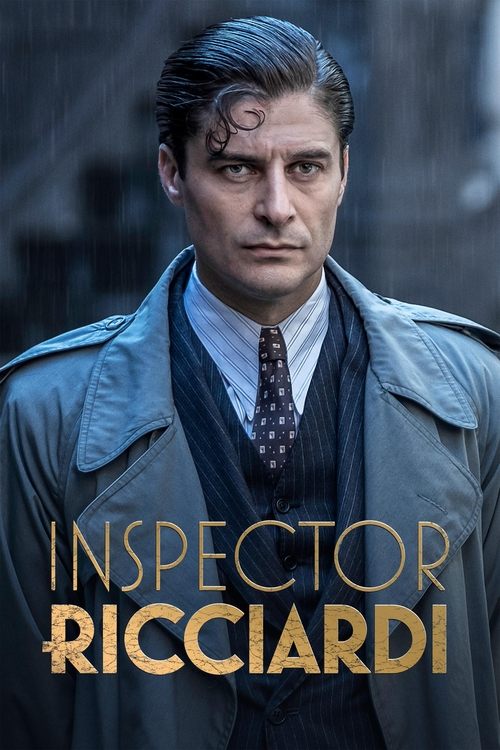
In 1930s Naples, the story begins with Inspector Luigi Ricciardi, a man haunted by the ability to see the last moments of the deceased. He is called to a crime scene where a young woman, Maria, has been found dead in a local park. The scene is grim, with the body lying amidst the fallen leaves, and Ricciardi's gaze is drawn to the expression on her face, which reveals her fear and despair. As he investigates, he feels the weight of her tragic end, and the vision of her last moments lingers in his mind.
Ricciardi interviews witnesses, including Maria's friends, who describe her as a vibrant young woman with dreams of becoming a singer. They mention her recent relationship with a wealthy man, which raises suspicions. The inspector's internal struggle is evident as he grapples with his gift, feeling both a burden and a responsibility to uncover the truth. He is also haunted by his own past, particularly the death of his mother, which adds layers to his character.
As the investigation progresses, Ricciardi learns about the wealthy man, a local aristocrat named Vittorio, who has a reputation for being charming yet dangerous. Ricciardi visits Vittorio's lavish estate, where he encounters a tense atmosphere. Vittorio is evasive during questioning, and Ricciardi senses that he is hiding something. The inspector's intuition tells him that Vittorio's charm masks a darker side, and he becomes increasingly determined to uncover the truth.
Ricciardi's investigation leads him to a local bar where he meets a group of Maria's acquaintances. They share stories about her aspirations and hint at jealousy from others in her circle. One of the friends, a singer named Rosa, reveals that Maria had been involved in a love triangle, which complicates the case further. Ricciardi's empathy for the victims deepens as he learns more about their lives, and he feels a growing urgency to bring justice to Maria.
The plot thickens when another murder occurs, this time a man connected to Vittorio. The body is discovered in a similar manner, and Ricciardi realizes that the two cases are linked. He begins to suspect that Vittorio may be involved in a larger conspiracy. As he delves deeper, he faces resistance from the local authorities, who are reluctant to confront the powerful aristocrat. Ricciardi's determination only intensifies, and he becomes more isolated in his pursuit of the truth.
Ricciardi's investigation takes a personal turn when he encounters a woman named Enrica, who becomes a source of emotional support for him. Their relationship develops, and she encourages him to confront his fears and embrace his abilities. Enrica's presence brings a glimmer of hope to Ricciardi's otherwise dark world, and he finds solace in their connection. However, he remains haunted by the visions of the dead, which continue to plague him.
As Ricciardi pieces together the evidence, he uncovers a web of deceit involving Vittorio and his associates. He discovers that Maria had threatened to expose Vittorio's illicit activities, which included drug trafficking and exploitation of young women. This revelation adds urgency to Ricciardi's investigation, as he realizes that time is running out for those who may be in danger. He confronts Vittorio again, but the aristocrat remains smug and confident, believing he is untouchable.
In a climactic confrontation, Ricciardi gathers enough evidence to confront Vittorio publicly. He organizes a meeting with the local authorities and presents his findings, revealing the connections between the murders and Vittorio's criminal empire. The tension in the room is palpable as Ricciardi lays out the case, and Vittorio's facade begins to crack. However, Vittorio's influence proves formidable, and he attempts to discredit Ricciardi, leading to a tense standoff.
The final act unfolds as Ricciardi receives a tip-off about a planned escape by Vittorio. He races against time to prevent the aristocrat from fleeing justice. In a dramatic chase through the streets of Naples, Ricciardi confronts Vittorio in a deserted alley. The confrontation is intense, with Ricciardi's emotions boiling over as he grapples with his own demons. Ultimately, Ricciardi manages to apprehend Vittorio, but not without a struggle that leaves both men physically and emotionally scarred.
In the aftermath, Ricciardi reflects on the toll the case has taken on him. He visits Maria's grave, feeling a sense of closure but also the weight of the lives lost. The series ends with Ricciardi standing alone, contemplating his role as a detective and the burden of his gift, as the camera pans out to capture the haunting beauty of Naples, a city filled with secrets and shadows.






What is the ending?
In the ending of the TV show "Inspector Ricciardi," the story culminates in a tense confrontation that reveals deep emotional truths and resolves the central mystery. Inspector Ricciardi faces the consequences of his relentless pursuit of justice, while the fates of the characters intertwine in a poignant conclusion.
As the final episodes unfold, Inspector Ricciardi, burdened by his ability to see the dead and haunted by the past, finds himself at a critical juncture. He confronts the murderer he has been tracking, leading to a dramatic showdown. The emotional weight of his investigations weighs heavily on him, as he grapples with the loss of loved ones and the impact of his work on his own psyche.
In the climax, Ricciardi's determination to bring justice to the victims culminates in a confrontation that tests his moral compass. The murderer, cornered and desperate, reveals their motivations, providing a chilling insight into the darkness that drives them. Ricciardi, torn between his duty and his empathy, must make a choice that will define his character.
As the dust settles, the fates of the main characters are revealed. Ricciardi, having solved the case, is left with a bittersweet sense of closure but also a profound loneliness. His relationship with the people around him, particularly with the strong-willed and compassionate Enrica, remains unresolved, highlighting the emotional toll of his work.
The series concludes with Ricciardi walking through the streets of Naples, a city filled with memories and ghosts, symbolizing his ongoing struggle with the past and the burden of his gift. The final scene leaves viewers with a sense of lingering melancholy, as Ricciardi continues his journey, forever marked by the lives he has touched and the mysteries he has unraveled.
In the final moments of "Inspector Ricciardi," the tension reaches its peak as the inspector stands at the edge of a dimly lit alley, the air thick with anticipation. The camera pans to his face, capturing the furrowed brow and the deep-set eyes that reflect both determination and sorrow. He has been chasing the elusive murderer, a figure cloaked in shadows, whose actions have left a trail of devastation in their wake.
The scene shifts to a flashback, revealing Ricciardi's past encounters with the victims, their faces haunting him as he recalls their stories. Each memory is a reminder of the lives lost and the justice that remains unserved. The emotional weight of these recollections fuels his resolve, pushing him forward into the confrontation that awaits.
As Ricciardi approaches the murderer, the atmosphere crackles with tension. The murderer, cornered and desperate, reveals their motivations in a chilling monologue, exposing the pain and trauma that led them down this dark path. The dialogue is sharp, filled with raw emotion, as Ricciardi listens intently, his heart heavy with empathy. He understands the complexities of human nature, yet he cannot condone the violence that has transpired.
In a moment of vulnerability, Ricciardi grapples with his own demons, questioning whether he can truly bring justice to those who have suffered. The internal conflict is palpable, as he weighs the consequences of his actions against the need for closure. The camera captures the flicker of doubt in his eyes, a testament to the burden he carries as an inspector who sees the dead.
The confrontation escalates, and Ricciardi makes a decisive move, leading to a tense standoff. The scene is charged with emotion, as the inspector's resolve solidifies. He knows that he must act, not just for the victims, but for himself. The moment is a culmination of his journey, a testament to his unwavering commitment to justice, even in the face of personal sacrifice.
As the dust settles, the aftermath of the confrontation unfolds. Ricciardi stands alone, the weight of his choices heavy on his shoulders. The murderer is apprehended, but the victory feels hollow. The camera lingers on Ricciardi's face, capturing the mix of relief and sorrow that washes over him. He has solved the case, but at what cost?
In the final scenes, Ricciardi's relationship with Enrica is left in a state of uncertainty. Their connection, forged through shared experiences and mutual understanding, hangs in the balance. Enrica, a beacon of light in Ricciardi's dark world, watches him with concern, sensing the emotional turmoil that he cannot fully express. Their unspoken bond is a poignant reminder of the personal sacrifices that come with Ricciardi's relentless pursuit of justice.
The series concludes with Ricciardi walking through the bustling streets of Naples, the vibrant city alive with color and sound, yet he feels an overwhelming sense of isolation. The camera captures the juxtaposition of his solitary figure against the backdrop of a lively city, symbolizing the ghosts that linger in his heart. As he walks, the echoes of the past follow him, a constant reminder of the lives he has touched and the mysteries he continues to unravel.
In this final moment, the series leaves viewers with a profound sense of melancholy, as Ricciardi's journey is far from over. He remains a guardian of justice, forever marked by the shadows of his past, navigating a world filled with both beauty and sorrow. The ending encapsulates the essence of his character--a man driven by duty, yet haunted by the weight of his gift, destined to continue his quest for truth amidst the ghosts of those he has lost.
Is there a post-credit scene?
The TV show "Inspector Ricciardi," produced in 2021, does not feature a post-credit scene. The series concludes its episodes without any additional scenes after the credits, focusing instead on the resolution of the main plotlines and character arcs within the episodes themselves. Each episode wraps up the mystery and emotional journeys of the characters, particularly Inspector Ricciardi, without extending into a post-credit narrative.
What motivates Inspector Ricciardi in his investigations throughout the series?
Inspector Ricciardi is driven by a deep sense of justice and a personal burden stemming from his ability to see the last moments of the deceased. This unique gift, or curse, compels him to solve murders not only to bring closure to the victims but also to alleviate his own emotional turmoil. His internal struggle is palpable as he grapples with the weight of the lives he witnesses ending, which fuels his relentless pursuit of truth.
How does Ricciardi's relationship with the people around him affect his work?
Ricciardi's relationships are complex and often strained due to his solitary nature and the burden of his gift. His interactions with his colleagues, particularly with the loyal and supportive Maione, reveal his vulnerability. Maione often acts as a bridge between Ricciardi and the world, providing emotional support while also challenging Ricciardi's more cynical views. This dynamic showcases Ricciardi's internal conflict between wanting to connect with others and the isolation his abilities impose on him.
What role does the setting of 1930s Naples play in the story?
The setting of 1930s Naples is integral to the narrative, providing a rich backdrop that enhances the story's atmosphere. The vibrant yet tumultuous streets reflect the socio-political climate of the time, influencing the characters' motivations and actions. The city's beauty contrasts sharply with the dark themes of murder and despair, creating a poignant tension that underscores Ricciardi's investigations. The local culture, traditions, and the palpable sense of history shape the characters' interactions and the unfolding of the plot.
How does Inspector Ricciardi cope with the emotional toll of his gift?
Inspector Ricciardi copes with the emotional toll of his gift through a combination of solitude and moments of introspection. He often retreats into his thoughts, reflecting on the lives he witnesses and the injustices he seeks to rectify. His coping mechanisms include a deep connection to music, particularly the haunting melodies that resonate with his sorrow. These moments of solace provide him with temporary relief from the weight of his visions, yet they also highlight his ongoing struggle with the emotional burden he carries.
What is the significance of the recurring theme of death in Ricciardi's investigations?
The recurring theme of death in Ricciardi's investigations serves as a catalyst for exploring the fragility of life and the impact of loss on the living. Each murder case he encounters is not just a puzzle to be solved but a reflection of the human condition, revealing the complexities of love, betrayal, and despair. This theme deepens the narrative, as Ricciardi's encounters with death force him to confront his own fears and regrets, ultimately shaping his character development throughout the series.
Is this family friendly?
"Inspector Ricciardi," produced in 2021, is a crime drama set in 1930s Naples, following the titular character, Inspector Ricciardi, who has the ability to see the last moments of murder victims. While the show is rich in atmosphere and character development, it does contain elements that may not be suitable for children or sensitive viewers.
Potentially objectionable or upsetting aspects include:
-
Violence and Murder: The series revolves around murder investigations, featuring scenes of crime scenes, dead bodies, and discussions of violent deaths, which may be disturbing.
-
Emotional Trauma: Characters often grapple with grief, loss, and the psychological impact of violence, which can evoke strong emotional responses.
-
Dark Themes: The show explores themes of despair, betrayal, and moral ambiguity, which may be heavy for younger audiences.
-
Historical Context: The setting in a tumultuous historical period may include references to societal issues and injustices that could be unsettling.
-
Intense Atmosphere: The overall tone of the series is somber and suspenseful, which might be too intense for younger viewers.
These elements contribute to a mature narrative that may not be appropriate for all audiences, particularly children or those sensitive to such themes.









