















Popular
Should I watch it?
Ask Your Own Question

What is the plot?
In 1996, a high school girls' soccer team from New Jersey, the Yellowjackets, boards a private plane to attend a national tournament in Seattle. Among the team members are Shauna, Jackie, Taissa, Misty, and Natalie. During the flight, the plane encounters severe turbulence and ultimately crashes in the remote wilderness of Canada. The crash results in the deaths of several passengers, including the pilot, leaving the survivors stranded without any means of communication or immediate rescue.
In the aftermath of the crash, the surviving girls grapple with their injuries and the shock of their situation. They establish a makeshift camp near the wreckage, scavenging for supplies and food. Tensions rise as they realize the gravity of their predicament. Jackie, the team captain, tries to maintain order, while Shauna begins to bond with her, revealing her insecurities about their friendship. Misty, the team's equipment manager, takes on a leadership role, showcasing her resourcefulness but also her manipulative tendencies.
As days turn into weeks, the group struggles with hunger and the harsh realities of survival. They attempt to hunt and forage, but their efforts yield little success. Shauna and Jackie's friendship begins to fray as Jackie feels overshadowed by Shauna's growing bond with the other girls. Meanwhile, Natalie, who has a troubled past, becomes increasingly cynical and skeptical of their chances for rescue. She forms a connection with Travis, one of the boys from the soccer team, which complicates the dynamics within the group.
The girls' situation worsens as they face the psychological toll of their isolation. Misty discovers a hidden talent for medicine and begins to take care of the injured, but her desire for control leads her to make questionable decisions. The group holds a meeting to discuss their next steps, and tensions boil over when they argue about whether to stay near the crash site or venture into the wilderness in search of help. Ultimately, they decide to stay put, hoping for rescue.
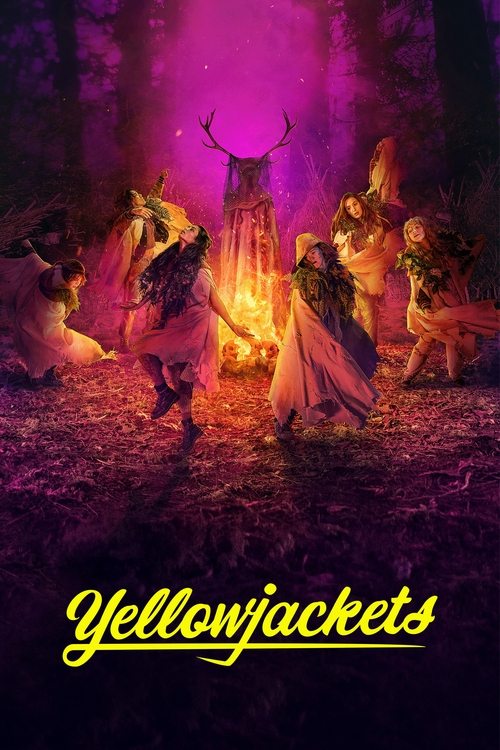
As time passes, the girls' desperation leads to a pivotal moment when they resort to hunting for food. They manage to kill a deer, which brings a temporary sense of triumph and unity. However, the act of killing awakens darker instincts within the group. They begin to engage in rituals surrounding the hunt, which leads to a growing sense of primal behavior. Shauna, who participates in the hunt, feels a rush of adrenaline and power, marking a significant shift in her character.
The group's dynamics continue to shift as they face internal conflicts. Jackie feels increasingly isolated and struggles with her leadership role. She confronts Shauna about her changing behavior, leading to a heated argument that culminates in Jackie feeling betrayed. Meanwhile, Misty's obsession with being needed grows, and she begins to manipulate situations to maintain her influence over the group.
As winter approaches, the girls face the harsh realities of survival. They build shelters and gather supplies, but the cold and hunger take a toll on their morale. The group fractures further as alliances shift. Taissa, who has a strong survival instinct, begins to take charge, but her decisions lead to conflict with Jackie and Misty. The tension culminates in a confrontation where Jackie is ostracized, leading her to feel abandoned.
In a desperate attempt to regain control, Misty orchestrates a plan to keep the group together by suggesting they perform a ritual to appease the wilderness. This idea is met with mixed reactions, but ultimately, the group agrees to participate. The ritual involves a symbolic act of sacrifice, which deepens their descent into primal behavior. The girls begin to embrace their darker instincts, leading to a chilling transformation in their personalities.
As the story progresses, the narrative shifts to the present day, where the surviving members of the Yellowjackets are now adults. Shauna is a mother, struggling with her past and the secrets she keeps. Natalie is dealing with her own demons, including substance abuse and trauma from the wilderness experience. Taissa is a successful politician, but her past haunts her, leading to strange occurrences in her life. Misty, now a nurse, remains fixated on the past and the bond she shared with the other girls.
The present-day storyline intertwines with flashbacks to their time in the wilderness, revealing how their experiences shaped their current lives. As they confront their past, they are drawn back together by a series of mysterious events that suggest someone is trying to uncover the truth about what happened during their time in the wilderness. The tension builds as they navigate their relationships and the secrets they've kept from each other.
In the final episodes, the group is forced to confront the reality of their shared trauma. They gather for a reunion, where old wounds are reopened, and the truth about their time in the wilderness begins to surface. The emotional weight of their experiences leads to a climactic confrontation, revealing the extent of their psychological scars and the impact of their survival on their lives.
The series concludes with a haunting sense of ambiguity, leaving the audience questioning the true nature of their experiences and the darkness that lies within each character. The final scenes hint at unresolved tensions and the possibility of further revelations, setting the stage for future exploration of their intertwined fates.









What is the ending?
In the ending of "Yellowjackets," the survivors of the plane crash confront their past and the darkness that has consumed them. The narrative culminates in a series of intense confrontations, revealing the deep-seated trauma and the lengths to which they will go to survive. The fate of the main characters is left ambiguous, with some facing dire consequences while others grapple with their choices.
As the final episodes unfold, the story alternates between the present day and the harrowing experiences of the girls in the wilderness. In the present, Shauna, Misty, Natalie, and Taissa are drawn back together by the secrets they share and the unresolved trauma from their time in the wilderness. Tensions rise as they confront their past actions, particularly the violent and primal behaviors that emerged during their survival.
In the wilderness timeline, the group is increasingly fractured. Shauna, who has become more ruthless, is willing to do whatever it takes to protect her family and her secrets. Misty, who has always been manipulative, continues to exert control over the group, while Natalie and Taissa struggle with their own demons. The group's descent into savagery culminates in a shocking act of violence that seals their fates.
The series ends with a sense of unresolved tension. The characters are left to grapple with the consequences of their actions, both in the wilderness and in their current lives. The final scenes leave viewers questioning the nature of survival, the bonds of friendship, and the darkness that lies within.
In a more detailed narrative:
The final episodes begin with the survivors in the present day, each dealing with the aftermath of their shared trauma in different ways. Shauna is shown navigating her life as a mother and wife, but her past continues to haunt her. She is increasingly paranoid and protective, especially regarding her daughter, Callie. The tension escalates when Callie discovers her mother's dark secrets, leading to a confrontation that reveals Shauna's willingness to go to extreme lengths to protect her family.
Misty, who has always been the manipulative force within the group, finds herself increasingly isolated as her friends begin to question her loyalty. She is desperate to maintain her connections, leading her to make dangerous choices that put her at odds with the others. Her obsession with the past and the group's shared experiences drives her actions, culminating in a betrayal that leaves her alone.
Natalie, who has been struggling with her own demons, seeks closure regarding the events of their time in the wilderness. She confronts the trauma head-on, attempting to reconnect with her past friends. However, her journey is fraught with danger as she becomes entangled in Misty's schemes and the group's unresolved conflicts. Her fate hangs in the balance as she faces the consequences of her choices.
Taissa, who has been grappling with her own dark side, is shown to be increasingly unstable. Her political ambitions clash with her past, and she is haunted by visions and memories that threaten to consume her. The culmination of her internal struggle leads to a shocking revelation about her character, leaving her fate uncertain as she confronts the darkness within.
In the wilderness timeline, the group's descent into savagery reaches a climax. The once close-knit team fractures as paranoia and fear take hold. Shauna's transformation into a more ruthless figure is evident as she makes decisions that prioritize her survival over the group's unity. The tension culminates in a violent confrontation that leaves several characters irrevocably changed.
The final scenes juxtapose the past and present, highlighting the characters' struggles with their identities and the choices they made. The series concludes with a haunting sense of ambiguity, leaving the audience to ponder the true nature of survival and the impact of trauma on the human psyche. Each character is left to face their own demons, with their fates intertwined in a web of secrets, violence, and the haunting memories of their time in the wilderness.
Is there a post-credit scene?
In the TV show "Yellowjackets," there is no post-credit scene at the end of the episodes. The series focuses on the harrowing survival story of a high school girls' soccer team whose plane crashes in the wilderness, interweaving their traumatic experiences in the wild with their present-day lives. Each episode concludes with a sense of tension and unresolved plot lines, but viewers are not treated to additional scenes after the credits roll. The narrative is tightly woven, leaving audiences eager for the next installment without the addition of post-credit content.
What happens to the Yellowjackets after the plane crash?
After the plane crash, the Yellowjackets, a high school girls' soccer team, find themselves stranded in the wilderness of Canada. They struggle to survive, facing harsh weather, dwindling supplies, and the psychological toll of their situation. As days turn into weeks, the group fractures, with some members forming alliances while others become increasingly desperate. The dynamics shift as they confront not only the challenges of survival but also their own moral boundaries.
How does Misty manipulate the group dynamics?
Misty, portrayed as the team's equipment manager, initially appears shy and awkward. However, as the situation escalates, she reveals a darker side. She manipulates the group by leveraging her knowledge of medicine and her willingness to take extreme measures to maintain control. Her actions, including sabotaging others' attempts to escape and forming a bond with the more dominant personalities, showcase her desire for acceptance and power within the group.
What role does Lottie play in the group's descent into chaos?
Lottie emerges as a pivotal character who begins to exhibit signs of a spiritual leader. As the group faces starvation and despair, she claims to have visions and a connection to a higher power. Her influence grows as she encourages the others to embrace primal instincts and rituals, leading to a significant shift in their behavior. Lottie's character embodies the tension between survival and the allure of savagery, ultimately contributing to the group's descent into chaos.
What is the significance of the symbol found in the wilderness?
The symbol, which resembles a mysterious totem, becomes a focal point for the Yellowjackets as they navigate their new reality. It represents the unknown forces at play in their survival and the psychological unraveling of the group. The symbol's presence evokes fear and curiosity, leading to various interpretations among the girls, and ultimately serves as a catalyst for their descent into superstition and violence.
How does Shauna cope with the trauma of the crash and its aftermath?
Shauna grapples with the trauma of the crash and the subsequent survival ordeal in deeply personal ways. Initially, she tries to maintain a sense of normalcy, but as the situation deteriorates, her coping mechanisms become more complex. She experiences flashbacks and emotional turmoil, struggling with guilt over her decisions and the loss of her friends. Her internal conflict is palpable, as she oscillates between moments of vulnerability and a fierce determination to survive, reflecting the psychological scars that the experience leaves on her.
Is this family friendly?
"Yellowjackets" is not considered family-friendly due to its mature themes and content. Here are some potentially objectionable or upsetting aspects that may affect children or sensitive viewers:
-
Graphic Violence: The show contains scenes of intense violence, including injuries and death, which can be quite graphic and disturbing.
-
Psychological Trauma: Characters experience significant psychological distress, including flashbacks and hallucinations, which may be unsettling.
-
Survival Situations: The narrative involves extreme survival scenarios that include starvation and desperation, leading to morally ambiguous decisions.
-
Self-Harm and Suicide: There are themes of self-harm and suicidal ideation that are explored through character arcs.
-
Substance Abuse: Characters engage in substance use, which is depicted in a serious context.
-
Sexual Content: The show includes mature sexual themes and situations that may not be appropriate for younger audiences.
-
Dark Themes: The overall tone of the series is dark, dealing with themes of trauma, loss, and the breakdown of social order.
These elements contribute to the show's intense atmosphere and may not be suitable for children or those who are sensitive to such content.









