
Popular
What events lead the main character, David Holthouse, to investigate the alleged Sasquatch killings?
How does Holthouse's personal history influence his investigation into the Sasquatch legend?
What role do the cannabis farmers play in the narrative, and how do their stories impact Holthouse's journey?
What evidence does Holthouse uncover that challenges or supports the existence of Sasquatch?
How does the documentary explore the theme of fear in relation to the Sasquatch legend?
Should I watch it?
Ask Your Own Question

What is the plot?
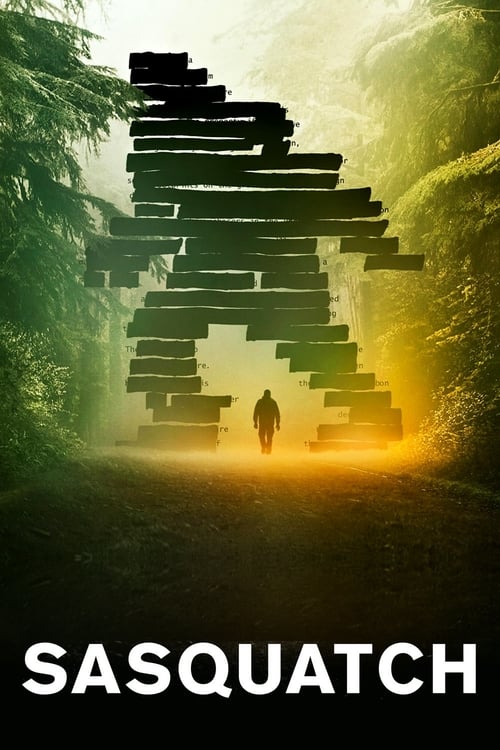
In the first episode of "Sasquatch," we are introduced to journalist David Holthouse, who recounts a harrowing experience from the late 1990s. He travels to a remote area of Northern California, specifically the Emerald Triangle, known for its marijuana cultivation. Holthouse is drawn to the region not only for its illicit activities but also for the local legends surrounding Sasquatch. He shares his memories of a trip to a marijuana farm where he heard a chilling story about a gruesome murder that allegedly involved a Sasquatch. This sets the stage for his investigation into the truth behind the legend and the events that transpired.
As Holthouse delves deeper into the story, he interviews various locals, including farmers and residents who have their own Sasquatch encounters. He learns about the mysterious disappearance of three men who were last seen at a pot farm. The narrative shifts to the perspective of these men, revealing their lives and the dangers they faced in the drug trade. Holthouse's interviews paint a vivid picture of the tension and fear that permeate the area, as he uncovers the dark underbelly of the marijuana industry and the potential connection to the Sasquatch myth.
In the following episodes, Holthouse continues his investigation, seeking out witnesses and piecing together the timeline of events surrounding the murders. He encounters skepticism and fear from those he interviews, many of whom are reluctant to discuss the incidents due to the potential repercussions from both law enforcement and the criminal elements in the area. Holthouse's determination grows as he becomes more invested in uncovering the truth, leading him to confront his own fears and the dangers of the region.
The narrative takes a turn when Holthouse discovers a key witness who claims to have seen the aftermath of the murders. This witness provides a graphic account of the scene, describing the bodies and the chaos that ensued. Holthouse's emotional state intensifies as he grapples with the horror of the details and the implications of what he is uncovering. He begins to question the nature of the Sasquatch legend and whether it serves as a cover for something far more sinister.
As the investigation progresses, Holthouse faces increasing threats from those who want to keep the truth hidden. He receives warnings to stop digging into the past, which heightens the tension and danger surrounding his quest. Despite the risks, Holthouse presses on, driven by a need for answers and a desire to bring justice to the victims. His journey becomes not only about Sasquatch but also about the human cost of the drug trade and the lives affected by violence.
In the climax of the series, Holthouse confronts the reality of the murders and the role that the Sasquatch legend plays in the community's psyche. He pieces together the final details of the case, revealing the identities of the victims and the circumstances of their deaths. The investigation culminates in a confrontation with individuals connected to the drug trade, where Holthouse must navigate the dangerous landscape of the Emerald Triangle while seeking the truth.
The series concludes with Holthouse reflecting on the impact of his investigation. He acknowledges the complexities of the stories he uncovered, the intertwining of myth and reality, and the lasting effects of violence in the community. The final scenes leave viewers with a sense of unresolved tension, as the legend of Sasquatch continues to loom large over the region, symbolizing both fear and fascination. Holthouse's journey serves as a haunting reminder of the darkness that can lurk beneath the surface of seemingly ordinary lives.
More TV Shows Like This
Browse All TV Shows →




What is the ending?
In the ending of "Sasquatch," the documentary culminates with the exploration of the mysterious events surrounding the alleged murder connected to Sasquatch. David Holthouse, the journalist, confronts the reality of the stories he has been investigating, leading to a deeper understanding of the myth and the people involved. The series concludes with a sense of ambiguity regarding the truth of Sasquatch and the events that transpired in the woods.
As the final episodes unfold, David Holthouse continues his investigation into the claims of a murder linked to Sasquatch sightings in the Northern California wilderness. He interviews various locals, including those who have had encounters with the creature, and those who have been affected by the violence in the area. The tension builds as he delves deeper into the lore surrounding Sasquatch, revealing the intertwining of myth and reality.
In a pivotal scene, Holthouse meets with a key witness who recounts the harrowing details of the alleged murder. The witness describes a night filled with fear, where the line between the supernatural and the brutal reality of human violence blurs. Holthouse's emotional state is palpable; he grapples with the weight of the stories he hears, feeling both drawn to the legend of Sasquatch and repulsed by the violence that surrounds it.
As the investigation progresses, Holthouse ventures into the dense forests where the alleged events took place. The atmosphere is thick with tension, the sounds of the wilderness amplifying his sense of isolation. He reflects on the nature of belief and the human need to find meaning in the unknown. The camera captures his internal struggle, showcasing his determination to uncover the truth while wrestling with the fear of what he might find.
In the final moments of the series, Holthouse confronts the ambiguity of his findings. He acknowledges that while he may never find definitive proof of Sasquatch or the murder, the stories and experiences of those he interviewed are real and impactful. The series closes with Holthouse standing in the forest, a symbolic representation of the unresolved mysteries that linger in the shadows. The fate of the main characters remains uncertain, as the series leaves viewers with lingering questions about the nature of truth, myth, and the human experience in the face of the unknown.
Is there a post-credit scene?
The TV show "Sasquatch," produced in 2021, does not feature a post-credit scene. The series concludes its narrative without any additional scenes after the credits roll. The focus remains on the exploration of the mysterious events surrounding the alleged Sasquatch-related murders in the California cannabis fields, leaving viewers with a sense of intrigue and contemplation about the stories shared throughout the episodes. The absence of a post-credit scene aligns with the documentary style of the series, emphasizing the real-life implications and emotional weight of the subject matter rather than providing a fictional or fantastical conclusion.
What events lead the main character, David Holthouse, to investigate the alleged Sasquatch killings?
David Holthouse, a journalist, is drawn into the investigation after hearing a chilling story from a group of cannabis farmers in Northern California. They recount a gruesome incident where they claim a Sasquatch killed three men in a violent confrontation. This shocking tale ignites Holthouse's curiosity and compels him to delve deeper into the mystery surrounding the supposed creature and the events that transpired.
How does Holthouse's personal history influence his investigation into the Sasquatch legend?
Holthouse's personal history, particularly his traumatic childhood experiences and his relationship with his father, shapes his motivations throughout the investigation. He grapples with themes of loss and the search for truth, which drive him to confront not only the myth of Sasquatch but also his own past. This emotional backdrop adds depth to his quest, as he seeks answers that resonate with his own life experiences.
What role do the cannabis farmers play in the narrative, and how do their stories impact Holthouse's journey?
The cannabis farmers serve as the catalyst for Holthouse's investigation, providing firsthand accounts of the alleged Sasquatch attack. Their fear and urgency paint a vivid picture of the dangers they believe lurk in the woods. As Holthouse interviews them, their stories reveal a complex interplay of local lore, fear of the unknown, and the harsh realities of life in the remote wilderness, which profoundly impacts his understanding of the legend and the community's psyche.
What evidence does Holthouse uncover that challenges or supports the existence of Sasquatch?
Throughout his investigation, Holthouse encounters various forms of evidence, including eyewitness accounts, physical traces, and local folklore. He visits the site of the alleged killings, where he finds remnants of the cannabis farm and hears conflicting stories from locals. This evidence is often ambiguous, leading him to question the reliability of the witnesses and the nature of the creature itself, creating a tension between belief and skepticism.
How does the documentary explore the theme of fear in relation to the Sasquatch legend?
The documentary intricately weaves the theme of fear throughout Holthouse's journey, showcasing how the legend of Sasquatch embodies the primal fears of the unknown and the wilderness. Interviews with locals reveal their deep-seated anxieties about the creature, which are often tied to their personal experiences and the dangers of their environment. This exploration of fear not only drives the narrative but also reflects Holthouse's own internal struggles as he confronts both the myth and his past.
Is this family friendly?
"Sasquatch," produced in 2021, is a true crime documentary series that delves into the mysterious and often dark world surrounding the legend of Bigfoot. The series contains several elements that may not be suitable for children or sensitive viewers.
-
Violence and Death: The series discusses a gruesome murder that allegedly took place in the woods, which may be disturbing for younger audiences. The details surrounding the crime are graphic and unsettling.
-
Drug Use: There are references to drug culture, particularly in the context of the cannabis industry in Northern California, which may include discussions of illegal activities and substance abuse.
-
Intense Themes: The exploration of fear, paranoia, and the unknown can create a tense atmosphere. The emotional weight of the characters' experiences may be overwhelming for some viewers.
-
Mature Language: The series includes strong language and adult themes, which may not be appropriate for younger viewers.
-
Supernatural Elements: While the focus is on real events, the discussions around Sasquatch and the folklore associated with it may be unsettling for those who are sensitive to supernatural themes.
Overall, "Sasquatch" is not considered family-friendly due to its mature content and themes.