













Popular
What is the significance of the Visual Prison in the story?
How does the relationship between Ange and the other vampires develop throughout the series?
What role does the character of Guilt play in the narrative?
How does the character of Lila impact the dynamics within the band?
What are the consequences of the characters' performances at the Visual Prison?
Should I watch it?
Ask Your Own Question

What is the plot?
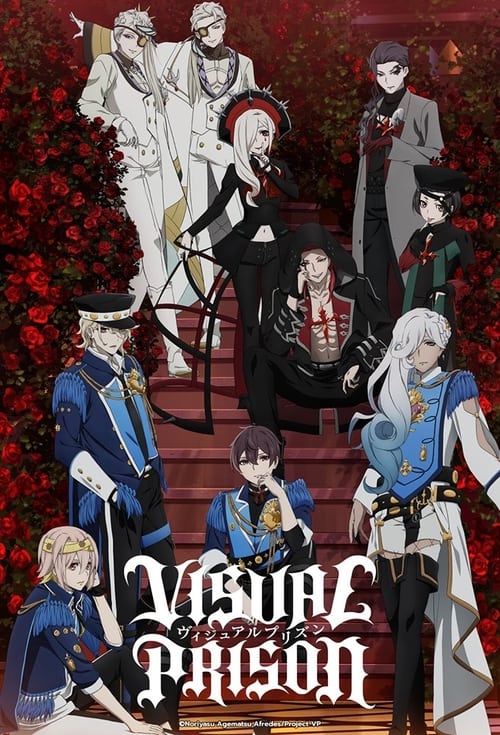
In the city of Harajuku, a mysterious event known as the "Visual Prison" takes place, where vampires gather to perform music. The story begins with a young man named Ange Yuki, who is searching for a place to belong. He is drawn to the allure of the Visual Prison and the music that resonates within it. Ange has a deep emotional connection to music, which serves as a means of expression for him. He is haunted by his past and the loss of his family, which drives his desire to find a sense of purpose.
Ange arrives at the Visual Prison and witnesses a performance by a vampire band called "ECLIPSE." The lead vocalist, a charismatic vampire named "Luca," captivates the audience with his powerful voice. During the performance, Ange feels an overwhelming connection to the music and the emotions it evokes. After the show, he encounters a mysterious figure named "Guil," who reveals that he is also a vampire and offers to introduce him to the world of Visual Prison.
As Ange becomes more involved with the vampires, he learns about the history of the Visual Prison and the significance of the music they create. He discovers that the vampires are bound by a curse that ties their existence to the music they perform. The more they sing, the stronger their powers become, but it also deepens their emotional struggles. Ange is drawn to the idea of helping them break free from their curse.
Ange's journey takes a turn when he meets another vampire named "Eve," who is part of a rival band called "FANG." Eve is initially hostile towards Ange, believing that he is a threat to their way of life. However, as they spend more time together, she begins to see his genuine desire to help the vampires. Their relationship evolves, and they form a bond based on mutual understanding and shared pain.
Tensions rise between ECLIPSE and FANG as they compete for dominance in the Visual Prison. A pivotal moment occurs during a battle of the bands, where both groups showcase their talents. The competition is fierce, and the stakes are high, as the winner will gain control over the Visual Prison. During the performance, Ange steps in to support Luca, who is struggling with his emotions. Together, they create a powerful moment that resonates with the audience, showcasing the strength of their connection.
As the rivalry escalates, secrets about the vampires' pasts are revealed. Ange learns that Luca and Eve share a tragic history, which complicates their relationships. The emotional turmoil leads to a confrontation between the two bands, resulting in a physical fight. The scene is intense, with both sides unleashing their frustrations and pain through their powers. Ange finds himself caught in the middle, trying to mediate and prevent further violence.
In the aftermath of the confrontation, the vampires are left to grapple with their emotions and the consequences of their actions. Ange takes it upon himself to bring the two groups together, believing that unity is the key to breaking the curse. He organizes a collaborative performance, where both bands can express their struggles and heal through music. The preparation for the performance is filled with tension, as old wounds resurface and trust is tested.
The night of the collaborative performance arrives, and the atmosphere is charged with anticipation. As they take the stage, Ange encourages both bands to share their stories through their songs. The performance becomes a cathartic experience, allowing the vampires to confront their pasts and find solace in each other. The emotional release is palpable, and the audience is moved by the raw honesty of the music.
However, just as the performance reaches its climax, a dark force emerges, threatening to disrupt the harmony they have created. This force is revealed to be a manifestation of their collective pain and unresolved issues. The vampires must confront this darkness together, using the power of their music to combat it. The battle is fierce, with each character facing their inner demons while supporting one another.
In a climactic moment, Ange steps forward, channeling his own pain and loss into the music. His determination inspires the vampires to unite their voices, creating a powerful harmony that overwhelms the darkness. The force dissipates, and the curse that binds them begins to lift. The victory is bittersweet, as the vampires realize that while they have overcome this challenge, their journey is far from over.
As the story concludes, Ange finds a sense of belonging among the vampires, having forged deep connections with them. Luca and Eve come to terms with their past and begin to heal, while the other members of ECLIPSE and FANG learn to embrace their shared experiences. The Visual Prison transforms into a place of hope and unity, where music serves as a bridge between their worlds. Ange's journey of self-discovery culminates in a newfound purpose, as he becomes an integral part of the vampire community, ready to face whatever challenges lie ahead.






What is the ending?
In the ending of Visual Prison, the story culminates in a dramatic confrontation between the main characters, leading to significant sacrifices and resolutions. The protagonist, Ange Yuki, faces off against the antagonist, the vampire known as the "Vampire King." The climax reveals deep emotional connections and the true nature of the characters' struggles. Ultimately, Ange and his friends find a way to confront their pasts and embrace their identities, leading to a bittersweet resolution.
As the final episodes unfold, the atmosphere is thick with tension and anticipation. The stage is set for the climactic confrontation at the Visual Prison, a place that has been central to the characters' struggles and growth. The scene opens with Ange Yuki standing at the edge of the prison, his heart racing as he prepares to face the Vampire King, who has been a looming threat throughout the series. The moonlight casts an ethereal glow, illuminating the determination etched on Ange's face.
Ange is joined by his friends, the members of the band "ECLIPSE," who have become his family throughout their journey. Each character is filled with a mix of fear and resolve, knowing that this battle is not just for their lives but for their identities and futures. The camaraderie among them is palpable, as they share glances of encouragement, silently promising to support one another no matter the outcome.
As they enter the prison, the atmosphere shifts. The walls are adorned with remnants of past performances, echoing the memories of joy and sorrow. The group navigates through the dark corridors, each step heavy with the weight of their pasts. They confront their fears, and flashbacks reveal their individual struggles with acceptance and belonging. Ange, in particular, grapples with his identity as a half-human, half-vampire, feeling the pull of both worlds yet belonging to neither.
The confrontation with the Vampire King is intense. He stands at the center of the grand stage, a figure of power and menace, surrounded by shadows that seem to pulse with his dark energy. The battle that ensues is not just physical; it is a clash of ideologies and emotions. Ange and his friends fight valiantly, each using their unique abilities and strengths. The choreography of the fight is both beautiful and brutal, showcasing the characters' growth and the bonds they have forged.
During the climax, Ange faces the Vampire King directly. In a moment of vulnerability, he reveals his desire to protect his friends and to find his place in the world. The Vampire King, taken aback by Ange's resolve, momentarily hesitates, allowing Ange to strike a decisive blow. However, the victory comes at a cost. The Vampire King, in his final moments, reveals a tragic backstory that resonates with Ange, highlighting the pain of loneliness and the desire for connection.
As the dust settles, the aftermath of the battle is bittersweet. Ange stands amidst the remnants of the fight, his friends by his side, but the victory feels hollow. The prison, once a symbol of their struggles, now represents both their triumph and their losses. Each character reflects on their journey, acknowledging the sacrifices made along the way.
In the final scenes, the characters begin to heal. Ange, now more confident in his identity, embraces his dual nature. He finds solace in the bonds he has formed with his friends, realizing that they are his true family. The members of ECLIPSE decide to continue their music, using it as a means to express their experiences and connect with others who feel lost.
The series concludes with a poignant performance by ECLIPSE, their music echoing through the prison, transforming it from a place of despair into one of hope and renewal. The final shot captures the group on stage, united and strong, as they look out into the audience, ready to face whatever comes next together. Each character's fate is intertwined, symbolizing the power of friendship and the importance of embracing one's true self.
Is there a post-credit scene?
In the anime "Visual Prison," there is indeed a post-credit scene that adds an intriguing layer to the story. After the main credits roll, viewers are treated to a brief but impactful moment that hints at future developments.
The scene opens with a dimly lit room, where a figure is seen sitting in the shadows, their face obscured. The atmosphere is thick with tension, and the sound of a soft, haunting melody plays in the background, reminiscent of the music that permeates the series. As the camera slowly zooms in, the figure leans forward, revealing a smirk that suggests a sense of foreboding and intrigue.
This character, who is not immediately recognizable, speaks softly but with a tone that carries weight. They mention the ongoing struggles of the main characters, hinting at their own plans and ambitions that intertwine with the fate of the Visual Prison. The scene leaves viewers with a sense of unease and curiosity, as it teases potential conflicts and alliances that could arise in future episodes.
The post-credit moment encapsulates the themes of ambition, rivalry, and the complex emotional landscapes of the characters, setting the stage for what is to come while leaving the audience eager for more.
What is the significance of the Visual Prison in the story?
The Visual Prison serves as a central location where vampires gather to perform music, which is tied to their existence and emotional expression. It symbolizes both a sanctuary and a prison, reflecting the characters' struggles with their identities and the burdens of their pasts.
How does the relationship between Ange and the other vampires develop throughout the series?
Ange's relationship with the other vampires, particularly with the members of the band 'ECLIPSE,' evolves from initial distrust to deep emotional connections. As he learns about their tragic pasts and the reasons behind their music, he becomes more integrated into their world, ultimately forming bonds that challenge his own understanding of love and sacrifice.
What role does the character of Guilt play in the narrative?
Guilt is a pivotal character who embodies the themes of regret and redemption. His backstory reveals a tragic past that influences his actions and relationships with other characters, particularly with Ange. Guilt's internal struggles and his desire to protect those he cares about drive much of the emotional tension in the series.
How does the character of Lila impact the dynamics within the band?
Lila's presence introduces a complex dynamic within the band, as her interactions with the members reveal hidden tensions and unresolved feelings. Her character challenges the status quo, prompting the other vampires to confront their pasts and the emotional scars that affect their music and relationships.
What are the consequences of the characters' performances at the Visual Prison?
The performances at the Visual Prison have profound consequences for the characters, as they not only serve as a means of expression but also as a way to confront their inner demons. Each performance is tied to their emotional states, and the outcomes often lead to revelations, conflicts, or resolutions that shape their journeys throughout the series.
Is this family friendly?
"Visual Prison" is a series that contains several elements that may not be considered family-friendly. Here are some potentially objectionable or upsetting aspects:
-
Violence and Blood: The show features scenes of violence, including fights and confrontations that may involve bloodshed, which could be distressing for younger viewers.
-
Dark Themes: The narrative explores themes of despair, loss, and existential struggles, which may be heavy and unsettling for children or sensitive individuals.
-
Supernatural Elements: The presence of vampires and supernatural occurrences may be frightening for some viewers, particularly younger audiences who might find these elements disturbing.
-
Romantic Relationships: The series includes complex romantic relationships that may involve emotional turmoil, jealousy, and heartbreak, which could be challenging for younger viewers to process.
-
Emotional Distress: Characters experience significant emotional pain and trauma, which is depicted in a raw and intense manner, potentially affecting sensitive viewers.
-
Substance Use: There are references to substance use and the impact it has on characters, which may not be suitable for younger audiences.
These elements contribute to a darker tone that may not be appropriate for all viewers, particularly children.









