




Popular
What are the main abilities of the Dogengers team members?
How does the rivalry between Dogenger Red and the antagonist develop throughout the series?
What role does the character of Dogenger Pink play in the team dynamics?
What are the significant challenges the Dogengers face in their battles against evil?
How does the backstory of Dogenger Green influence his actions in the series?
Should I watch it?
Ask Your Own Question

What is the plot?
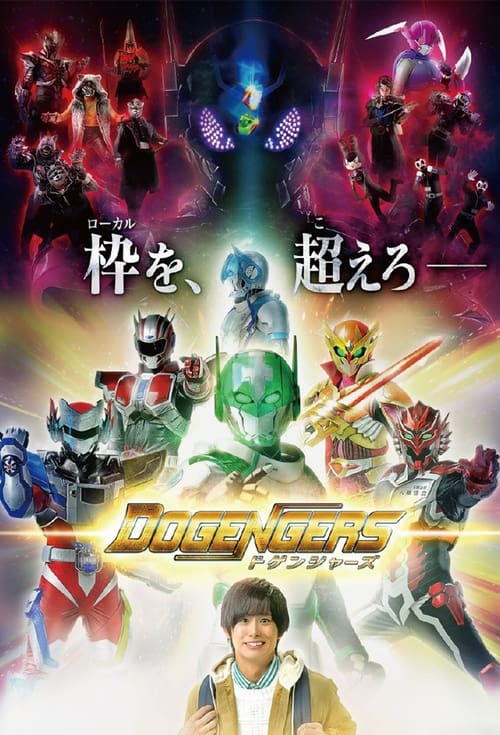
In the year 2020, the story of Dogengers begins in a vibrant city where a group of superheroes, known as the Dogengers, is formed to combat the rising threat of evil forces. The team is composed of various characters, each with unique abilities and personalities. The leader, a charismatic figure, rallies the group to protect their city from the villainous organization known as the Dark Alliance, which is led by the sinister and cunning antagonist, Dark Dog.
The first major event occurs when the Dogengers receive a distress signal from a local park where a group of children is being threatened by Dark Dog's minions. The team springs into action, showcasing their individual powers as they arrive at the scene. The leader uses his agility and combat skills to take down several minions, while another member, who has the ability to manipulate energy, creates barriers to protect the children. The fight is intense, with the Dogengers working in unison, but they are ultimately overwhelmed by the sheer number of enemies.
As the battle rages on, Dark Dog makes his appearance, revealing his plan to capture the children and use them for his nefarious schemes. The Dogengers realize they must regroup and strategize. They retreat to their headquarters, where they discuss their next move. Tensions rise as some members express doubt about their ability to defeat Dark Dog, while others remain determined to protect the city. The leader reassures the team, emphasizing the importance of unity and courage.
In the following scenes, the Dogengers embark on a quest to gather intelligence on Dark Dog's operations. They infiltrate one of his hideouts, using stealth and teamwork to navigate through traps and guards. During this mission, they discover that Dark Dog is planning a massive attack on the city during a major festival. This revelation heightens the stakes, and the team realizes they must act quickly to thwart his plans.
The Dogengers prepare for the festival, devising a plan to confront Dark Dog and his forces. They split into two groups: one to protect the festival-goers and the other to confront Dark Dog directly. As the festival begins, the atmosphere is filled with joy and celebration, but the tension is palpable as the Dogengers remain on high alert.
When Dark Dog launches his attack, chaos ensues. The Dogengers spring into action, fighting off minions while trying to protect civilians. The leader faces off against Dark Dog in a climactic battle. The fight is fierce, with both characters showcasing their strengths. Dark Dog uses his cunning to gain the upper hand, but the leader's determination and the support of his teammates turn the tide.
In a pivotal moment, the leader taps into the power of friendship and teamwork, rallying his teammates to join him in a final assault against Dark Dog. They combine their abilities, creating a powerful attack that overwhelms the villain. Dark Dog, realizing he is outmatched, attempts to escape but is ultimately captured by the Dogengers.
With Dark Dog defeated, the Dogengers celebrate their victory, but they also reflect on the challenges they faced. The team members express their gratitude for one another, solidifying their bond. The story concludes with the Dogengers standing together, ready to face whatever new challenges may come their way, united in their mission to protect the city and its people.



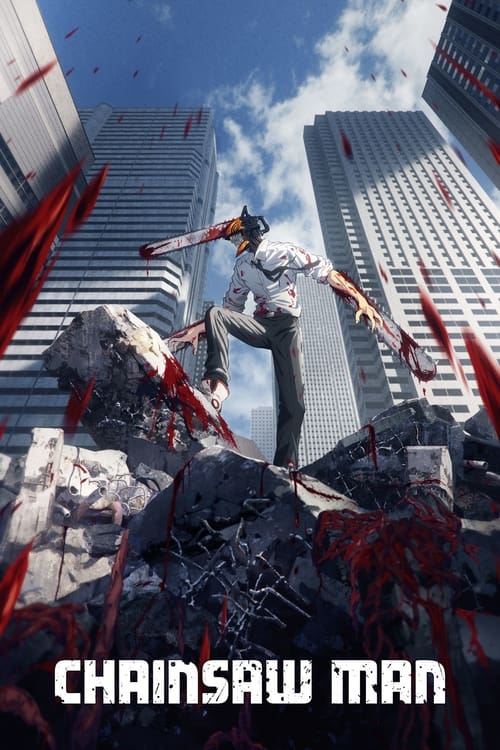


What is the ending?
In the ending of Dogengers, the main characters face their final confrontation with the antagonist, leading to a climactic battle that tests their resolve and teamwork. Ultimately, they manage to defeat the villain, but not without personal sacrifices and emotional turmoil. The story concludes with the characters reflecting on their journey, solidifying their bonds and embracing their roles as protectors.
As the final episode unfolds, the scene opens in a desolate urban landscape, the remnants of a fierce battle evident in the debris scattered across the ground. The Dogengers, a group of heroic canines and their human allies, stand united, their expressions a mix of determination and anxiety. They know that the time has come to confront the villain, a powerful entity threatening their world.
The camera pans to the antagonist, a dark figure shrouded in shadows, who looms over the city, exuding an aura of menace. The Dogengers strategize, their leader, a brave dog with a strong sense of justice, rallying the team. Each member reflects on their personal stakes in this battle, revealing their fears and hopes. The emotional weight of their journey together hangs in the air, as they prepare for the fight of their lives.
As the battle commences, the scene shifts to a chaotic clash of powers. The Dogengers utilize their unique abilities, showcasing their growth and teamwork. The visuals are vibrant, with bursts of energy and action sequences that highlight their individual strengths. The leader, embodying courage, charges forward, inspiring the others to follow suit.
In a pivotal moment, one of the Dogengers faces a critical choice, risking their safety to save a teammate who is in peril. This act of bravery underscores the theme of sacrifice and loyalty that has been woven throughout their journey. The tension escalates as the antagonist retaliates, unleashing a wave of destructive energy that threatens to overwhelm the heroes.
As the battle reaches its climax, the Dogengers combine their powers in a spectacular display of unity. The screen fills with light as they launch a final attack against the antagonist. The moment is charged with emotion, as each character channels their hopes and fears into this decisive strike. The antagonist, caught off guard by their combined strength, falters, and the tide of the battle shifts.
With a final, powerful blow, the antagonist is defeated, collapsing into a swirl of darkness that dissipates into the air. The Dogengers stand victorious, but the victory is bittersweet. They survey the destruction around them, realizing the cost of their battle. Each character processes the aftermath differently; some are filled with relief, while others grapple with the loss of what they have sacrificed.
In the closing scenes, the Dogengers gather together, their bond stronger than ever. They reflect on their journey, sharing heartfelt moments that highlight their growth and the friendships they have forged. The leader expresses gratitude for the team, acknowledging that their strength lies not just in their powers, but in their unity and support for one another.
As the sun sets on the horizon, casting a warm glow over the city, the Dogengers vow to continue protecting their home, ready to face whatever challenges may come next. The camera pulls back, revealing the city slowly beginning to heal, symbolizing hope and resilience. Each character's fate is intertwined with the promise of new adventures, as they embrace their roles as guardians, forever changed by their experiences. The screen fades to black, leaving the audience with a sense of closure and anticipation for the future.
Is there a post-credit scene?
In the 2020 TV show Dogengers, there is indeed a post-credit scene that adds an intriguing layer to the narrative. After the main credits roll, the scene opens in a dimly lit room filled with various gadgets and screens displaying footage of the Dogengers in action. The camera pans slowly, revealing a shadowy figure seated at a desk, their face obscured by darkness.
As the figure leans forward, a faint light illuminates their features, revealing a sly smile. This character, who has been hinted at throughout the series as a potential antagonist, begins to speak in a low, conspiratorial tone. They discuss the Dogengers' recent victories and express a growing concern about their increasing popularity and effectiveness in thwarting evil.
The scene shifts to a close-up of a mysterious device on the desk, which starts to beep ominously. The figure reaches for it, and with a flick of a switch, a holographic projection of the Dogengers appears, showcasing their strengths and weaknesses. The character's expression turns from amusement to determination as they declare that it's time to put a plan into motion to challenge the Dogengers.
The post-credit scene ends with a chilling laugh echoing through the room, leaving viewers with a sense of foreboding and anticipation for the challenges that lie ahead for the Dogengers in potential future episodes. This moment effectively sets the stage for further conflict and character development, hinting at deeper layers of intrigue and rivalry that will unfold in the series.
What are the main abilities of the Dogengers team members?
The Dogengers team consists of various members, each with unique abilities that reflect their canine counterparts. For instance, the leader, Dogenger Red, possesses enhanced strength and agility, akin to a powerful dog. Dogenger Blue has heightened senses, allowing him to detect danger from afar. Dogenger Green showcases incredible speed, reminiscent of a racing dog, while Dogenger Yellow has a knack for strategy and teamwork, often coordinating their efforts in battle. Each member's abilities are crucial in their fight against evil.
How does the rivalry between Dogenger Red and the antagonist develop throughout the series?
The rivalry between Dogenger Red and the main antagonist, who embodies a dark and twisted version of canine traits, escalates as the series progresses. Initially, Dogenger Red is confident and determined, but as he faces defeat and challenges, his emotional state shifts to frustration and doubt. The antagonist, on the other hand, revels in manipulating Red's insecurities, leading to intense confrontations that are both physical and psychological. This rivalry culminates in a climactic battle where Red must confront not only the antagonist but also his own fears.
What role does the character of Dogenger Pink play in the team dynamics?
Dogenger Pink serves as the emotional core of the Dogengers team. She often acts as a mediator during conflicts, using her empathetic nature to understand each member's struggles. Her backstory reveals a personal loss that drives her to fight for justice, adding depth to her character. Throughout the series, her relationships with other members evolve, showcasing moments of vulnerability and strength. Her ability to inspire hope and unity among the team is pivotal, especially during moments of despair.
What are the significant challenges the Dogengers face in their battles against evil?
The Dogengers encounter various challenges, including formidable villains with unique powers that test their limits. Each battle is not just a physical confrontation but also a test of their teamwork and resolve. They face moral dilemmas, such as saving civilians while battling foes, which often leads to internal conflict among team members. Additionally, the villains often exploit their weaknesses, creating scenarios where trust and loyalty are put to the test, forcing the Dogengers to confront their fears and insecurities.
How does the backstory of Dogenger Green influence his actions in the series?
Dogenger Green's backstory reveals a troubled past where he struggled with feelings of inadequacy and isolation. This history shapes his character, making him initially hesitant to fully embrace his role within the team. As the series progresses, he grapples with his self-worth, often pushing himself to prove his value to the Dogengers. His journey of self-discovery is marked by moments of bravery and vulnerability, ultimately leading him to become a key player in their battles, as he learns to trust in his abilities and the support of his teammates.
Is this family friendly?
"Dogengers," produced in 2020, is a unique blend of action, comedy, and adventure that features a group of dog-themed superheroes. While the show is generally family-friendly, there are a few aspects that might be considered objectionable or upsetting for children or sensitive viewers:
-
Mild Violence: The show includes action sequences where the Dogengers engage in battles against villains. While the violence is not graphic, there are moments of physical confrontations that may be intense for younger viewers.
-
Villainous Characters: Some of the antagonists may have menacing appearances or behaviors that could be frightening to children. Their motivations and actions, while often comedic, can still be perceived as threatening.
-
Emotional Conflict: Characters experience moments of doubt, fear, and sadness, particularly when facing challenges or losses. These emotional scenes may resonate deeply and could be upsetting for sensitive viewers.
-
Silly Humor: The humor can sometimes be absurd or involve slapstick elements that might not appeal to all children, potentially leading to confusion or discomfort.
-
Themes of Friendship and Betrayal: The narrative explores themes of loyalty and betrayal among friends, which could be emotionally complex for younger audiences to fully grasp.
Overall, while "Dogengers" is designed to entertain a family audience, parents may want to preview episodes to gauge their suitability for their children based on these elements.







