





Popular
What motivates Travis Kalanick to push the boundaries of Uber's business practices?
How does the relationship between Travis Kalanick and his investors evolve throughout the series?
What role does the character of Emil Michael play in the story, and how does he influence Travis Kalanick?
How does the series portray the impact of Uber's business practices on its drivers?
What events lead to the eventual downfall of Travis Kalanick as CEO of Uber?
Should I watch it?
Ask Your Own Question

What is the plot?
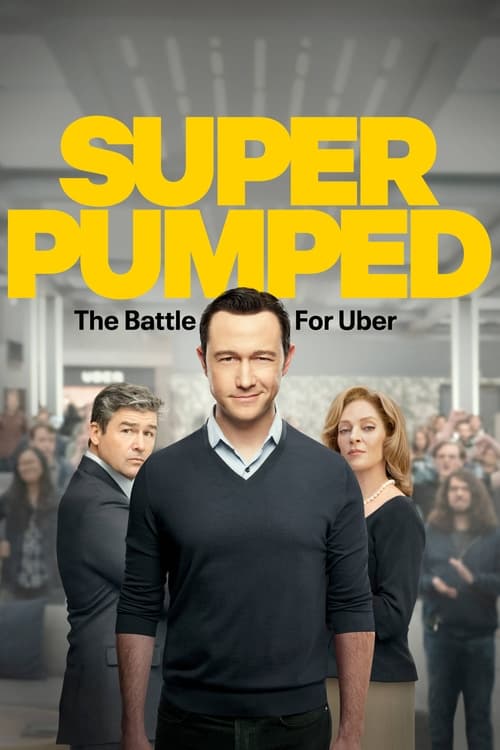
The story begins in 2010, with Travis Kalanick, a passionate and ambitious entrepreneur, struggling to find success with his startup, Red Swoosh. He faces challenges in securing funding and is portrayed as a relentless go-getter, often clashing with investors and partners. After a series of setbacks, he eventually sells Red Swoosh, which gives him the financial backing to pursue his next venture.
Travis then meets Garrett Camp, the co-founder of StumbleUpon, who shares his vision for a new ride-sharing app called UberCab. They discuss the potential of the idea, and Travis is immediately drawn to the concept of disrupting the traditional taxi industry. He joins Garrett and they begin to develop the app, which allows users to request rides from drivers using their smartphones. The initial prototype is created, and they start testing it in San Francisco.
As UberCab gains traction, Travis faces pushback from the taxi industry and local regulators. The city of San Francisco issues a cease-and-desist order against UberCab, claiming it operates illegally. Undeterred, Travis decides to rebrand the app as Uber and continues to push forward, believing in the potential of the service. He rallies his team and investors, emphasizing the need to fight against the established taxi companies.
In a pivotal moment, Travis and his team organize a guerrilla marketing campaign, encouraging users to take rides and share their experiences on social media. This strategy pays off, as Uber's popularity skyrockets, attracting more drivers and riders. However, the increased visibility also brings more scrutiny from regulators and law enforcement.
As Uber expands to new cities, Travis faces internal conflicts with his team, particularly with his co-founder Garrett, who is more cautious and concerned about the legal implications of their actions. Travis's aggressive approach leads to tension, and Garrett eventually decides to step back from the day-to-day operations of the company. This decision leaves Travis with more control, but also more responsibility.
The narrative shifts to 2014, where Uber is now a major player in the ride-sharing market. Travis's ambition drives him to pursue aggressive growth strategies, including entering international markets. However, this expansion is met with fierce resistance from local governments and taxi unions. In one notable scene, Travis is confronted by a group of angry taxi drivers during a public event, highlighting the growing animosity towards Uber.
As the company faces mounting legal challenges, Travis's leadership style becomes increasingly erratic. He prioritizes growth over ethics, leading to a series of scandals, including allegations of sexual harassment within the company. These issues begin to tarnish Uber's reputation, and Travis struggles to maintain control as the media scrutiny intensifies.
In a dramatic twist, a former employee comes forward with allegations of a toxic workplace culture at Uber. This revelation sends shockwaves through the company and leads to an internal investigation. Travis is forced to confront the consequences of his leadership and the impact it has had on the company's employees.
As the season progresses, Travis's relationship with investors becomes strained. They express concerns about his management style and the company's direction. In a tense board meeting, Travis defends his vision but realizes that he may be losing the support of key stakeholders. This moment marks a turning point in his leadership, as he begins to question his own decisions.
The climax of the story occurs when Travis faces a major crisis involving a high-profile incident with an Uber driver. The driver is involved in a violent altercation, which leads to public outrage and calls for accountability. Travis's response to the situation is criticized, and he finds himself at the center of a media firestorm. This incident forces him to reevaluate his priorities and the culture he has fostered at Uber.
In the final episodes, the pressure mounts as Travis's leadership is challenged from within the company. Key executives begin to resign, and the board of directors takes a more active role in managing the company. Travis's grip on Uber weakens, and he is ultimately ousted from his position as CEO. The season concludes with a sense of uncertainty for Uber's future, as the company grapples with the fallout from Travis's tumultuous leadership and the ongoing challenges in the ride-sharing industry.






What is the ending?
In the ending of "Super Pumped: The Battle for Uber," Travis Kalanick faces the consequences of his aggressive leadership style and the toxic culture he fostered at Uber. After a series of scandals and mounting pressure from investors, he is ultimately ousted from the company he co-founded. The series concludes with a sense of uncertainty for Uber's future, as the company grapples with its identity and the challenges ahead.
As the final episodes unfold, the tension within Uber reaches a boiling point. The board of directors, increasingly concerned about the negative publicity surrounding the company, convenes to discuss Travis Kalanick's leadership. The atmosphere is thick with anxiety and urgency, as they weigh the implications of his continued presence at the helm.
In a pivotal scene, the board members express their frustrations over the numerous controversies that have plagued Uber, including allegations of sexual harassment and a toxic workplace culture. The camera captures the worried expressions of the board members, highlighting their internal conflict as they grapple with the decision to remove Kalanick. The stakes are high, and the future of Uber hangs in the balance.
Travis, portrayed with a mix of bravado and vulnerability, is shown in his office, surrounded by the trappings of his success. He is confident, perhaps overly so, believing that he can weather the storm. However, as he receives the news of the board's decision, his demeanor shifts. The shock and disbelief are palpable as he processes the reality that he is being pushed out of the company he built from the ground up.
In a heart-wrenching moment, Travis confronts the board, pleading his case and attempting to rally support. His desperation is evident as he reflects on the sacrifices he made for Uber and the vision he had for its future. Yet, the board remains resolute, and the emotional weight of the moment is underscored by the silence that follows his impassioned speech.
As the episode progresses, we see Travis packing up his office, a visual metaphor for his fall from grace. The camera lingers on the empty space where his personal items once were, emphasizing the loss of his identity tied to Uber. The emotional turmoil is evident on his face, a mix of anger, sadness, and regret as he leaves the building for the last time.
Meanwhile, the other key characters, including investors and executives, reflect on the implications of Travis's departure. They are left to navigate the uncertain waters of Uber's future without his leadership. The series closes with a montage of Uber's ongoing challenges, hinting at the uphill battle the company faces in rebuilding its reputation and culture.
In the final moments, the screen fades to black, leaving viewers with a sense of unresolved tension. The fate of Travis Kalanick is left ambiguous, as he steps into a world where his influence has waned, and the legacy of Uber remains uncertain. The series ends on a note of caution, highlighting the complexities of ambition, power, and the consequences of unchecked leadership.
Is there a post-credit scene?
In "Super Pumped: The Battle for Uber," there is indeed a post-credit scene that adds a layer of depth to the narrative. After the main credits roll, the scene opens with a dimly lit office space, where Travis Kalanick, played by Joseph Gordon-Levitt, is seen sitting at a desk, staring intently at his computer screen. The atmosphere is tense, filled with a sense of uncertainty and ambition.
As he scrolls through various news articles and social media posts about Uber's tumultuous journey, his expression shifts from determination to frustration. He reflects on the challenges he faced, including the legal battles, the controversies surrounding the company, and the internal strife that led to his eventual ousting. The weight of his decisions hangs heavily on him, and the viewer can sense his internal conflict--he is both proud of what he built and haunted by the consequences of his actions.
Suddenly, the screen flickers, and a notification pops up about a new startup that is gaining traction in the ride-sharing space. Kalanick's eyes narrow, and a smirk forms on his face, revealing a mix of intrigue and competitive spirit. The scene closes with him leaning back in his chair, a glimmer of determination in his eyes, suggesting that he is far from finished in the tech world. This moment encapsulates his relentless drive and foreshadows his future endeavors, leaving the audience with a sense of anticipation for what lies ahead.
What motivates Travis Kalanick to push the boundaries of Uber's business practices?
Travis Kalanick is driven by a fierce ambition to disrupt the transportation industry and establish Uber as a dominant force. His desire for success is fueled by a combination of personal ambition, a belief in the transformative power of technology, and a need to prove himself against traditional taxi services. This relentless drive often leads him to make morally questionable decisions, prioritizing growth and market share over ethical considerations.
How does the relationship between Travis Kalanick and his investors evolve throughout the series?
Initially, Travis Kalanick enjoys a strong rapport with his investors, particularly with Bill Gurley, who sees the potential in Uber's disruptive model. However, as the company grows, tensions arise due to Kalanick's aggressive tactics and disregard for regulations. Investors become increasingly concerned about the legal and ethical implications of his decisions, leading to a rift that culminates in a loss of trust and support, ultimately impacting Kalanick's leadership.
What role does the character of Emil Michael play in the story, and how does he influence Travis Kalanick?
Emil Michael serves as a close confidant and advisor to Travis Kalanick, embodying the aggressive, risk-taking culture of Uber. He encourages Kalanick's bold strategies and often pushes for controversial tactics to undermine competitors. However, his influence also leads to significant backlash, particularly when he proposes unethical measures to discredit critics, which ultimately contributes to the growing scrutiny and challenges faced by Uber.
How does the series portray the impact of Uber's business practices on its drivers?
The series highlights the struggles of Uber drivers, showcasing their hopes for financial independence contrasted with the harsh realities of gig work. Many drivers are depicted as feeling exploited, facing long hours, low pay, and lack of benefits. This portrayal emphasizes the emotional toll on drivers who believed in the promise of flexibility and opportunity, only to find themselves caught in a system that prioritizes corporate profits over their well-being.
What events lead to the eventual downfall of Travis Kalanick as CEO of Uber?
Travis Kalanick's downfall is precipitated by a series of scandals and controversies, including allegations of a toxic workplace culture, legal battles over regulatory compliance, and public relations disasters. Key events include the fallout from the 'Greyball' software scandal, the exposure of the company's aggressive tactics against competitors, and the viral video of Kalanick's confrontation with an Uber driver. These incidents erode investor confidence and culminate in a board-led push for his resignation.
Is this family friendly?
"Super Pumped: The Battle for Uber" is not considered family-friendly due to its mature themes and content. Here are some potentially objectionable or upsetting aspects that may occur:
-
Strong Language: The show features frequent use of profanity, which may not be suitable for younger audiences.
-
Substance Use: There are scenes depicting drug and alcohol use, which could be concerning for sensitive viewers.
-
Intense Business Rivalries: The portrayal of cutthroat business practices and ethical dilemmas may be distressing, especially for those sensitive to themes of betrayal and manipulation.
-
Conflict and Aggression: The series includes heated arguments and confrontations that can be intense and emotionally charged.
-
Sexual Content: There are instances of sexual situations and innuendos that may not be appropriate for children.
-
Emotional Turmoil: Characters experience significant stress, anxiety, and personal struggles, which could be upsetting for some viewers.
These elements contribute to a narrative that is more suited for mature audiences rather than children.