
















Popular
What are the main conflicts faced by the character of Valeria throughout the series?
What significant events lead to the climax of the series involving the main characters?
How does the character of Emiliano evolve throughout the series?
What role does the character of Renata play in the dynamics of the main group?
How does the relationship between Valeria and her mother impact the storyline?
Should I watch it?
Ask Your Own Question

What is the plot?
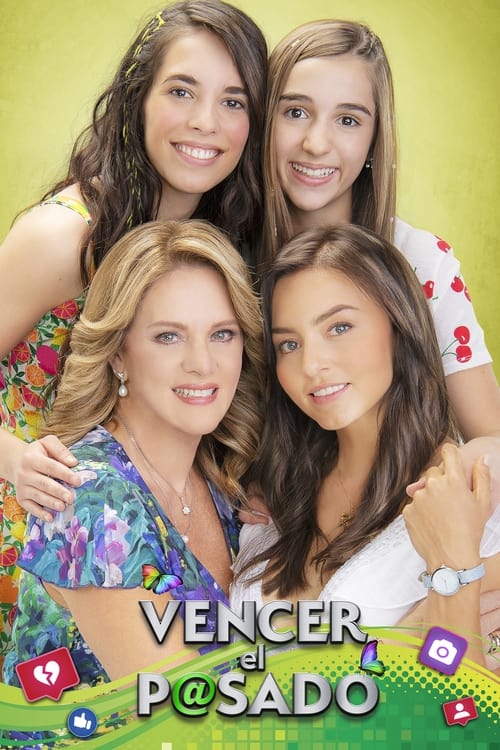
The story begins with the introduction of the main character, Valeria, who is a strong-willed woman dealing with the aftermath of a traumatic event in her past. She is shown struggling with her emotions and the impact of her experiences on her family, particularly her daughter, who is unaware of the full extent of Valeria's struggles. Valeria's internal conflict is palpable as she tries to maintain a facade of normalcy while grappling with her memories.
As the narrative unfolds, Valeria's relationship with her husband, a supportive but somewhat distant figure, is explored. He is depicted as trying to help Valeria heal, but his efforts often fall short, leading to tension between them. Valeria's emotional state deteriorates, and she begins to isolate herself, pushing away those who care about her. This isolation is visually represented through scenes of her alone in her room, staring out the window, lost in thought.
The plot thickens when Valeria's past resurfaces in the form of a figure from her history, a man named Alejandro, who re-enters her life unexpectedly. His arrival triggers a series of flashbacks that reveal the nature of Valeria's trauma, including a pivotal incident that changed her life forever. Alejandro's presence stirs up unresolved feelings in Valeria, leading to a mix of fear, anger, and longing. The emotional turmoil is depicted through intense conversations and confrontations between Valeria and Alejandro, where she struggles to articulate her feelings.
As Valeria grapples with her past, her daughter begins to notice the changes in her mother. Concerned, she confronts Valeria, leading to a heartfelt exchange where Valeria tries to explain her struggles without revealing too much. This moment highlights Valeria's desire to protect her daughter from the pain of her past while also seeking understanding and connection. The scene is charged with emotion, showcasing Valeria's vulnerability and her daughter's confusion.
In a pivotal moment, Valeria decides to confront her past head-on. She seeks out Alejandro, leading to a tense meeting where they discuss the events that transpired years ago. The conversation is fraught with emotion, as Valeria expresses her anger and hurt, while Alejandro attempts to justify his actions. This confrontation serves as a turning point for Valeria, as she begins to reclaim her narrative and assert her strength.
As the story progresses, Valeria's relationship with her husband becomes increasingly strained. He feels helpless as he watches Valeria struggle, and his frustration leads to arguments that further alienate them. Valeria's internal conflict intensifies, and she begins to question her choices and the life she has built. The visual representation of their arguments, filled with raised voices and physical distance, underscores the emotional chasm growing between them.
In a climactic sequence, Valeria decides to take a stand against her past. She organizes a gathering with friends and family, intending to share her story and seek support. The event is filled with tension as Valeria prepares to reveal her truth. When she finally speaks, her words are raw and powerful, resonating with those present. This moment of vulnerability is cathartic for Valeria, and the reactions from her loved ones range from shock to empathy, showcasing the impact of her revelation.
Following the gathering, Valeria experiences a mix of relief and anxiety. She begins to rebuild her relationships, particularly with her daughter, who expresses her admiration for Valeria's bravery. This reconciliation is depicted through tender moments, such as shared laughter and hugs, symbolizing a new beginning for both of them. Valeria's emotional state shifts from despair to hope, as she starts to envision a future free from the shadows of her past.
As the series nears its conclusion, Valeria faces one final confrontation with Alejandro. This meeting is charged with unresolved tension, as they both grapple with the consequences of their past actions. Valeria stands firm in her newfound strength, refusing to let Alejandro dictate her emotions any longer. The scene is intense, filled with powerful dialogue that encapsulates their complicated history.
In the final moments of the series, Valeria embraces her journey of healing. She is shown engaging in activities that bring her joy, such as painting and spending time with her daughter. The visual imagery shifts to brighter colors, symbolizing Valeria's transformation. The series ends on a hopeful note, with Valeria looking forward to the future, having finally begun to overcome her past.







What is the ending?
In the ending of "Vencer el pasado," the main characters confront their past traumas and find resolution. The story culminates in a series of emotional confrontations and reconciliations, leading to personal growth and the promise of new beginnings for each character.
As the final episodes unfold, the tension builds around the central theme of overcoming the past. The characters, who have been deeply affected by their histories, come to terms with their experiences. The resolution of their conflicts leads to a sense of closure and hope for the future.
In the last scenes, we see the characters embracing their new paths. They have learned to forgive themselves and each other, allowing them to move forward with their lives. The series ends on a hopeful note, emphasizing the importance of resilience and the power of love and family.
As the final act of "Vencer el pasado" begins, the atmosphere is charged with anticipation. The camera pans over a sunlit courtyard where the main characters gather, each carrying the weight of their pasts. The air is thick with unspoken words and unresolved feelings, setting the stage for the emotional confrontations that are about to unfold.
Scene 1: The Confrontation The scene opens with Valentina standing at the center, her expression a mix of determination and vulnerability. She has decided to confront her mother, who has been a source of pain and misunderstanding throughout the series. As Valentina speaks, her voice trembles, revealing the depth of her hurt. She articulates her feelings of abandonment and betrayal, her eyes glistening with unshed tears. The camera captures her mother's reaction, a blend of regret and sorrow, as she realizes the impact of her actions on Valentina's life.
Scene 2: The Revelation In a parallel scene, we see Emiliano grappling with his own demons. He meets with his estranged father, a man who has haunted his memories. The tension is palpable as they exchange harsh words, but as the conversation progresses, Emiliano's anger begins to shift to understanding. He reveals his struggles and the pain of growing up without a father figure. The emotional weight of the moment is underscored by close-up shots of their faces, capturing the rawness of their emotions. The scene culminates in a moment of silence, where both men realize the need for forgiveness.
Scene 3: The Healing Meanwhile, the sisters, Valentina and her sibling, share a quiet moment in their childhood home. They reminisce about their past, laughing and crying as they sift through old memories. This scene is filled with warmth, showcasing their bond and the healing power of family. The camera lingers on their hands as they clasp each other's, symbolizing their unity and support. They vow to move forward together, leaving behind the shadows of their past.
Scene 4: The New Beginnings As the series approaches its conclusion, we see each character taking steps toward their new lives. Valentina enrolls in a university, determined to pursue her dreams. Emiliano starts a new job, embracing the opportunity to redefine himself. The camera captures their hopeful expressions as they step into the future, symbolizing their growth and resilience.
Scene 5: The Final Gathering In the final scene, the characters come together for a family gathering, a stark contrast to the earlier tension. The atmosphere is filled with laughter and joy, as they celebrate their newfound connections. The camera pans over the table, laden with food, and the characters' faces, illuminated by soft lighting, reflecting their happiness. Valentina raises a toast, expressing gratitude for their journey and the strength they have found in each other.
As the credits roll, the audience is left with a sense of closure. Each character has faced their past, learned to forgive, and embraced the possibility of a brighter future. The series ends on a hopeful note, reinforcing the themes of resilience, love, and the importance of family in overcoming life's challenges.
Is there a post-credit scene?
In "Vencer el pasado," there is no post-credit scene. The series concludes its narrative without any additional scenes after the credits roll. The final episodes focus on the resolution of the characters' arcs, emphasizing themes of forgiveness, redemption, and the strength of familial bonds. The story wraps up with a sense of closure, allowing viewers to reflect on the journeys of the main characters without the need for an additional scene to tease future developments.
What are the main conflicts faced by the character of Valeria throughout the series?
Valeria, a central character in 'Vencer el pasado', grapples with the emotional turmoil of her past, particularly her strained relationship with her mother and the impact of her father's abandonment. As she navigates her life, she faces challenges in her romantic relationships, especially with her partner, who struggles to understand her emotional scars. Valeria's journey is marked by her quest for self-acceptance and reconciliation with her family's history.
What significant events lead to the climax of the series involving the main characters?
The climax of 'Vencer el pasado' is marked by a series of pivotal events that intertwine the fates of the main characters. Key moments include the revelation of long-held secrets, confrontations between Valeria and her mother, and Emiliano's struggle to take responsibility for his actions. These events culminate in a dramatic confrontation that forces the characters to face their pasts and make choices that will define their futures, ultimately leading to a resolution of their intertwined stories.
How does the character of Emiliano evolve throughout the series?
Emiliano starts as a seemingly carefree individual, but as the series progresses, his character reveals deeper layers of vulnerability and responsibility. He faces the consequences of his past actions, particularly in relation to his family and his romantic interests. His evolution is marked by moments of introspection and growth, as he learns to confront his mistakes and strive for redemption, ultimately seeking to build a more meaningful connection with Valeria.
What role does the character of Renata play in the dynamics of the main group?
Renata serves as a catalyst for conflict and tension within the main group of friends. Her ambitious nature often puts her at odds with Valeria and the others, leading to jealousy and rivalry. However, as the series unfolds, Renata's motivations are explored, revealing her insecurities and the pressures she faces. This complexity adds depth to her character, making her both an antagonist and a figure of empathy as she navigates her own struggles.
How does the relationship between Valeria and her mother impact the storyline?
The relationship between Valeria and her mother is fraught with tension and unresolved issues, serving as a driving force in Valeria's character development. Their interactions are often filled with emotional confrontations, highlighting Valeria's feelings of abandonment and resentment. This strained dynamic influences Valeria's decisions and relationships throughout the series, as she seeks to break free from her mother's shadow while also yearning for her approval and love.
Is this family friendly?
"Vencer el pasado," produced in 2021, is a telenovela that explores complex themes of family, betrayal, and personal growth. While it is designed for a broad audience, there are several elements that may be considered objectionable or upsetting for children or sensitive viewers:
-
Family Conflict: The show delves into intense family dynamics, including arguments and emotional confrontations that may be distressing for younger viewers.
-
Betrayal and Deceit: Characters often face betrayal from loved ones, which can evoke feelings of sadness and disappointment.
-
Romantic Tensions: There are romantic subplots that include jealousy, heartbreak, and complicated relationships, which may be difficult for younger audiences to understand.
-
Emotional Trauma: Some characters experience significant emotional pain, including loss and grief, which can be heavy themes for sensitive viewers.
-
Social Issues: The series touches on themes of social injustice and personal struggles that may be challenging for children to process.
-
Violence: While not graphic, there are moments of conflict that may involve threats or physical altercations, which could be unsettling.
Overall, while "Vencer el pasado" contains engaging storytelling and character development, its themes and emotional depth may require parental guidance for younger viewers.









