









Popular
What challenges do the Croods face when adapting to life in the treehouse?
How does Eep's relationship with the Bettermans evolve throughout the series?
What role does the character of Dawn play in the dynamics between the Croods and the Bettermans?
How does Grug's character develop in response to the challenges of living with the Bettermans?
What specific events lead to the Croods and Bettermans working together?
Should I watch it?
Ask Your Own Question

What is the plot?
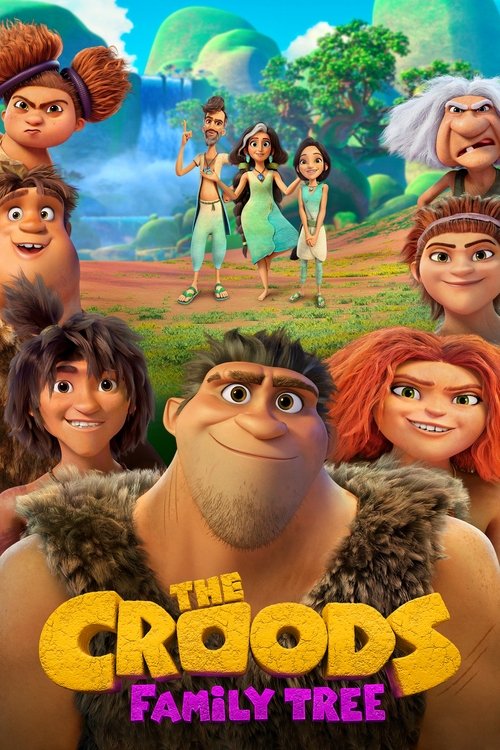
The series begins with the Crood family, led by Grug, who is protective and cautious, and his adventurous daughter, Eep. The Croods are on a quest for a safer home after their cave is destroyed. They encounter the Bettermans, a more evolved family who live in a treehouse and have modern conveniences. The Bettermans, Phil and Hope, are initially welcoming but have a condescending attitude towards the Croods, believing they are superior due to their advancements.
As the Croods settle into the Bettermans' home, tensions arise. Grug feels threatened by Phil's confidence and the Bettermans' lifestyle, while Eep is fascinated by the new experiences and freedoms offered by the Bettermans. Eep's curiosity leads her to explore the surrounding area, where she discovers new creatures and landscapes, further igniting her desire for adventure.
Conflict escalates when the Bettermans' daughter, Dawn, and Eep form a friendship, which causes friction between the two families. Grug's protective nature clashes with Eep's desire for independence, leading to a series of misunderstandings. The Bettermans attempt to showcase their lifestyle, but the Croods struggle to adapt, leading to comedic and chaotic situations.
A pivotal moment occurs when the Croods and Bettermans are forced to work together to fend off a common threat: a pack of wild creatures that invade their territory. This confrontation reveals the strengths and weaknesses of both families. Grug learns to appreciate the Bettermans' skills, while Phil realizes the value of the Croods' resilience and resourcefulness.
As the story progresses, the Croods face internal challenges as well. Thunk, Grug's son, grapples with his identity and self-worth, feeling overshadowed by the Bettermans' achievements. He embarks on a personal journey to prove himself, leading to moments of self-discovery and growth.
The climax of the series occurs when a natural disaster threatens both families. They must put aside their differences and work together to survive. Grug and Phil lead the charge, combining their strengths to navigate the dangers. Eep and Dawn, along with Thunk, use their creativity and bravery to find solutions, showcasing their growth as individuals.
In the aftermath of the disaster, both families come to a deeper understanding of each other. Grug and Phil develop a mutual respect, while Eep and Dawn solidify their friendship. The Croods ultimately decide to stay in the area, blending their lifestyles with the Bettermans, creating a new community that embraces both their differences and similarities.
The series concludes with the Croods and Bettermans celebrating their newfound bond, highlighting the importance of family, friendship, and cooperation. The characters reflect on their journeys, acknowledging their growth and the adventures that lie ahead, setting the stage for future escapades.


What is the ending?
In the ending of "The Croods: Family Tree," the Croods and the Bettermans come together to face a new threat, ultimately realizing the importance of family and cooperation. They learn to appreciate each other's strengths and differences, leading to a stronger bond between the two families.
As the final episodes unfold, the Croods and the Bettermans are faced with a series of challenges that test their unity. The climax occurs when they confront a formidable creature that threatens their home. In a moment of teamwork, they combine their unique skills to outsmart the creature, showcasing their growth and newfound respect for one another. By the end, both families celebrate their victory, solidifying their relationship and embracing the idea that they are better together.
Now, let's delve into the ending in a more detailed, chronological narrative.
The final episodes begin with a sense of unease as the Croods and the Bettermans discover that their peaceful coexistence is threatened by a massive creature that has invaded their territory. The creature, a towering beast with sharp claws and a loud roar, represents the chaos that can disrupt their lives. The Croods, led by Grug, are initially hesitant to work with the Bettermans, who are more technologically advanced and have a different approach to problem-solving.
Scene by scene, the tension builds. Eep, the adventurous daughter of the Croods, feels a strong urge to protect her family and their home. She rallies her siblings, Thunk and Sandy, to come up with a plan. Meanwhile, the Bettermans, particularly Hope, are trying to devise a strategy that relies on their gadgets and inventions. The two families clash over their differing methods, with Grug advocating for a more primal approach while Phil, the Bettermans' father, insists on using technology.
As the creature wreaks havoc, the families are forced to confront their differences. In a pivotal scene, they experience a moment of vulnerability when they share their fears about losing their homes and families. This emotional exchange allows them to see each other as allies rather than rivals. They begin to appreciate the strengths each family brings to the table.
In the climax, the creature attacks, and chaos ensues. The Croods and the Bettermans must put aside their differences and work together. Eep and Hope lead the charge, combining their skills to distract the creature while Grug and Phil coordinate the group's efforts. Thunk uses his strength to create a diversion, while Sandy employs her quick thinking to set traps. The teamwork is messy but effective, showcasing their growth as a unit.
As they finally manage to outsmart the creature, a sense of triumph fills the air. The families celebrate their victory, realizing that their combined efforts have made them stronger. In the aftermath, they gather around a fire, sharing stories and laughter, solidifying their bond. Grug and Phil exchange a nod of respect, acknowledging that they have learned from each other.
By the end of the series, the Croods and the Bettermans have not only defended their home but have also forged a lasting friendship. Each character has grown: Grug learns to embrace new ideas, Eep finds strength in collaboration, Thunk gains confidence, and Sandy showcases her cleverness. The Bettermans, too, learn the value of community and the importance of family ties.
In the final scene, the two families stand together, looking out over their shared territory, united and ready to face whatever challenges may come next. The message is clear: through cooperation and understanding, they can overcome any obstacle, and together, they are a family.
Is there a post-credit scene?
In "The Croods: Family Tree," there are no post-credit scenes. The series focuses on the adventures and dynamics of the Crood family and the Bettermans as they navigate their lives in a prehistoric world. Each episode wraps up its storylines without additional scenes after the credits, maintaining a straightforward narrative structure that emphasizes the comedic and familial themes of the show. The focus remains on the interactions, challenges, and growth of the characters throughout the episodes.
What challenges do the Croods face when adapting to life in the treehouse?
The Croods face numerous challenges when adapting to life in the treehouse, primarily stemming from their struggle to coexist with the Bettermans, who have a more advanced lifestyle. The Croods, particularly Grug, feel out of place and insecure about their primitive ways, leading to comedic yet tense moments as they try to fit in. Eep, on the other hand, is drawn to the Bettermans' modern conveniences, creating a rift between her and her family. This conflict highlights the tension between tradition and progress.
How does Eep's relationship with the Bettermans evolve throughout the series?
Eep's relationship with the Bettermans evolves from initial fascination to a deeper understanding of her own family's values. Initially, she is enamored by their modern lifestyle and the freedom it represents. However, as she spends more time with them, she begins to see the flaws in their overly structured way of life. This realization leads her to appreciate her family's quirks and the importance of their bond, ultimately strengthening her connection with the Croods.
What role does the character of Dawn play in the dynamics between the Croods and the Bettermans?
Dawn serves as a bridge between the Croods and the Bettermans, embodying the conflict of identity and belonging. As the daughter of the Bettermans, she feels torn between her family's expectations and her desire to connect with the Croods. Her interactions with Eep reveal her struggles, and she often finds herself caught in the middle during conflicts. Dawn's character development highlights themes of friendship and acceptance, as she learns to embrace both her heritage and her new friendships.
How does Grug's character develop in response to the challenges of living with the Bettermans?
Grug's character development is marked by his initial resistance to change and his protective instincts towards his family. As the series progresses, he grapples with feelings of inadequacy when compared to the Bettermans' lifestyle. His journey involves learning to adapt and finding a balance between his traditional values and the new ideas presented by the Bettermans. This internal conflict leads to moments of vulnerability, showcasing his growth as he learns to embrace change while still valuing his family's roots.
What specific events lead to the Croods and Bettermans working together?
Specific events that lead to the Croods and Bettermans working together include a series of misunderstandings and external threats that force them to unite. For instance, when a common enemy threatens their safety, both families realize that their strengths complement each other. This culminates in a series of comedic yet action-packed sequences where they must rely on one another's unique skills. These moments foster camaraderie and ultimately lead to a newfound respect between the two families, highlighting the importance of collaboration.
Is this family friendly?
"The Croods: Family Tree" is designed to be family-friendly, appealing to children and audiences of all ages. However, like many animated shows, it contains some elements that might be considered potentially objectionable or upsetting for sensitive viewers.
-
Mild Peril: The characters often find themselves in precarious situations, such as encounters with wild animals or natural disasters, which may create moments of tension.
-
Sibling Rivalry: There are instances of conflict and competition between the characters, particularly between the Croods and the Bettermans, which may include hurt feelings or misunderstandings.
-
Emotional Moments: Characters experience feelings of jealousy, insecurity, and fear, which could resonate with children who may be sensitive to emotional struggles.
-
Mild Humor: Some jokes may involve slapstick or mild gross-out humor, which might not sit well with all viewers.
-
Family Dynamics: The show explores themes of family relationships, including disagreements and the challenges of working together, which could be relatable but also evoke strong emotions.
Overall, while there are moments that could be intense or emotional, the show maintains a lighthearted tone and ultimately promotes positive messages about family and teamwork.