


Popular
How do the relationships between the characters evolve throughout the series?
What challenges do the characters face while trying to live off the grid?
What specific skills do the characters learn to survive in the wilderness?
What internal conflicts do the characters experience while living off the grid?
How do the characters' pasts influence their decisions in the wilderness?
Should I watch it?
Ask Your Own Question

What is the plot?
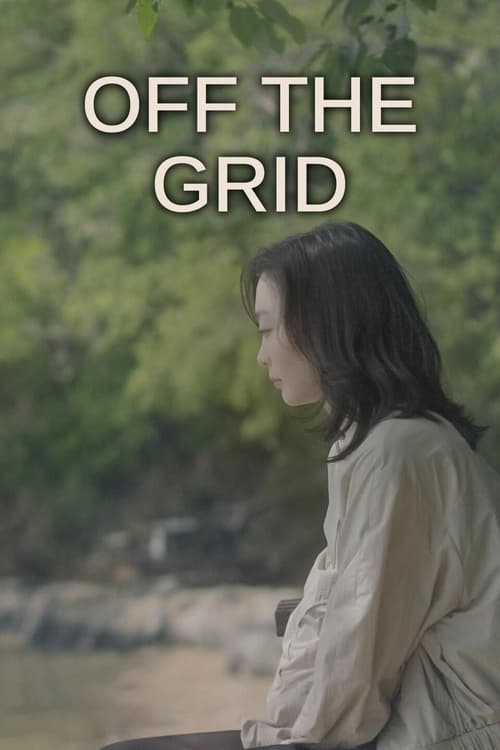
In the first episode of "Off the Grid," we are introduced to the main characters, a group of individuals seeking to escape modern society and live off the land in a remote area. They arrive at a secluded property in the wilderness, filled with dense trees and a river running nearby. Each character has their own reasons for wanting to disconnect from the world, ranging from personal trauma to a desire for self-sufficiency. As they set up camp, tensions begin to surface due to differing opinions on how to manage their new lifestyle.
The group splits into smaller teams to tackle various tasks. One team focuses on building shelter, while another gathers food and water. As they work, they face challenges such as harsh weather conditions and the difficulty of finding adequate resources. The emotional strain of their new environment begins to show, with some members expressing doubt about their decision to live off the grid. A pivotal moment occurs when one character, feeling overwhelmed, decides to leave the group, creating a rift among the remaining members.
As the days pass, the group struggles with their new reality. They encounter wildlife, which poses both a threat and a source of food. One night, a bear approaches their camp, leading to a tense standoff. The characters must work together to scare the bear away, which strengthens their bond but also highlights the dangers of their situation. This incident prompts a discussion about safety and the need for better defenses around their camp.
In the following episodes, the group faces increasing challenges, including food shortages and interpersonal conflicts. A major plot point arises when one member discovers a hidden stash of supplies left by a previous inhabitant. This discovery brings hope but also ignites jealousy and suspicion among the group. They must decide whether to share the supplies equally or hoard them for themselves, leading to heated arguments and a division in trust.
As the season progresses, the characters are tested both physically and emotionally. They experience setbacks such as injuries and illness, which force them to confront their vulnerabilities. A significant turning point occurs when a storm hits, destroying part of their shelter and forcing them to work together to rebuild. This event serves as a catalyst for personal growth, as characters begin to confront their pasts and support one another in ways they hadn't before.
In the climax of the season, a major conflict arises when a rival group of survivalists encroaches on their territory. This confrontation escalates into a tense standoff, with both groups vying for control over the resources in the area. The characters must make critical decisions about whether to fight for their claim or negotiate a truce. The outcome of this confrontation leads to significant changes in the group dynamics, as some members choose to leave while others decide to stay and fight for their new way of life.
The season concludes with the remaining characters reflecting on their journey. They have faced numerous challenges and have grown closer as a result. However, the unresolved tensions and the threat of outside forces linger, leaving their future uncertain. The final scene shows them standing together at the edge of their camp, looking out at the wilderness, contemplating what lies ahead as they prepare for the next chapter of their off-grid existence.








What is the ending?
In the ending of "Off the Grid," the main characters face the culmination of their struggles for survival and self-sufficiency. They confront the harsh realities of living off the land, leading to significant personal revelations and decisions about their futures. Ultimately, they find a sense of peace and acceptance in their choices, with some deciding to continue their off-grid lifestyle while others choose to return to society.
As the final scenes unfold, the sun sets over the rugged landscape, casting a warm glow on the characters who have endured a transformative journey. Each character reflects on their experiences, revealing their growth and the bonds they have formed. The series concludes with a sense of hope and resilience, emphasizing the importance of community and the connection to nature.
The final episode of "Off the Grid" begins with a panoramic view of the sprawling wilderness, the sun dipping low on the horizon, painting the sky in hues of orange and purple. The camera pans down to the main characters, who are gathered around a fire, their faces illuminated by the flickering flames. The atmosphere is heavy with a mix of exhaustion and camaraderie, a testament to the trials they have faced together.
Scene 1: As the fire crackles, Sarah, one of the central figures, shares her thoughts on the journey they have undertaken. Her voice is steady but tinged with emotion as she reflects on the challenges of living off the grid. The camera captures her expressive eyes, revealing a depth of understanding and acceptance. She speaks of the lessons learned, the importance of resilience, and the beauty of simplicity. The others listen intently, nodding in agreement, their expressions a blend of admiration and introspection.
Scene 2: The focus shifts to Mark, who has been struggling with his decision to leave the group and return to urban life. He stands slightly apart from the others, his body language closed off, arms crossed. As Sarah speaks, he wrestles with his internal conflict, torn between the allure of modern conveniences and the profound connection he has developed with nature and his companions. The camera captures a close-up of his furrowed brow, highlighting his turmoil.
Scene 3: In a moment of vulnerability, Mark finally speaks up, admitting his fears about returning to a life filled with distractions and disconnection. He expresses gratitude for the experiences shared with the group, acknowledging how they have changed him. The others rally around him, offering support and encouragement. This scene emphasizes the theme of community, showcasing how their bonds have strengthened through adversity.
Scene 4: As night falls, the group decides to take a final hike to a nearby overlook, a place they have come to cherish. The journey is filled with laughter and shared stories, a stark contrast to the earlier struggles they faced. The camera captures the beauty of the landscape, the stars beginning to twinkle above them, symbolizing hope and new beginnings. Each character's face reflects a sense of peace, a moment of unity before they face their individual paths.
Scene 5: At the overlook, they pause to take in the breathtaking view. Sarah suggests they each share their plans for the future. One by one, they express their intentions: Sarah and Jake decide to continue their off-grid lifestyle, feeling a deep connection to the land and each other. Mark, after much contemplation, chooses to return to the city but vows to carry the lessons learned with him, promising to stay in touch with the group. The camera captures the bittersweet expressions on their faces, a mix of joy for their shared experiences and sadness for the impending separation.
Scene 6: The episode concludes with the group embracing, a poignant moment filled with unspoken words and emotions. As they part ways, the camera lingers on the landscape, the fire still burning in the background, symbolizing the enduring spirit of their journey. The final shot is of the stars shining brightly above, a reminder of the vast possibilities that lie ahead for each character.
In the end, "Off the Grid" leaves viewers with a sense of closure, highlighting the characters' growth and the choices they have made. Each character's fate reflects their personal journey, emphasizing the importance of self-discovery, community, and the connection to nature.
Is there a post-credit scene?
In the TV show "Off the Grid," produced in 2021, there is no post-credit scene. The series concludes its episodes without any additional content after the credits roll. Each episode wraps up its narrative arcs and character developments, leaving viewers with a sense of closure regarding the challenges faced by the characters living off the grid. The focus remains on the main storyline and the experiences of the individuals as they navigate their new lifestyles, rather than teasing future events or providing extra scenes.
How do the relationships between the characters evolve throughout the series?
As the series progresses, the relationships between the characters deepen and become more complex. Initial tensions and conflicts arise from differing survival philosophies and personal backgrounds, but as they face challenges together, they develop a sense of camaraderie and mutual respect. Emotional moments reveal vulnerabilities, leading to stronger bonds and a sense of family among the group.
What challenges do the characters face while trying to live off the grid?
The characters in 'Off the Grid' face numerous challenges, including harsh weather conditions, limited access to resources, and the struggle to maintain their self-sufficiency. They must learn to adapt to their environment, often facing physical exhaustion and emotional strain as they navigate the difficulties of building shelters, sourcing food, and dealing with isolation.
What specific skills do the characters learn to survive in the wilderness?
Throughout 'Off the Grid', characters learn a variety of survival skills, including foraging for edible plants, building fires without matches, constructing shelters from natural materials, and hunting or fishing for food. These skills are often taught through trial and error, showcasing their growth and resilience as they adapt to their new lifestyle.
What internal conflicts do the characters experience while living off the grid?
The characters grapple with internal conflicts such as the struggle between their desire for independence and the loneliness that comes with isolation. Some characters question their decision to leave behind their previous lives, while others confront fears of failure and self-doubt as they navigate the challenges of survival. These emotional struggles are depicted through their interactions and personal reflections.
How do the characters' pasts influence their decisions in the wilderness?
The characters' pasts play a significant role in shaping their motivations and decisions throughout the series. For instance, some characters may have experienced trauma or dissatisfaction in their previous lives, driving them to seek a simpler, more fulfilling existence off the grid. Flashbacks and conversations reveal how their histories inform their approaches to survival and their relationships with one another.
Is this family friendly?
"Off the Grid," produced in 2021, follows families as they attempt to live independently and sustainably away from modern conveniences. While the show primarily focuses on survival skills, self-sufficiency, and the challenges of off-grid living, there are a few aspects that may be considered objectionable or upsetting for children or sensitive viewers.
-
Survival Challenges: The show depicts various survival scenarios that may involve physical hardships, such as building shelters, foraging for food, and dealing with harsh weather conditions. These scenes can be intense and may evoke feelings of anxiety or fear.
-
Animal Interactions: There are moments where families interact with wildlife, which can include hunting or trapping for food. These scenes may be distressing for viewers who are sensitive to animal welfare or the realities of food sourcing.
-
Conflict and Tension: The stress of living off the grid can lead to conflicts among family members or between families. These moments can be emotionally charged and may include arguments or displays of frustration.
-
Isolation: The theme of isolation is prevalent, as families are often cut off from modern society. This can evoke feelings of loneliness or despair, which might be unsettling for some viewers.
-
Physical Risks: The show may portray physical risks associated with off-grid living, such as injuries while building or exploring. These scenes can be alarming, especially for younger viewers.
Overall, while "Off the Grid" is primarily focused on the positive aspects of self-sufficiency and family bonding, the challenges and realities of off-grid living may present some potentially upsetting content for children or sensitive individuals.