

Popular
What are the main character's motivations throughout the series?
What role does the setting play in the character's development?
How does the relationship between Anna and her best friend evolve?
How does Anna cope with her grief throughout the series?
What is the significance of the recurring motif of time in the series?
Should I watch it?
Ask Your Own Question

What is the plot?
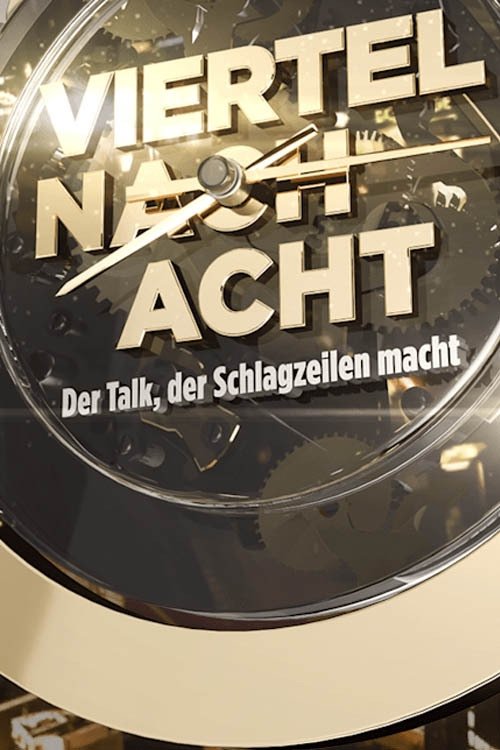
In the opening scene of "Viertel nach Acht," we are introduced to the main character, a young woman named Anna, who is struggling with the recent loss of her father. The scene is set in a small, dimly lit apartment where Anna is seen going through her father's belongings, her face a mixture of sadness and nostalgia. She finds an old watch that belonged to him, which becomes a significant symbol throughout the series. The emotional weight of her father's death is palpable as she reflects on their relationship, revealing her deep sense of loss and unresolved feelings.
As the story progresses, Anna attends her father's funeral, where she encounters various family members and friends. Tension arises when her estranged brother, Max, shows up unexpectedly. Their relationship is strained due to past conflicts, and the funeral serves as a backdrop for their unresolved issues. The atmosphere is thick with unspoken words and lingering resentment, particularly when Max makes a dismissive comment about their father's legacy, prompting Anna to confront him. This confrontation sets the stage for their complicated sibling dynamic, filled with anger and hurt.
Following the funeral, Anna decides to take a trip to their childhood home, hoping to find closure. The house is old and filled with memories, and as she explores the rooms, she discovers a hidden compartment in her father's study. Inside, she finds a series of letters addressed to her, revealing secrets about her father's life that she never knew. The letters detail his struggles and regrets, deepening Anna's emotional turmoil as she grapples with the idea that she never truly understood her father.
Meanwhile, Max is dealing with his own demons. He is shown in a series of flashbacks, struggling with addiction and the pressure of living up to their father's expectations. These scenes provide insight into his character, showcasing his vulnerability and the reasons behind his estrangement from Anna. As the narrative unfolds, we see Max attempting to reach out to Anna, but his efforts are met with resistance as she is still hurt by their past.
The plot thickens when Anna receives a mysterious phone call from an unknown number, leading her to a local café where she meets a woman named Clara. Clara claims to have known their father and offers to share more about his life. Intrigued yet cautious, Anna agrees to meet with Clara again. Their conversations reveal more about their father's hidden past, including his involvement in a secretive organization that Anna had never heard of. This revelation adds a layer of intrigue and compels Anna to dig deeper into her father's history.
As Anna continues her investigation, she discovers that her father had been involved in a controversial project that had significant implications for the community. This discovery leads her to confront local officials and community members who were affected by her father's actions. The emotional stakes rise as Anna grapples with the duality of her father's legacy--both the loving parent she knew and the flawed man he was in the eyes of others.
Tensions escalate when Max, feeling increasingly alienated, confronts Anna about her obsession with their father's past. This confrontation turns heated, with both siblings airing their grievances. Anna accuses Max of running away from their family's issues, while Max accuses Anna of romanticizing their father's flaws. The argument culminates in a physical altercation, forcing them to confront their pain and the impact of their father's choices on their lives.
In a pivotal moment, Anna decides to confront Clara about the information she has been sharing. During their meeting, Clara reveals that she has been keeping secrets of her own, including her own connection to the organization their father was involved with. This revelation shakes Anna to her core, as she realizes that her father's life was intertwined with people and events that she had no idea about. The emotional weight of this truth forces Anna to reevaluate her understanding of her father and her own identity.
As the series nears its climax, Anna and Max are drawn together by their shared grief and the need to understand their father's legacy. They begin to work together to uncover the full extent of their father's involvement in the controversial project. Their journey takes them to various locations, including old archives and interviews with people who knew their father. Each step brings them closer to the truth, but also deepens their emotional scars as they confront the reality of their father's choices.
In the final episodes, Anna and Max uncover a shocking truth about their father's past that has far-reaching consequences for their family and the community. They learn that their father's actions had led to significant harm, and they must decide how to reconcile this knowledge with their memories of him. The siblings face a moral dilemma: should they expose the truth and risk tarnishing their father's legacy, or should they protect his memory at all costs?
The series concludes with Anna and Max standing at their father's grave, reflecting on their journey. They share a moment of understanding and forgiveness, acknowledging the complexity of their father's life and their own struggles. The emotional weight of their shared experiences brings them closer together, suggesting a new beginning for their relationship as they move forward, carrying both the pain and the love for their father.
More TV Shows Like This
Browse All TV Shows →



What is the ending?
In the ending of "Viertel nach Acht," the main characters confront their unresolved issues, leading to a series of emotional revelations. The story culminates in a tense dinner where secrets are unveiled, relationships are tested, and ultimately, the characters find a path toward reconciliation or acceptance of their circumstances.
As the final scenes unfold, the atmosphere is thick with anticipation. The camera pans over a beautifully set dining table, adorned with flickering candles and an array of dishes that symbolize both celebration and tension. The characters gather, each carrying the weight of their personal struggles and unresolved conflicts.
The first scene begins with Anna, visibly anxious, adjusting her dress in the mirror. Her reflection reveals not just her physical appearance but the emotional turmoil she feels about the evening ahead. She takes a deep breath, steeling herself for the confrontation she knows is coming.
Next, we see Lukas arriving at the dinner, his expression a mix of determination and apprehension. He carries a small gift, a token of goodwill, but his mind is racing with thoughts of the past and the mistakes he has made. As he enters the room, the atmosphere shifts; the tension is palpable.
The dinner begins with small talk, but it quickly becomes clear that the underlying issues cannot be ignored. The camera captures the subtle glances and the strained smiles, each character trying to maintain a facade of normalcy. As the main course is served, Anna finally breaks the silence, her voice trembling as she addresses the elephant in the room.
In a pivotal moment, she confronts Lukas about his past actions, her emotions spilling over. The camera zooms in on her face, capturing the tears welling in her eyes as she speaks. Lukas, taken aback, struggles to find the right words. His internal conflict is evident; he wants to apologize but fears it may not be enough to mend the rift between them.
As the conversation escalates, other characters chime in, each revealing their own grievances and fears. The dialogue is raw and honest, filled with moments of vulnerability. The scene shifts between close-ups of the characters' faces, showcasing their emotional states--anger, regret, sadness, and a flicker of hope.
In the climax of the dinner, a heated argument erupts, leading to a moment of silence where everyone reflects on what has been said. The camera captures the weight of the silence, allowing the audience to feel the gravity of the situation. It is in this moment that each character must decide whether to continue holding onto their pain or to seek forgiveness and understanding.
As the dinner concludes, the characters begin to find common ground. Anna and Lukas share a quiet moment, their eyes locking in a silent agreement to move forward. The tension begins to dissipate, replaced by a sense of tentative hope.
The final scene shows the characters leaving the table, their expressions transformed. Anna walks out with a newfound sense of strength, while Lukas lingers for a moment, reflecting on the journey ahead. The camera follows him as he steps outside, the night air cool against his skin, symbolizing a fresh start.
In the closing moments, the screen fades to black, leaving the audience with a sense of resolution. Each character has faced their demons, and while not all wounds are healed, there is a sense of possibility for the future. The fate of Anna and Lukas is left open-ended, suggesting that while the path to reconciliation is fraught with challenges, it is also filled with the potential for growth and understanding.
Is there a post-credit scene?
In the TV show "Viertel nach Acht," produced in 2021, there is no post-credit scene. The series concludes its narrative without any additional scenes after the credits roll. The final moments of the last episode wrap up the main story arcs and character developments, leaving viewers with a sense of closure regarding the characters' journeys and the themes explored throughout the series. The absence of a post-credit scene emphasizes the resolution of the plot and the emotional states of the characters as they move forward in their lives.
What are the main character's motivations throughout the series?
The main character, a young woman named Anna, is driven by her desire to find her place in the world after a personal tragedy. Her journey is marked by a quest for identity and belonging, as she navigates complex relationships with her family and friends.
What role does the setting play in the character's development?
The setting, a small town with a tight-knit community, serves as both a comfort and a constraint for Anna. The familiar streets evoke memories of her past, while the close scrutiny of neighbors amplifies her feelings of isolation and pressure, ultimately pushing her to seek change.
How does the relationship between Anna and her best friend evolve?
Anna's relationship with her best friend, Lisa, undergoes significant strain as secrets are revealed. Initially, they share a close bond, but as Anna grapples with her grief and Lisa's own struggles come to light, misunderstandings and jealousy create tension, leading to a pivotal confrontation.
How does Anna cope with her grief throughout the series?
Anna's coping mechanisms are varied and evolve over time. Initially, she isolates herself, avoiding social interactions. As the series progresses, she begins to express her emotions through art, finding solace in creativity, which becomes a crucial outlet for her pain and a means of connecting with others.
What is the significance of the recurring motif of time in the series?
The motif of time is central to Anna's journey, symbolizing her struggle to move forward while being haunted by the past. Flashbacks interspersed throughout the narrative highlight key moments that shaped her, illustrating her internal conflict between holding on and letting go.
Is this family friendly?
"Viertel nach Acht," produced in 2021, is a drama series that delves into complex family dynamics and personal struggles. While it does not contain overtly graphic content, there are several aspects that may be considered objectionable or upsetting for children or sensitive viewers:
-
Emotional Turmoil: The series explores themes of loss, betrayal, and familial conflict, which may evoke strong emotional responses. Characters often experience intense feelings of sadness, anger, and frustration.
-
Conflict and Arguments: There are scenes featuring heated arguments between family members, which may be distressing for younger viewers or those sensitive to conflict.
-
Mental Health Issues: The show touches on mental health struggles, including anxiety and depression, which may be triggering for some viewers.
-
Substance Use: There are instances of characters dealing with substance-related issues, which could be concerning for younger audiences.
-
Difficult Life Choices: Characters face morally ambiguous decisions that may provoke discussions about ethics and consequences, potentially leading to discomfort.
Overall, while "Viertel nach Acht" is not explicitly inappropriate, its themes and emotional depth may require parental guidance for younger viewers.