


Popular
What motivates Mesut Bey to take on the challenges he faces throughout the series?
How does Mesut Bey's relationship with his colleagues evolve over the course of the series?
What are the key conflicts that arise between Mesut Bey and the antagonist in the series?
How does the series portray Mesut Bey's internal struggles with his past?
What role does the setting play in shaping the narrative of Yalnizim Mesut Bey?
Should I watch it?
Ask Your Own Question

What is the plot?
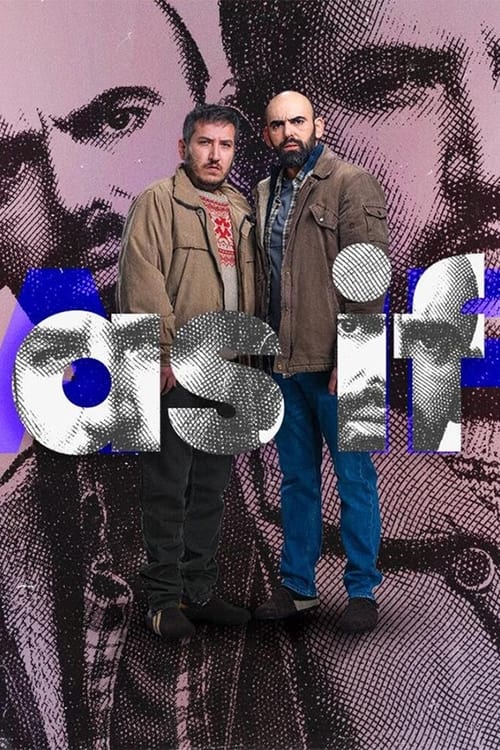
"Yalnizim Mesut Bey" begins with Mesut, a middle-aged police officer, who is struggling with the loneliness of his life. He is depicted as a dedicated but somewhat isolated figure, often seen patrolling the streets of Istanbul. His personal life is marked by a lack of meaningful relationships, and he often reflects on his past choices, which have led him to this point of solitude.
In the first episode, Mesut is called to a crime scene where a body has been discovered. The victim is a young woman, and the investigation reveals that she was involved in a complex web of relationships. Mesut's determination to solve the case is fueled by his desire to connect with others and find purpose in his work. As he interviews witnesses, he uncovers a series of secrets that hint at a larger conspiracy.
As the investigation progresses, Mesut faces pushback from his superiors, who are more concerned with public relations than justice. This tension leads to a pivotal moment where Mesut decides to go rogue, pursuing leads on his own. He visits the victim's family, where he learns about her struggles and the pressures she faced, deepening his emotional investment in the case.
In a dramatic turn, Mesut discovers that the victim had been involved with a powerful businessman, who becomes a prime suspect. Mesut's confrontation with the businessman is tense; he uses his intuition and experience to extract information, but the businessman remains evasive. This encounter highlights Mesut's frustration with the system and his growing sense of isolation as he realizes he cannot rely on his colleagues.
The plot thickens when Mesut receives anonymous threats warning him to drop the case. Instead of backing down, he becomes more determined, leading to a series of late-night stakeouts and clandestine meetings with informants. During one of these meetings, he learns about a drug trafficking ring that the victim was inadvertently involved with, linking her death to a larger criminal operation.
As Mesut delves deeper, he faces increasing danger. He is attacked by thugs sent by the businessman, which leads to a gripping fight scene. Mesut, despite being outnumbered, uses his training to fend them off, showcasing his resilience and determination. This confrontation leaves him physically injured but more resolved than ever to uncover the truth.
In the following episodes, Mesut's personal life begins to intertwine with the case. He forms a bond with the victim's sister, who is also searching for answers. Their relationship develops as they share their grief and frustrations, providing Mesut with a glimpse of the connection he has been missing in his life. This emotional bond motivates him further, pushing him to take risks he wouldn't have considered before.
The climax of the series occurs when Mesut finally gathers enough evidence to confront the businessman publicly. He organizes a press conference, where he reveals the connections between the victim, the businessman, and the drug ring. This bold move puts him in direct conflict with powerful figures, leading to a tense standoff that culminates in a dramatic chase through the streets of Istanbul.
In the final episodes, Mesut faces the consequences of his actions. He is suspended from the police force, but he remains undeterred. With the help of the victim's sister and a few loyal friends, he continues to pursue justice outside the confines of the law. The series concludes with Mesut finally bringing the criminals to justice, but at a personal cost. He realizes that while he has solved the case, his journey has left him more isolated than ever, reflecting on the sacrifices he made for the truth. The final scene shows him standing alone on a rooftop, looking out over the city, symbolizing both his triumph and his enduring loneliness.








What is the ending?
In the ending of "Yalnizim Mesut Bey," Mesut Bey confronts his past and the choices he has made throughout his life. He finds a sense of closure and acceptance, ultimately deciding to embrace his solitude while also acknowledging the connections he has formed. The series concludes with a poignant moment of reflection, as Mesut stands alone, yet at peace with himself.
As the final episode unfolds, we see Mesut Bey sitting in his modest apartment, the walls adorned with memories of his life. The camera pans slowly, capturing the remnants of his past--photos of friends, family, and moments of joy and sorrow. Mesut's expression is a mix of nostalgia and resignation, as he contemplates the relationships that have shaped him.
In a flashback sequence, we witness key moments from Mesut's life, including his struggles with loneliness and the impact of his choices on those around him. These memories are interspersed with scenes of his interactions with his neighbors and friends, highlighting the warmth and camaraderie that he has often overlooked. The emotional weight of these recollections is palpable, as Mesut grapples with feelings of regret and longing.
The narrative shifts back to the present, where Mesut receives a visit from his old friend, who has been a constant presence in his life. Their conversation is filled with unspoken words and shared understanding. Mesut's friend encourages him to reconnect with the people he has distanced himself from, urging him to take a step towards rebuilding those relationships. Mesut listens intently, his eyes reflecting a flicker of hope amidst his usual stoicism.
As the day progresses, Mesut takes a walk through his neighborhood, observing the lives of those around him. He sees families laughing, children playing, and couples sharing tender moments. Each scene serves as a reminder of the connections he has missed out on. Mesut's heart feels heavy, yet there is a growing realization that he can still forge new paths.
In the final moments of the episode, Mesut returns home, where he finds a letter from a long-lost friend. The letter expresses a desire to reconnect and reminisce about their shared past. Mesut's eyes well up with emotion as he reads the heartfelt words. This moment signifies a turning point for him, as he understands that while solitude has been his companion, it does not have to define his future.
The series concludes with Mesut standing on his balcony, gazing out at the sunset. The vibrant colors of the sky reflect the complexity of his emotions--hope, sadness, and a newfound determination. He takes a deep breath, feeling a sense of peace wash over him. The camera slowly zooms out, leaving Mesut as a solitary figure against the backdrop of a bustling city, symbolizing both his isolation and the potential for connection that lies ahead.
In this ending, Mesut Bey's journey comes full circle. He acknowledges his past mistakes and embraces the possibility of change, leaving viewers with a sense of optimism for his future. The fate of Mesut is one of acceptance and the understanding that while he may be alone, he is not without the capacity for connection and growth.
Is there a post-credit scene?
In the TV show "Yalnizim Mesut Bey," there is indeed a post-credit scene that adds an intriguing layer to the narrative.
As the credits roll, the screen fades back in to a dimly lit café where Mesut, the protagonist, sits alone at a corner table, nursing a cup of coffee. The atmosphere is heavy with a sense of solitude, mirroring his internal struggles throughout the series. The café is quiet, with only the soft clinking of cups and distant chatter providing a backdrop.
Mesut gazes out the window, lost in thought, reflecting on the events that have transpired. His expression is a mix of contemplation and weariness, hinting at the emotional toll his journey has taken on him. Just as he takes a sip of his coffee, the door swings open, and a familiar figure enters--the character of Zeynep, who has been a significant part of his life.
Zeynep approaches Mesut with a tentative smile, her eyes sparkling with a hint of mischief. She carries a small envelope, which she places on the table in front of him. The envelope is unmarked, and Mesut raises an eyebrow, curiosity piqued.
Zeynep leans in closer, her voice low and conspiratorial. "I think you might want to take a look at this. It could change everything." Her tone is playful yet serious, suggesting that this envelope holds the key to a new chapter in Mesut's life.
As Mesut opens the envelope, the scene cuts to black, leaving viewers in suspense about what lies ahead. The post-credit scene encapsulates the themes of hope and new beginnings, hinting at the possibility of redemption and connection in Mesut's otherwise lonely existence. The emotional weight of the moment resonates, inviting the audience to ponder the implications of this unexpected turn in his story.
What motivates Mesut Bey to take on the challenges he faces throughout the series?
Mesut Bey is driven by a deep sense of duty and a desire for justice. His background as a police officer instills in him a strong moral compass, compelling him to protect the innocent and confront corruption. This motivation is further complicated by his personal struggles, including the loss of loved ones and the pressure of societal expectations, which add layers to his character as he navigates the complexities of his role.
How does Mesut Bey's relationship with his colleagues evolve over the course of the series?
Initially, Mesut Bey is seen as a lone wolf, often clashing with his colleagues due to his unorthodox methods. However, as the series progresses, he begins to form deeper connections with them, particularly with his partner, who challenges his views and helps him to see the value of teamwork. This evolution is marked by moments of vulnerability, where Mesut opens up about his past, leading to a newfound respect and camaraderie among the team.
What are the key conflicts that arise between Mesut Bey and the antagonist in the series?
The primary conflict between Mesut Bey and the antagonist centers around their differing ideologies regarding justice and morality. The antagonist represents a corrupt system that prioritizes power and control, while Mesut embodies the fight for truth and integrity. Their confrontations are intense, often culminating in high-stakes situations that test Mesut's resolve and force him to confront his own limitations and fears.
How does the series portray Mesut Bey's internal struggles with his past?
Mesut Bey's internal struggles are depicted through flashbacks and moments of introspection, revealing his traumatic experiences and the impact of his past decisions. These moments are often triggered by current events in the series, leading him to question his choices and the path he has taken. The emotional weight of his past is palpable, as he grapples with guilt and the desire for redemption, which adds depth to his character and influences his actions.
What role does the setting play in shaping the narrative of Yalnizim Mesut Bey?
The setting of the series, primarily the urban landscape of Istanbul, plays a crucial role in shaping the narrative. The bustling city serves as a backdrop for Mesut Bey's investigations, reflecting the chaos and complexity of the cases he encounters. The contrasting environments, from the gritty streets to the more affluent areas, highlight the social disparities and moral dilemmas faced by the characters, enhancing the overall tension and urgency of the story.
Is this family friendly?
"Yalnizim Mesut Bey," produced in 2022, is a Turkish drama series that explores themes of loneliness, personal struggles, and the complexities of human relationships. While the show has its emotional depth and engaging storytelling, it does contain elements that may not be suitable for all audiences, particularly children or sensitive viewers.
-
Emotional Turmoil: The protagonist, Mesut, grapples with feelings of isolation and despair, which may be intense for younger viewers to process.
-
Family Conflicts: There are scenes depicting familial disagreements and tensions that could be distressing, showcasing the impact of personal choices on family dynamics.
-
Social Issues: The show touches on themes of societal judgment and stigma, which may be challenging for children to understand fully.
-
Depictions of Loneliness: The portrayal of loneliness and its effects on mental health can be heavy and might resonate deeply with sensitive viewers.
-
Mature Themes: While not graphic, the series does address adult themes such as betrayal, loss, and the search for belonging, which may be more appropriate for older teens and adults.
Overall, while "Yalnizim Mesut Bey" offers a rich narrative, its emotional weight and mature themes suggest that parental guidance may be advisable for younger audiences.