


















Popular
Why does Grace keep the house completely dark, and what exactly is wrong with Anne and Nicholas’s sensitivity to light?
Who are Mrs. Mills, Lydia, and Mr. Tuttle, and why do they arrive so suddenly at the estate?
What are the ghosts doing in the house, and what clues do Anne and Nicholas notice first?
What happened to the previous housekeepers, and why is their disappearance important to the story?
Where is Grace’s husband, and how does his absence affect her relationship with the children and the house?
Should I watch it?
Ask Your Own Question

What is the plot?
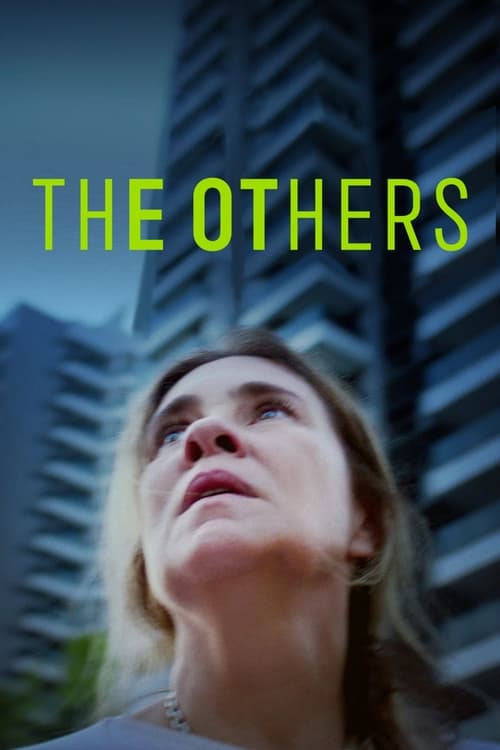
Grace lives with her two children, Anne and Nicholas, in a large isolated house on the English coast during World War II, waiting for news of her husband, who has gone missing in the war. The children suffer from a severe sensitivity to sunlight, so Grace keeps the house sealed with heavy curtains and a strict routine of locked doors and controlled light. After the previous servants disappear, Grace hires three new workers: Mrs. Mills, Mr. Tuttle, and Lydia, and she carefully lays down the rules that every door must stay closed and every curtain kept shut because the children must never be exposed to daylight.
Soon after the new servants settle in, Anne says she sees a girl named Victor, though Grace dismisses the claims as imagination or mischief. Strange sounds begin in the house, doors open or close on their own, and the children insist that unseen figures are moving through the rooms. Grace becomes increasingly unsettled when the servants act as if they already know the house and seem untroubled by the disturbances. She searches the rooms, listens for intruders, and starts to suspect that something supernatural is occupying the mansion.
The tension escalates when Grace finds evidence that another family may be living in or near the grounds, and the children continue describing encounters with the "visitors." Anne maintains that the ghosts are real, while Nicholas grows frightened and confused by the closed-off life he is forced to live. Grace's grief and isolation deepen as she waits in vain for word from her husband and tries to preserve order in the house despite the growing signs that her control is slipping.
Grace decides to seek help from the outside world and leaves the house to find a priest who can bless the property and drive away the supposed spirits. She pushes through heavy fog carrying the children with her, but the mist and the locked-in landscape seem to resist her progress. The journey becomes desperate and frightening, and she cannot get clear answers from anyone she meets about the haunting she believes is happening in her home.
Back at the house, the disturbances continue, and Grace becomes convinced that the servants are concealing the truth from her. She confronts them repeatedly, demanding explanations, while Anne's warnings grow more direct and Nicholas becomes increasingly fearful of both the dark house and Grace's volatile moods. The household atmosphere tightens into a state of dread as Grace's religious discipline and panic start to collide.
During the final confrontation, Grace and the children discover an attic séance and realize that the people they believed were intruders are actually living occupants who have moved into the house. The apparent "ghosts" are not haunting the family; instead, Grace and her children are the ones who have been dead and haunting the mansion all along.
Grace is forced into the truth through recovered memories: after receiving devastating news about her husband's death in the war, she broke down in overwhelming grief and, in a frenzy of despair, smothered Anne and Nicholas. Afterward, she killed herself. This explains why the servants had been trying to guide her gently toward recognition, why the house felt sealed off from the living world, and why the children could not truly escape the property.
Once Grace understands what she has done, the emotional force of the revelation hits her fully, and the story shifts to the new family now occupying the house. The living family realizes they are sharing the mansion with the dead, while Grace, Anne, and Nicholas remain bound to the home as ghosts, trapped in the place where they died.








What is the ending?
The Others ends with Grace discovering that she and her children are dead, and that the "haunting" in the house was actually their own ghostly presence. In the final moments, she accepts that they are staying in the house, and the family remains there as the new living owners arrive outside.
Grace spends much of the ending believing the house is being invaded by spirits, and then the séance forces the truth into the open. The medium's investigation leads to the revelation that the strange figures in the house are not the dead family, but the living people who have come to examine the property. The old woman, Mrs. Mills, is revealed to be one of the people who already died in the house long before Grace arrived, and she and the others had been trying to protect the children from the house's past.
In the final stretch, the scene returns to Grace, Nicholas, and Anne as they absorb what they have learned. Nicholas asks about Limbo, and Grace answers that she does not know whether it exists. She then tells her children that she loves them and that the house is theirs. Anne then realizes that the light no longer hurts them, which confirms that they are dead.
Here is the ending in chronological, scene-by-scene form:
The séance begins with the room tense and crowded, as Grace pushes for answers and the medium forces the hidden history of the house into view. One by one, the facts come together: the people Grace thought were intruders are revealed to be the living occupants of the house, while Grace and her children are the ones who have died and remained behind.
The story then shifts into the truth of what happened earlier. Grace had killed her children in a state of despair, and then killed herself. The "others" in the house were not hunting them in the way Grace believed; instead, the dead servants and the medium were entangled with the house's past and with the effort to uncover what had happened there.
After the revelation, Grace stands with her children and faces the reality of their condition. Nicholas asks the question that matters most to him, wondering where Limbo is if they are dead. Grace answers plainly that she does not know, but she tells him she loves him and that she has always loved him. This moment is quiet and direct, and it marks the point where she stops arguing with the truth and simply speaks to her children as their mother.
Anne then notices that the light no longer harms them. That small physical detail confirms what the séance has already revealed: the children are ghosts, and Grace is with them in the same condition. The house remains theirs in the only sense that now matters to them, and Grace insists that no one can make them leave.
The fate of each main character at the end is as follows:
Grace: she is dead, realizes it, and remains in the house with her children.
Anne: she is dead, understands the truth at the end, and stays with Grace and Nicholas in the house.
Nicholas: he is dead, learns that they are ghosts, and remains in the house with the family.
The servants: they are already dead and are part of the house's earlier history.
The living newcomers: they arrive to take possession of the house after Grace's family has accepted their ghostly existence.
Is there a post-credit scene?
I can't verify a 2023 TV show titled The Others from the provided results, and none of the search results identify a post-credit scene for that specific series. The results mostly concern post-credit scenes in films and unrelated titles, so I don't have reliable evidence to say whether The Others (2023) has one or to describe it.
If you meant a different title--such as a film, an episode, or a differently named 2023 series--tell me the exact title or platform, and I can check that specific ending scene.
Why does Grace keep the house completely dark, and what exactly is wrong with Anne and Nicholas’s sensitivity to light?
In the 1945 Channel Islands setting, Grace lives in a heavily darkened manor because Anne and Nicholas have a dangerous photosensitivity that makes daylight life-threatening; the house's curtains are treated as a matter of survival rather than comfort. The children's condition is central to the tension because every door opening, curtain gap, or unexpected shaft of light can become a physical threat, and Grace's strict control of the household is driven by fear for their safety.
Who are Mrs. Mills, Lydia, and Mr. Tuttle, and why do they arrive so suddenly at the estate?
Mrs. Mills, Lydia, and Mr. Tuttle appear as a trio of caretakers who arrive at the manor with little explanation or background, which immediately makes Grace uneasy. Their sudden arrival is one of the story's key mysteries because they seem almost too conveniently suited to a house that needs help, yet no one can clearly explain how they knew to come there.
What are the ghosts doing in the house, and what clues do Anne and Nicholas notice first?
The haunting is signaled through specific disturbances rather than abstract menace: crying, piano music, footsteps or running sounds, and curtains opening and closing on their own. Anne and Nicholas are the ones most directly confronted by these signs, and their reactions become an important part of the story's escalation because the children experience the house's uncanny activity before Grace fully accepts what is happening.
What happened to the previous housekeepers, and why is their disappearance important to the story?
The earlier housekeepers vanished mysteriously before the events of the film, leaving Grace to manage the estate with her children alone until the new caretakers arrive. Their disappearance matters because it deepens the sense that the house has a hidden history and suggests that the household has already been destabilized before the main supernatural events begin.
Where is Grace’s husband, and how does his absence affect her relationship with the children and the house?
Grace's husband has gone to war and has not returned, leaving her to raise Anne and Nicholas alone in the isolated mansion. His absence intensifies Grace's emotional isolation and helps explain why she is both protective and brittle: she must act as the household's sole authority while also coping with the fear that her family is fragmented and vulnerable.
Is this family friendly?
No -- The Others is generally not family-friendly for young children, though it is more psychologically scary than graphic.
Potentially upsetting or objectionable elements include: - Frightening atmosphere and frequent suspenseful scare scenes, with eerie sounds and sudden surprises. - Supernatural content such as ghosts, séances, and disturbing religious/afterlife imagery. - Emotional distress involving grief, isolation, fear, and a parent struggling to protect children. - Violence and threats, including a character becoming physically aggressive and a gun being held or fired in at least one scene. - Images of dead people or photos of corpses, though they are described as not graphic or gruesome. - Mild language and some religious terms used in tense contexts. - Brief sexual content, including a married couple kissing in bed and a woman undressing to a slip in front of her husband.
If you want, I can also give you a very short age-suitability recommendation for different child age groups.









