
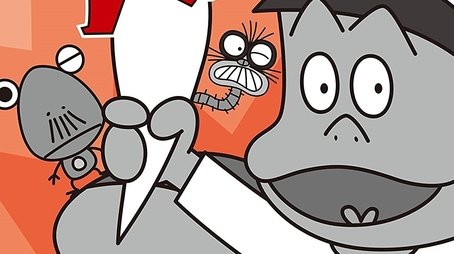


Popular
What are the main characteristics of the protagonist, Ataro?
How does Ataro's relationship with his family influence his adventures?
What role do the supporting characters play in Ataro's journey?
What are some of the notable conflicts Ataro faces throughout the series?
How does the setting of the show influence the plot and character interactions?
Should I watch it?
Ask Your Own Question

What is the plot?
The story begins with the introduction of the main character, Atarou, a mischievous and energetic young boy who is known for his wild antics and carefree attitude. He lives in a small town with his family, and his adventures often lead him into trouble. Atarou's personality is characterized by his impulsiveness and a strong sense of justice, which often drives him to intervene in situations where he feels others are being wronged.
One day, Atarou encounters a group of bullies who are picking on a classmate. Fueled by his desire to protect the weak, he confronts the bullies, leading to a chaotic scene where he uses his quick wit and agility to outsmart them. This confrontation establishes Atarou's role as a protector of the underdog, showcasing his bravery and determination.
As the story progresses, Atarou's antics attract the attention of various townsfolk, including his friends and family. His mother, who is often exasperated by his behavior, tries to instill some discipline in him, but Atarou's free spirit makes it difficult for her to keep him in line. This dynamic adds a layer of emotional depth to Atarou's character, as he struggles between his desire for freedom and the expectations placed upon him by his family.
In a pivotal scene, Atarou discovers a mysterious artifact while exploring an abandoned building. This artifact possesses strange powers, and Atarou's curiosity leads him to experiment with it. As he activates the artifact, it unleashes a series of bizarre events that affect the entire town. The townspeople begin to experience strange phenomena, and chaos ensues as they try to make sense of the situation.
Realizing that he is responsible for the chaos, Atarou feels a deep sense of guilt and responsibility. He decides to take action to rectify the situation, which leads him on a quest to find a way to reverse the effects of the artifact. Along the way, he encounters various characters who either help or hinder his progress, including a wise old man who provides him with crucial information about the artifact's origins.
Atarou's journey takes him through a series of challenges, including confrontations with supernatural beings that have been unleashed by the artifact. Each encounter tests his courage and resourcefulness, forcing him to rely on his instincts and the support of his friends. The emotional stakes rise as Atarou grapples with the consequences of his actions and the impact they have on those around him.
In a climactic showdown, Atarou faces off against the main antagonist, a powerful entity that seeks to harness the artifact's power for its own nefarious purposes. The battle is intense, with Atarou using all of his skills and the lessons he has learned throughout his journey. The fight is filled with dramatic moments, showcasing Atarou's growth as a character and his determination to protect his friends and family.
Ultimately, Atarou manages to defeat the antagonist and restore balance to the town. He learns valuable lessons about responsibility, friendship, and the importance of thinking before acting. The story concludes with Atarou returning to his normal life, but with a newfound sense of maturity and understanding of the consequences of his actions. The townspeople celebrate his bravery, and Atarou's relationship with his family improves as they recognize his growth. The final scenes depict Atarou looking forward to new adventures, hinting at the possibility of more escapades in the future.








What is the ending?
In the ending of the 1969 TV show もーれつア太郎, the main character, Atarō, faces off against his rival, the villainous Kuroda. After a series of comedic and chaotic encounters, Atarō ultimately triumphs, restoring peace and order. The show concludes with Atarō's friends and family celebrating his victory, highlighting the importance of friendship and perseverance.
Now, let's delve into the ending in a more detailed, chronological narrative.
As the final episode unfolds, the scene opens with Atarō standing in a bustling town square, the sun shining brightly overhead. The atmosphere is tense, as the townspeople whisper anxiously about the looming threat posed by Kuroda, who has been wreaking havoc throughout the town. Atarō, with his signature spiky hair and determined expression, rallies his friends, including the loyal and quirky characters who have supported him throughout the series. They gather around him, their faces a mix of concern and hope.
The scene shifts to Kuroda's lair, a dark and foreboding place filled with traps and menacing gadgets. Kuroda, with his slicked-back hair and sinister grin, is seen plotting his next move, confident in his ability to outsmart Atarō. He boasts to his henchmen about his plans to take over the town, his voice dripping with arrogance. The contrast between Kuroda's dark demeanor and Atarō's bright spirit sets the stage for the impending confrontation.
Back in the town square, Atarō and his friends devise a plan to confront Kuroda. They gather supplies, showcasing their unique skills and personalities. The scene is filled with comedic moments as they bicker and joke, but underlying their banter is a palpable sense of camaraderie and determination. Atarō's leadership shines through as he encourages his friends, reminding them of the strength they possess when united.
The climax arrives as Atarō and his friends storm Kuroda's lair. The atmosphere is charged with excitement and tension. They navigate through various traps, each character using their special abilities to overcome obstacles. Atarō's bravery is evident as he leads the charge, his heart racing with adrenaline. The action is fast-paced, filled with slapstick humor and clever gags that keep the audience engaged.
Finally, Atarō confronts Kuroda in a dramatic showdown. The two engage in a battle of wits and strength, with Kuroda initially gaining the upper hand. However, Atarō's resilience shines through as he recalls the support of his friends and the lessons he has learned throughout their adventures. With a burst of energy, he outsmarts Kuroda, using a clever trick that showcases his growth as a character.
As Kuroda is defeated, the scene shifts back to the town square, where the townspeople gather to celebrate Atarō's victory. The atmosphere is jubilant, filled with laughter and cheers. Atarō's friends surround him, their faces beaming with pride and relief. They embrace him, expressing their gratitude for his bravery and leadership. The camera pans over the crowd, capturing the joy and unity that has been restored to the town.
In the final moments, Atarō stands at the center of the celebration, a wide smile on his face. He reflects on the journey they have taken together, the challenges they have faced, and the bonds they have formed. The screen fades to black as the sounds of laughter and celebration echo, leaving the audience with a sense of closure and warmth.
In summary, the ending of もーれつア太郎 encapsulates themes of friendship, perseverance, and the triumph of good over evil. Each character finds their place in the resolution, with Atarō emerging as a true hero, supported by his loyal friends who have grown alongside him throughout their adventures.
Is there a post-credit scene?
The 1969 anime series もーれつア太郎 (Moretsu Ataro) does not feature post-credit scenes. The episodes typically conclude with a brief wrap-up of the story, often accompanied by a comedic or light-hearted moment that reflects the overall tone of the series. The focus remains on the main narrative and character interactions throughout the episodes, without the inclusion of additional scenes after the credits. The show is known for its vibrant animation and humorous storytelling, centering around the misadventures of Ataro and his friends, rather than any extended epilogues or post-credit content.
What are the main characteristics of the protagonist, Ataro?
Ataro is depicted as a mischievous and energetic young boy with a strong sense of justice. He often finds himself in humorous situations due to his impulsive nature and desire to help others, even if it leads to trouble. His determination and bravery shine through as he faces various challenges throughout the series.
How does Ataro's relationship with his family influence his adventures?
Ataro's family, particularly his father, plays a significant role in shaping his character. His father's strict yet caring demeanor often serves as a contrast to Ataro's carefree attitude. This dynamic creates comedic tension, as Ataro frequently tries to navigate his father's expectations while pursuing his own adventures.
What role do the supporting characters play in Ataro's journey?
Supporting characters, such as Ataro's friends and rivals, add depth to the narrative. They often accompany him on his escapades, providing comic relief and different perspectives on the situations they encounter. Their interactions highlight Ataro's growth and the importance of friendship in overcoming obstacles.
What are some of the notable conflicts Ataro faces throughout the series?
Ataro faces various conflicts, including rivalries with neighborhood bullies, misunderstandings with adults, and challenges posed by supernatural elements. Each conflict tests his resolve and ingenuity, often leading to humorous resolutions that reinforce his character's resilience and creativity.
How does the setting of the show influence the plot and character interactions?
The setting, a vibrant and bustling neighborhood, serves as a backdrop for Ataro's adventures. It is filled with colorful characters and unique locations that contribute to the story's humor and charm. The interactions between Ataro and the townspeople reflect the cultural context of the time, adding layers to the narrative.
Is this family friendly?
The 1969 anime "もーれつア太郎" (Mōretsu Atarō) is generally considered family-friendly, but it does contain some elements that may be objectionable or upsetting for children or sensitive viewers. Here are a few aspects to consider:
-
Mild Violence: The show features slapstick humor and comedic fights, which may include exaggerated physical comedy that could be perceived as violent, though it is not graphic.
-
Slightly Suggestive Humor: There are instances of innuendo and suggestive jokes that may go over the heads of younger viewers but could be uncomfortable for some parents.
-
Character Conflicts: The interactions between characters can sometimes lead to misunderstandings or conflicts that may evoke feelings of frustration or sadness, particularly in scenes where characters face rejection or ridicule.
-
Emotional Turmoil: Some episodes explore themes of loneliness or failure, which might resonate with sensitive viewers, as characters navigate their personal struggles.
-
Cultural References: Certain cultural references or humor may not be easily understood by all audiences, potentially leading to confusion or discomfort.
Overall, while "もーれつア太郎" is designed for a younger audience, these elements may warrant parental guidance for sensitive viewers.