
















Popular
How does the relationship between the characters evolve throughout the series?
What motivates the main characters to join the Decembrists' movement?
What role does the setting play in the characters' actions and decisions?
How do the characters deal with the consequences of their revolutionary actions?
What are the key turning points in the plot that affect the characters' fates?
Should I watch it?
Ask Your Own Question

What is the plot?
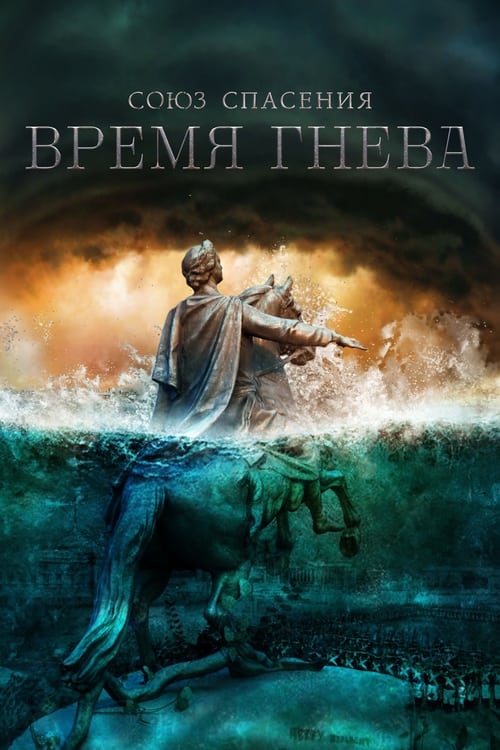
In the opening scenes of "Union of Salvation: Time of Anger," the narrative is set against the backdrop of early 19th-century Russia, where the discontent among the military ranks is palpable. The main characters, a group of young officers, are introduced, each grappling with their own disillusionment regarding the autocratic rule of Tsar Nicholas I. The camaraderie among them is evident, but so is the tension stemming from their differing views on how to address their grievances.
As the story unfolds, the officers, led by the passionate and idealistic Pavel Pestel, begin to discuss the possibility of reforming the government. They gather in secret meetings, where they share their frustrations about the oppressive regime and the lack of freedom for the people. Pestel's fervor ignites a spark among his peers, and they start to consider the formation of a revolutionary society aimed at overthrowing the Tsar.
The plot thickens when the officers decide to take action. They plan a coup to seize power during a military parade, believing that the chaos of the event will provide the perfect cover for their uprising. The tension builds as they prepare for the day, each officer wrestling with the weight of their decision and the potential consequences of their actions. The stakes are high, and the fear of failure looms over them.
On the day of the coup, the officers execute their plan. As the parade begins, they move into position, their hearts racing with a mix of excitement and dread. The atmosphere is charged with anticipation. When the signal is given, they spring into action, attempting to seize key locations and rally support from fellow soldiers. However, chaos ensues as the plan quickly unravels. The officers face unexpected resistance, and the situation spirals out of control.
In the midst of the turmoil, a fierce confrontation breaks out between the rebels and loyalist troops. The clash is brutal, with swords clashing and gunfire echoing through the streets. The officers fight valiantly, but they are outnumbered and outmaneuvered. The emotional weight of betrayal and fear is palpable as they realize that their comrades are not as united as they had hoped. Some soldiers hesitate, torn between loyalty to the Tsar and their desire for change.
As the battle rages on, key characters face pivotal moments that test their resolve. Pestel, in a desperate attempt to rally his men, delivers a passionate speech, urging them to fight for their ideals. His words resonate with some, but others falter, leading to further division among the ranks. The internal conflict among the officers becomes evident, as personal motivations clash with their collective goal.
In the aftermath of the failed coup, the surviving officers are forced to flee. They scatter in different directions, each grappling with the consequences of their actions. The emotional toll is heavy; feelings of guilt, anger, and despair weigh on them as they realize the magnitude of their failure. Some are captured, while others manage to evade the authorities, but the sense of loss and betrayal lingers.
As the story progresses, the remaining officers regroup in secret locations, plotting their next move. They are haunted by the memories of their fallen comrades and the brutal reality of the regime they sought to overthrow. The atmosphere is thick with tension as they debate their next steps, with some advocating for a more violent approach while others call for patience and strategic planning.
The narrative takes a darker turn as the officers face increasing pressure from the Tsar's forces. The government intensifies its crackdown on dissent, leading to a series of arrests and executions of suspected revolutionaries. The officers must navigate a treacherous landscape, where trust is scarce, and betrayal lurks around every corner. The emotional stakes rise as they confront the reality of their situation, questioning their commitment to the cause.
In a climactic sequence, the officers decide to stage another uprising, this time with a more calculated approach. They gather intelligence, forge alliances with sympathetic factions, and prepare for a decisive confrontation. The tension builds as they execute their plan, leading to a series of strategic strikes against key government installations. The action is intense, with each officer facing their own personal demons as they fight for their beliefs.
The final confrontation culminates in a dramatic showdown between the officers and the Tsar's forces. The battle is fierce, with both sides suffering heavy losses. The emotional weight of the conflict is palpable as the officers confront their ideals versus the harsh reality of their situation. In a moment of desperation, Pestel makes a sacrifice, choosing to confront the enemy leader in a bid to inspire his comrades.
As the dust settles, the surviving officers are left to grapple with the aftermath of their choices. The emotional toll of their journey weighs heavily on them, and they must come to terms with the consequences of their actions. The story concludes with a sense of unresolved tension, leaving the characters and the audience to ponder the future of their struggle for freedom and the cost of their ideals.







What is the ending?
In the ending of "Union of Salvation: Time of Anger," the main characters face the consequences of their actions during the uprising against the oppressive regime. The revolution ultimately fails, leading to tragic outcomes for many of the key figures involved. The story concludes with a sense of loss and unresolved tension, highlighting the sacrifices made for the cause of freedom.
As the final act unfolds, the atmosphere is thick with tension. The scene opens in the dimly lit underground hideout where the revolutionaries have gathered. The air is heavy with anticipation and fear as they prepare for the final confrontation with the authorities. The leader of the group, Prince Sergei, stands at the forefront, his face a mask of determination mixed with doubt. He knows the stakes are high, and the weight of his comrades' hopes rests on his shoulders.
The camera shifts to the faces of the other key characters: the passionate and fiery Dmitry, who is eager to fight for their cause; the pragmatic and cautious Ivan, who is beginning to question the viability of their plans; and the steadfast Maria, who embodies the spirit of resilience. Each character's internal struggle is palpable, as they grapple with their motivations and the potential consequences of their actions.
As the revolutionaries make their move, the scene transitions to the streets of St. Petersburg, where chaos erupts. The sound of gunfire and the cries of the wounded fill the air. The camera captures the visceral reality of the conflict, showcasing the bravery and desperation of the revolutionaries as they clash with the imperial forces. The cinematography emphasizes the brutality of the struggle, with close-ups of the characters' faces reflecting their fear, anger, and determination.
In a pivotal moment, Prince Sergei confronts a high-ranking officer, leading to a tense standoff. The dialogue is charged with emotion, revealing Sergei's deep-seated desire for justice and freedom. However, the confrontation ends tragically, as Sergei is captured, his dreams of a better future slipping away. The camera lingers on his face, capturing the moment of despair as he realizes the futility of their fight.
Meanwhile, Dmitry fights valiantly but is ultimately overwhelmed. In a heart-wrenching scene, he sacrifices himself to save Maria, pushing her to safety just as he is taken down by the enemy. The camera captures the moment in slow motion, emphasizing the weight of his sacrifice and the love that drives him.
As the dust settles, the remaining revolutionaries are left to face the aftermath of their failed uprising. Ivan, who had been hesitant throughout the conflict, is left grappling with guilt and regret. He watches as his comrades are taken away, their fates uncertain. The final scene shows him standing alone in the ruins of their hideout, a symbol of the shattered dreams and lost lives.
Maria, the last of the main characters, is seen walking away from the chaos, her expression a mix of sorrow and resolve. She carries the memory of her fallen friends and the hope that their sacrifices will not be in vain. The camera follows her as she disappears into the shadows, leaving the audience with a lingering sense of uncertainty about the future.
In the closing moments, the screen fades to black, leaving the viewers to reflect on the themes of sacrifice, the struggle for freedom, and the harsh realities of revolution. The fate of each character serves as a poignant reminder of the cost of their ideals, encapsulating the emotional weight of their journey.
Is there a post-credit scene?
In "Union of Salvation: Time of Anger," there is indeed a post-credit scene that adds depth to the narrative. As the credits roll, the screen fades to black before transitioning to a dimly lit room filled with shadows. The atmosphere is tense, underscored by a haunting score that evokes a sense of foreboding.
The scene opens with a close-up of a weathered map spread across a table, marked with various locations and strategic notes. The camera slowly pulls back to reveal a group of figures gathered around the table, their faces obscured by the low light. Whispers fill the air, hinting at a clandestine meeting. The tension is palpable as the characters discuss their next moves in the ongoing struggle against oppression.
One figure, a woman with piercing eyes, leans forward, her voice steady yet filled with urgency. She speaks of a new alliance forming, one that could shift the balance of power. Her determination is evident, reflecting her internal conflict between hope and despair. The others nod in agreement, their expressions a mix of fear and resolve.
As the conversation intensifies, the camera shifts to a close-up of a single candle flickering on the table, symbolizing the fragile hope that persists amidst the chaos. The scene ends with a lingering shot of the map, the camera focusing on a particular location marked with a red 'X,' suggesting a pivotal moment yet to come.
This post-credit scene serves as a powerful reminder of the ongoing struggle and the sacrifices that lie ahead, leaving viewers with a sense of anticipation for the next chapter in the saga.
How does the relationship between the characters evolve throughout the series?
The relationships among the characters are complex and evolve significantly. Initially, they share a common goal, but as tensions rise and the stakes become higher, alliances shift. Friendships are tested by betrayal, differing ideologies, and the harsh realities of their revolutionary actions. Emotional conflicts arise, leading to moments of both camaraderie and deep division.
What motivates the main characters to join the Decembrists' movement?
The main characters are driven by a deep sense of injustice and a desire for reform in Russia. They are influenced by the oppressive regime of Tsar Nicholas I and the suffering of the common people. Each character has personal stakes: some seek political freedom, while others are motivated by personal loss or betrayal. Their internal struggles and passionate beliefs fuel their commitment to the cause.
What role does the setting play in the characters' actions and decisions?
The setting of early 19th century Russia, marked by political unrest and social inequality, profoundly influences the characters' actions. The oppressive atmosphere of St. Petersburg serves as a backdrop for their revolutionary fervor. The stark contrasts between the lavish lives of the aristocracy and the struggles of the common people heighten the characters' motivations and sense of urgency in their quest for change.
How do the characters deal with the consequences of their revolutionary actions?
The characters face severe consequences for their revolutionary actions, including imprisonment, exile, and even death. Each character reacts differently: some become disillusioned and question their beliefs, while others double down on their commitment to the cause. The emotional toll of their choices leads to moments of despair, guilt, and reflection, showcasing the personal sacrifices they make for their ideals.
What are the key turning points in the plot that affect the characters' fates?
Key turning points include the initial uprising, which galvanizes the characters but also leads to brutal crackdowns by the authorities. The betrayal of a trusted ally creates a rift among the group, leading to a pivotal moment of conflict. Additionally, the characters' encounters with the Tsar's forces force them to confront the reality of their situation, leading to critical decisions that ultimately shape their fates.
Is this family friendly?
"Union of Salvation: Time of Anger" contains several elements that may not be suitable for children or sensitive viewers. Here are some potentially objectionable aspects:
-
Violence and Conflict: The series depicts various scenes of violence, including battles and confrontations that may be intense and graphic, showcasing the brutality of war.
-
Emotional Turmoil: Characters experience significant emotional distress, including betrayal, loss, and despair, which may be upsetting for younger audiences.
-
Political Intrigue: The show explores themes of betrayal and political machinations, which may be complex and difficult for children to understand.
-
Mature Themes: Issues such as loyalty, sacrifice, and moral ambiguity are central to the narrative, which may be heavy for younger viewers.
-
Death and Loss: The series addresses the consequences of war, including the death of characters, which can be a sensitive topic for some.
These elements contribute to a mature tone that may not be appropriate for all audiences, particularly children.