


Loading additional questions...
Popular
What role does Naasón Joaquín García play in the story?
How do the survivors describe their experiences within La Luz del Mundo?
What impact does the church's teachings have on its members?
Who are some key figures that challenge Naasón Joaquín García's authority?
What legal actions are taken against Naasón Joaquín García and how do they unfold?
Should I watch it?
Ask Your Own Question

What is the plot?
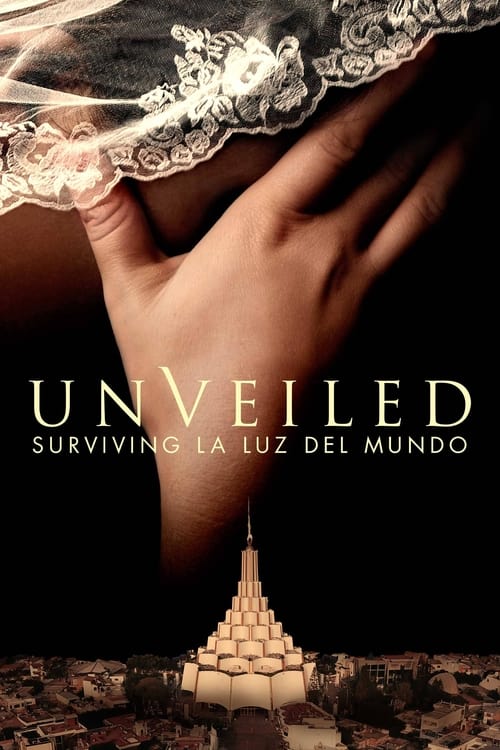
"Unveiled: Surviving La Luz del Mundo" begins with a somber introduction to the La Luz del Mundo church, highlighting its charismatic leader, Naasón Joaquín García, and the deep devotion of its followers. The documentary features interviews with former members who recount their experiences within the church, setting the stage for the exploration of the darker aspects of its operations.
The narrative shifts to the early days of the church, showcasing its rapid growth and the allure it held for many. Former members describe the intense indoctrination process, where they were taught to view García as a divine figure. This section emphasizes the emotional and psychological manipulation employed by the church to maintain control over its followers.
As the story progresses, the focus turns to the testimonies of individuals who experienced abuse within the church. One key figure, a former member named Alondra, shares her harrowing story of being groomed and exploited by church leaders. Her emotional recounting reveals the internal conflict she faced, torn between her faith and the traumatic experiences she endured.
The documentary then delves into the legal troubles faced by García, detailing the allegations of sexual abuse that emerged against him. The timeline of events is meticulously laid out, showing how the church attempted to shield him from accountability. Interviews with legal experts provide context on the challenges of prosecuting such cases, particularly when they involve powerful religious figures.
In a pivotal moment, Alondra and other survivors decide to come forward publicly, motivated by a desire for justice and to prevent others from suffering the same fate. Their decision to speak out is fraught with fear and uncertainty, as they grapple with the potential repercussions from the church and its loyal followers.
The narrative escalates as the legal case against García unfolds. The documentary captures the tension surrounding the trial, with survivors testifying about their experiences. The emotional weight of their testimonies is palpable, as they confront their abuser in a public forum for the first time. The filmmakers provide a raw look at the courtroom dynamics, highlighting the courage it takes for survivors to share their stories.
As the trial progresses, the church's response is examined. Leaders within La Luz del Mundo attempt to discredit the allegations, framing them as attacks on their faith. This section illustrates the deep divide within the community, as some members remain fiercely loyal to García, while others begin to question the church's practices.
The climax of the documentary occurs when the verdict is announced. The emotional reactions of the survivors are captured in real-time, showcasing a mix of relief, anger, and sadness. The impact of the verdict reverberates through the community, leading to a reckoning for many former members who are forced to confront the reality of their experiences.
In the aftermath, the documentary explores the ongoing struggles of the survivors as they seek healing and support. Alondra and others reflect on their journeys, emphasizing the importance of solidarity among survivors. The film concludes with a sense of hope, as the survivors continue to advocate for change and raise awareness about the issues of abuse within religious organizations.
Throughout the documentary, the emotional and psychological toll of the experiences faced by the survivors is a central theme, providing a powerful and poignant look at the complexities of faith, power, and resilience.
More TV Shows Like This
Browse All TV Shows →







What is the ending?
In the ending of "Unveiled: Surviving La Luz del Mundo," the documentary culminates with the survivors of the La Luz del Mundo church confronting their past traumas and seeking justice against the abuses they endured. The film highlights their resilience and the ongoing fight for accountability, as they share their stories and the impact of their experiences on their lives. The narrative closes with a sense of hope for healing and empowerment, as the survivors continue to advocate for themselves and others affected by similar abuses.
As the final scenes unfold, the camera captures the faces of the survivors, each marked by a blend of pain and determination. The emotional weight of their testimonies hangs in the air, as they recount their experiences within the church. The documentary intersperses these personal accounts with footage of protests and legal battles, illustrating the broader struggle against institutional abuse.
In one poignant scene, a survivor stands before a crowd, her voice steady yet filled with emotion as she shares her story. The camera zooms in on her face, revealing the tears that well up in her eyes, a testament to the pain she has carried for years. She speaks of the manipulation and control exerted by the church leaders, detailing how their teachings instilled fear and shame. The audience listens intently, their expressions reflecting a mix of empathy and outrage.
Another survivor recounts the moment they decided to leave the church, a pivotal turning point in their life. The scene shifts to a dimly lit room where they sit with a small group of fellow survivors, sharing their fears and hopes. The atmosphere is charged with a sense of camaraderie, as they support one another in their healing journeys. The camera captures the warmth of their connections, contrasting sharply with the isolation they felt during their time in the church.
As the documentary progresses, it highlights the legal actions taken against the church and its leaders. News clips and interviews with legal experts provide context to the ongoing fight for justice. The survivors' determination is palpable, as they refuse to be silenced any longer. The film emphasizes their collective strength, showcasing how they have come together to demand accountability.
In the final moments, the survivors gather for a rally, holding signs that read "Justice for Survivors" and "Break the Silence." The camera pans over the crowd, capturing the energy and resolve of those present. The survivors take turns speaking, their voices rising in unison as they chant for change. The scene is powerful, symbolizing their transformation from victims to advocates.
The documentary concludes with a montage of the survivors moving forward in their lives, pursuing education, careers, and relationships. Each individual is shown in moments of joy and triumph, a stark contrast to the darkness of their past. The final shot lingers on a survivor looking directly into the camera, a fierce expression of hope and resilience on their face. The screen fades to black, leaving the audience with a sense of the ongoing journey for healing and justice.
In summary, the ending of "Unveiled: Surviving La Luz del Mundo" encapsulates the survivors' fight for justice, their emotional journeys, and the strength they find in each other as they reclaim their narratives and advocate for change.
Is there a post-credit scene?
What role does Naasón Joaquín García play in the story?
Naasón Joaquín García is depicted as the charismatic leader of La Luz del Mundo, whose influence and power are central to the narrative. The documentary explores his rise within the church, his manipulation of followers, and the allegations of abuse that ultimately lead to his arrest. His character is portrayed as both a revered figure and a controversial one, eliciting a range of emotions from loyalty to betrayal among his followers.
How do the survivors describe their experiences within La Luz del Mundo?
The survivors share harrowing accounts of their experiences, detailing emotional and physical abuse, manipulation, and the psychological toll of their involvement in the church. Their testimonies reveal a complex mix of fear, confusion, and a longing for acceptance, as they grapple with the indoctrination they faced and the struggle to reclaim their identities after leaving the church.
What impact does the church's teachings have on its members?
The church's teachings are shown to create a culture of fear and obedience among its members. The documentary illustrates how these teachings instill a sense of divine purpose and community, but also lead to isolation from the outside world and a suppression of dissent. Members often feel torn between their loyalty to the church and the realization of the harm it causes.
Who are some key figures that challenge Naasón Joaquín García's authority?
Key figures include former members and whistleblowers who provide critical insights into the inner workings of La Luz del Mundo. Their challenges to García's authority highlight the power dynamics within the church and the risks they faced in speaking out against him. These individuals often recount their own journeys of disillusionment and the courage it took to confront the church's leadership.
What legal actions are taken against Naasón Joaquín García and how do they unfold?
The documentary details the legal actions taken against García, including his arrest and the subsequent charges of sexual abuse. It follows the timeline of the investigation, the reactions from the church community, and the broader implications of the case. The unfolding legal drama serves as a pivotal moment in the narrative, showcasing the clash between the church's influence and the pursuit of justice.







