


Popular
How do secondary characters influence the main storyline?
What are the main character's motivations throughout the series?
What are the key turning points in the plot that affect the main character's journey?
How does the relationship between the protagonist and the antagonist develop?
What significant events lead to the protagonist's character growth?
Should I watch it?
Ask Your Own Question

What is the plot?
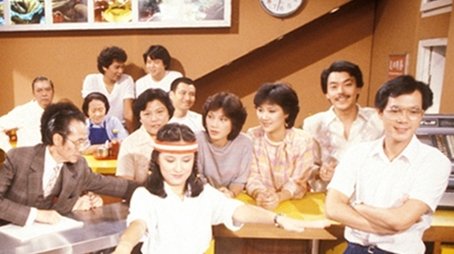
In the opening scene of the 1981 TV show "HK," we are introduced to the bustling streets of Hong Kong, filled with vibrant markets and the sounds of city life. The camera pans to a group of friends, including the protagonist, a young and ambitious detective named Chan, who is eager to prove himself in the police force. Chan is shown in a meeting with his superior, who expresses doubts about his capabilities, setting the stage for Chan's internal struggle to gain respect and recognition.
As the story unfolds, Chan is assigned to investigate a series of mysterious thefts occurring in the city. The first major plot point occurs when Chan discovers that the thefts are linked to a notorious gang led by a cunning and ruthless leader named Tiger. Chan's determination to crack the case intensifies, and he begins to gather evidence, interviewing witnesses and following leads. During this investigation, he faces numerous challenges, including a lack of support from his colleagues and the constant threat posed by the gang.
In a pivotal scene, Chan goes undercover to infiltrate the gang. He adopts a new identity and gains the trust of Tiger's right-hand man, who is unaware of Chan's true intentions. This sequence is filled with tension as Chan navigates the dangerous world of organized crime, all while trying to maintain his cover. He witnesses the gang's operations firsthand, which deepens his resolve to bring them down.
As Chan gathers more information, he uncovers a larger conspiracy involving corrupt officials who are in league with the gang. This revelation adds complexity to the plot, as Chan realizes that the fight against crime is not just about the gang but also about the systemic corruption within the police force. This internal conflict weighs heavily on Chan, as he grapples with the idea of loyalty to his colleagues versus his duty to uphold justice.
The story takes a dramatic turn when Chan's cover is blown during a high-stakes meeting with Tiger. A confrontation ensues, leading to a chaotic fight scene where Chan must use his skills to escape. The fight is intense, with Chan showcasing his agility and quick thinking as he dodges punches and retaliates against multiple gang members. He narrowly escapes, but not without sustaining injuries, which adds to his emotional turmoil and determination to see the case through.
In the aftermath of the confrontation, Chan is faced with the decision to either continue his pursuit of the gang or back down for his safety. Fueled by a sense of justice and the desire to protect his city, he chooses to press on. He enlists the help of a few trusted allies, including a tech-savvy friend who assists him in gathering more evidence against the gang and the corrupt officials.
As the climax approaches, Chan orchestrates a plan to expose the gang and the corrupt officials during a major drug deal. The scene is meticulously planned, with Chan and his allies setting up surveillance and preparing for a confrontation. The tension builds as they wait for the deal to go down, and the stakes are higher than ever.
When the deal takes place, it erupts into chaos as Chan and his team spring into action. A fierce battle ensues, with Chan leading the charge against the gang members. The fight is choreographed with precision, showcasing hand-to-hand combat, strategic maneuvers, and the use of the environment to gain the upper hand. Chan's leadership and bravery shine through as he rallies his team and confronts Tiger directly.
In the final moments of the showdown, Chan faces off against Tiger in a one-on-one fight. The emotional weight of their confrontation is palpable, as Chan channels his frustrations and determination into the battle. After a grueling fight, Chan ultimately overpowers Tiger, bringing him to justice. The scene is filled with dramatic close-ups and slow-motion shots that emphasize the intensity of the moment.
With the gang dismantled and the corrupt officials exposed, Chan finally earns the respect of his colleagues and superiors. The series concludes with Chan reflecting on his journey, standing on the streets of Hong Kong, now a hero in the eyes of the community. The final shot captures the vibrant city, symbolizing hope and resilience, as Chan looks forward to the challenges that lie ahead.








What is the ending?
The ending of the TV show "HK" from the 1980s culminates in a dramatic confrontation that resolves the central conflicts among the characters. The main characters face their personal demons and come to terms with their relationships, leading to a bittersweet resolution.
As the final episode unfolds, the tension escalates. The protagonist, caught in a web of betrayal and loyalty, must make a choice that will affect not only their future but also the lives of those around them. The climax sees a confrontation where truths are revealed, and characters must reckon with their past actions. In the end, some characters find redemption, while others face the consequences of their choices. The show concludes with a sense of closure, but also leaves lingering questions about the future.
As the final episode of "HK" begins, the camera pans over a dimly lit alley, the air thick with tension. The protagonist, Alex, stands at the edge, his heart racing as he contemplates the choices that have led him here. He is torn between his loyalty to his friends and the need to confront the betrayal that has shattered their trust. The weight of his decisions hangs heavily on his shoulders, and the audience can feel the turmoil within him.
Scene 1: The Confrontation The scene shifts to a rundown warehouse where Alex meets his former ally, Mark. The atmosphere is charged with unresolved anger and hurt. Mark, once a trusted friend, now stands as a symbol of betrayal. As they exchange heated words, the camera captures the flicker of emotions on their faces--anger, regret, and a hint of nostalgia for their past camaraderie. Alex's voice trembles as he accuses Mark of abandoning their shared ideals. Mark, defensive yet remorseful, tries to justify his actions, revealing the pressures that led him astray. The confrontation escalates, and the tension is palpable, drawing the audience into the emotional stakes of their conflict.
Scene 2: The Revelation In a pivotal moment, Mark reveals a hidden truth that shakes Alex to his core. He discloses that he was coerced into his actions by a powerful adversary, someone who has been manipulating both of them from the shadows. This revelation shifts the dynamic between them, as Alex grapples with the realization that their fight is not just against each other but against a larger, more sinister force. The camera zooms in on Alex's face, capturing the flicker of understanding and the dawning realization that they must unite against a common enemy.
Scene 3: The Alliance With the revelation hanging in the air, Alex and Mark reluctantly agree to put aside their differences. The scene transitions to a montage of them preparing for the final showdown, gathering their remaining allies. The camaraderie that once defined their friendship begins to resurface, albeit cautiously. The audience witnesses moments of shared laughter and tension as they strategize, highlighting the complexity of their relationship. Each character's motivations are laid bare, revealing their fears and hopes as they prepare for the confrontation ahead.
Scene 4: The Showdown The climax unfolds in a dramatic showdown at the adversary's stronghold. The atmosphere is electric, filled with the sounds of chaos and determination. Alex, Mark, and their allies face off against the enemy, showcasing their growth and resilience. The fight is intense, with each character displaying their unique skills and strengths. The choreography of the battle is both thrilling and emotional, as the stakes are not just physical but deeply personal. The audience feels the weight of each blow, each moment of triumph, and each setback.
Scene 5: The Resolution As the dust settles, the aftermath of the confrontation reveals the fates of the main characters. Alex stands victorious but weary, having faced not only external foes but also his internal struggles. He has learned the value of forgiveness and the importance of trust. Mark, having redeemed himself through his actions, finds a sense of closure and a renewed commitment to their cause. The two share a moment of understanding, a silent acknowledgment of their journey together.
In the final scenes, the remaining characters reflect on their experiences, each finding their own path forward. Some choose to continue the fight for justice, while others seek a quieter life, having learned from their tumultuous past. The camera pulls back, capturing the group as they stand together, united yet changed, symbolizing the enduring bonds forged through adversity.
The episode concludes with a poignant shot of Alex looking towards the horizon, a mixture of hope and uncertainty in his eyes. The screen fades to black, leaving the audience with a sense of closure while hinting at the complexities of life and the choices that lie ahead.
Is there a post-credit scene?
The TV show "HK" from the 1980s, specifically the episode 27 produced in 1981, does not feature a post-credit scene. The episodes typically conclude with a final scene that wraps up the storyline, but they do not include additional content after the credits roll. The focus remains on the narrative and character development throughout the episode, leaving no room for a post-credit moment. Each episode is designed to provide a complete story arc, emphasizing the emotional journeys of the characters without extending into post-episode content.
How do secondary characters influence the main storyline?
Secondary characters play crucial roles in shaping the main storyline by providing support, conflict, and alternative perspectives. Their interactions with the protagonist often serve as catalysts for change, pushing him to make difficult choices and revealing different facets of his personality.
What are the main character's motivations throughout the series?
The main character, played by a young actor, is driven by a desire to prove himself in a challenging environment. His motivations evolve from seeking acceptance and recognition from his peers to a deeper understanding of his own identity and values as he faces various trials.
What are the key turning points in the plot that affect the main character's journey?
Key turning points include a betrayal by a close friend that shatters the protagonist's trust, a moment of self-discovery during a critical challenge that redefines his goals, and a climactic showdown that forces him to confront his fears and ultimately leads to his transformation.
How does the relationship between the protagonist and the antagonist develop?
The relationship between the protagonist and the antagonist is marked by tension and conflict. Initially, the protagonist sees the antagonist as a formidable obstacle, but as the series progresses, their interactions reveal layers of complexity, including moments of vulnerability and understanding that challenge their initial perceptions of each other.
What significant events lead to the protagonist's character growth?
Key events that lead to the protagonist's growth include a series of personal failures that force him to confront his weaknesses, a pivotal friendship that teaches him the value of loyalty, and a climactic confrontation that tests his resolve and moral compass, ultimately shaping him into a more mature individual.
Is this family friendly?
The TV show "HK" produced in 1981 is generally considered family-friendly, but it does contain some elements that may be potentially objectionable or upsetting for children or sensitive viewers.
-
Mild Violence: There are scenes that depict physical confrontations, which may include slapstick humor or exaggerated fights. While not graphic, the portrayal of conflict could be unsettling for younger viewers.
-
Emotional Conflict: The show explores themes of family dynamics and personal struggles, which may include moments of sadness or tension that could be emotionally challenging for sensitive audiences.
-
Mild Language: There may be instances of mild language or insults used in a comedic context, which could be inappropriate for very young children.
-
Social Issues: The show touches on various social themes, including misunderstandings and conflicts between characters, which might require some maturity to fully understand.
-
Character Flaws: Some characters exhibit negative traits such as jealousy or selfishness, which could serve as a poor example for impressionable viewers.
Overall, while "HK" is designed to be entertaining for a broad audience, parents may want to preview episodes to gauge their suitability for younger viewers.