

































Popular
What are the key motivations behind Mehmed's desire to conquer Constantinople?
How does the character of Giustiniani evolve throughout the series?
What role does the character of Mara play in Mehmed's life and decisions?
What are the significant challenges Mehmed faces during the siege of Constantinople?
How does the relationship between Mehmed and his advisors shape the course of the siege?
Should I watch it?
Ask Your Own Question

What is the plot?
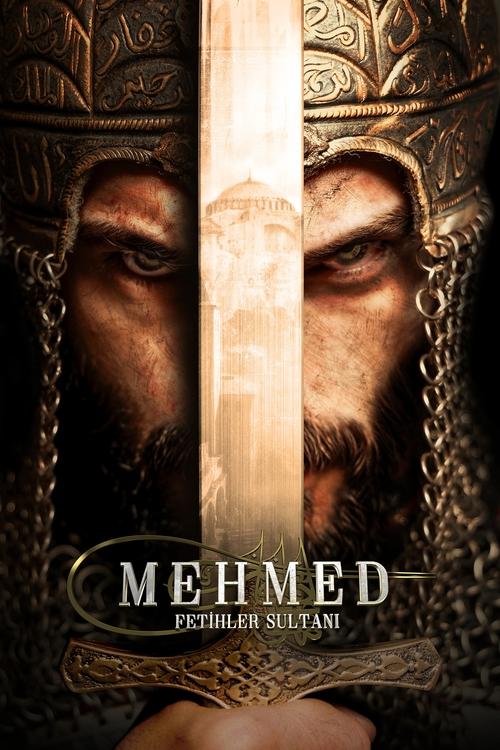
In the opening scene of "Mehmed: Sultan of Conquests," the young Mehmed II is introduced as a determined and ambitious prince, eager to prove himself worthy of the Ottoman throne. The narrative begins in the year 1444, with Mehmed's father, Sultan Murad II, reluctantly abdicating the throne to him. Murad, weary of the constant threats from rival states, hopes that Mehmed can bring stability. However, he remains in the shadows, guiding his son from afar. The tension is palpable as Mehmed grapples with the weight of leadership, feeling both the thrill of power and the fear of failure.
As Mehmed takes the throne, he faces immediate challenges from the Byzantine Empire, which is on the brink of collapse. The opening act showcases the political landscape, with the Byzantine Emperor Constantine XI desperately trying to rally support from Western Europe. Mehmed, aware of the strategic importance of Constantinople, begins to formulate a plan to conquer the city. He gathers his advisors, including the seasoned military commander Zaganos Pasha, who emphasizes the need for a strong naval presence to blockade the city.
In a pivotal scene, Mehmed orders the construction of a massive cannon, the "Basilica," designed to breach the formidable walls of Constantinople. The construction is fraught with difficulties, and the artisans struggle under Mehmed's demanding vision. The tension escalates as rival factions within the Ottoman court question Mehmed's aggressive tactics, fearing that a failed siege could lead to his downfall. Despite the dissent, Mehmed remains resolute, driven by a vision of a united empire.
As the siege of Constantinople begins in 1453, the narrative shifts to the Byzantine perspective. Constantine XI is portrayed as a noble yet desperate leader, rallying his citizens to defend their city. The emotional weight of the impending siege is felt as families prepare for the worst, and the atmosphere is thick with fear and determination. The siege begins with Mehmed's forces surrounding the city, cutting off supplies and reinforcements. The tension builds as both sides prepare for the inevitable clash.
The first major confrontation occurs when Mehmed's forces launch an initial assault on the city walls. The scene is chaotic, with soldiers clashing and the sounds of battle echoing through the air. Mehmed, witnessing the bravery of his troops, feels a surge of pride but also the burden of leadership as he realizes the stakes of the conflict. The Byzantine defenders, led by Constantine, fight valiantly, showcasing their resolve to protect their home.
As the siege drags on, Mehmed faces internal strife within his ranks. Some of his commanders grow impatient, urging him to take more aggressive action. In a tense council meeting, Mehmed asserts his authority, reminding them of the importance of strategy over brute force. This moment solidifies his leadership but also highlights the growing pressure he faces from both his allies and enemies.
In a dramatic twist, Mehmed learns of a potential betrayal within his ranks. A trusted advisor is revealed to be in league with the Byzantines, planning to sabotage the siege. This revelation leads to a tense confrontation, where Mehmed must decide whether to execute the traitor or use him as a double agent. Ultimately, he chooses the latter, showcasing his cunning and strategic mind.
As the siege continues, Mehmed's forces finally breach the walls of Constantinople using the massive cannon. The scene is visually striking, with the cannonball crashing through the ancient stone, sending debris flying. The defenders are thrown into chaos, and Mehmed seizes the moment to lead a full-scale assault into the city. The emotional intensity peaks as Mehmed fights his way through the streets, driven by a mix of vengeance and ambition.
Inside the city, Constantine XI makes a final stand, rallying his remaining forces in a desperate attempt to protect the heart of Byzantium. The confrontation between Mehmed and Constantine is charged with emotion, as both leaders embody the hopes and fears of their respective peoples. In a climactic battle, Mehmed ultimately overpowers Constantine, who fights valiantly until the end. The moment is bittersweet, as Mehmed realizes the cost of his victory.
With Constantinople under his control, Mehmed is crowned as the new Sultan, and the city is transformed into the capital of the Ottoman Empire. The final scenes depict Mehmed surveying the city, filled with a mix of triumph and reflection. He understands that while he has achieved his goal, the challenges of leadership and the weight of his conquests will continue to shape his reign. The series concludes with Mehmed looking out over the city, a symbol of both his ambition and the legacy he will leave behind.








What is the ending?
In the ending of "Mehmed: Sultan of Conquests," Mehmed II successfully captures Constantinople, solidifying his legacy as a formidable ruler. The city falls after a fierce battle, leading to the transformation of the Ottoman Empire. Mehmed's triumph is bittersweet, as he grapples with the weight of his conquest and the loss of life it entailed. Key characters, including his loyal general, and his childhood friend, face their own fates, reflecting the personal costs of ambition and power.
As the final scenes unfold, the camera captures the grandeur of Constantinople's skyline, now under Ottoman control. Mehmed stands atop the city walls, surveying the land he has fought so hard to claim, a mixture of pride and sorrow etched on his face. The echoes of battle fade, replaced by the sounds of celebration among his troops, yet Mehmed's heart is heavy with the realization of what conquest truly means.
The final act of "Mehmed: Sultan of Conquests" begins with the sun rising over the besieged city of Constantinople. The air is thick with tension as Mehmed II, clad in ornate armor, stands before his assembled army. His eyes, fierce and determined, reflect the weight of his ambition. He knows that the fall of this city will not only mark a significant victory but will also reshape the course of history.
Scene breaks to the battlefield, where the sounds of clashing swords and the cries of soldiers fill the air. Mehmed's forces, bolstered by the innovative use of cannons, push against the formidable walls of the city. The camera pans to the defenders, their faces a mix of fear and resolve, as they prepare for the onslaught. Among them is a young soldier, whose determination to protect his home is palpable. His internal struggle is evident as he fights not just for survival, but for the legacy of his ancestors.
As the battle rages on, Mehmed's strategic brilliance shines through. He moves through the chaos, rallying his troops with impassioned speeches, igniting their spirits. The cinematography captures the intensity of the moment, with close-ups of Mehmed's face, revealing his unwavering resolve. Yet, there is a flicker of doubt in his eyes, a moment of reflection on the lives lost in pursuit of his dream.
The siege continues for days, and the city's defenses begin to crumble. In a pivotal scene, Mehmed receives news of a breach in the walls. The camera shifts to his expression, a mix of triumph and trepidation. He knows that victory is near, but at what cost? The emotional weight of his decisions hangs heavily in the air.
As the final assault begins, the atmosphere is electric. The Ottoman forces surge forward, and the defenders, exhausted and demoralized, make a last stand. The clash of steel and the cries of the wounded create a haunting symphony of war. In the chaos, the young soldier from earlier finds himself face-to-face with Mehmed. Their eyes lock, and in that moment, the weight of their opposing fates is palpable. The soldier fights valiantly but ultimately falls, a poignant reminder of the personal sacrifices made in the name of conquest.
With the city finally breached, Mehmed enters Constantinople, his heart a tumult of emotions. The streets are filled with the remnants of battle, and the once-great city lies in ruins. As he walks through the streets, the camera captures the devastation around him--broken buildings, the cries of the wounded, and the silence of the fallen. Mehmed's expression shifts from triumph to sorrow as he realizes the true cost of his victory.
In the aftermath, Mehmed stands atop the city walls, overlooking the sprawling landscape of his new empire. The celebration among his troops is loud and boisterous, but Mehmed remains distant, lost in thought. He reflects on the lives lost, including that of his childhood friend, who fought bravely by his side but succumbed to the chaos of battle. The emotional toll of leadership weighs heavily on him, and he grapples with the duality of his triumph.
The series concludes with Mehmed making a solemn vow to honor the fallen and to build a city that reflects both strength and compassion. The final shot lingers on his face, a blend of determination and melancholy, as he contemplates the future of his empire. The screen fades to black, leaving viewers with a sense of the complexities of power, ambition, and the human cost of conquest.
Is there a post-credit scene?
As of my last update, there is no specific information available regarding a post-credit scene for the TV show "Mehmed: Sultan of Conquests," produced in 2024. The details about post-credit scenes are often kept under wraps until the release of the show or its episodes. If you are looking for insights into the main plot or character arcs, I can provide a detailed summary of those elements.
What are the key motivations behind Mehmed's desire to conquer Constantinople?
Mehmed's motivations to conquer Constantinople are deeply rooted in his ambition to establish the Ottoman Empire as a dominant power. He views the city as a symbol of strength and a strategic gateway between Europe and Asia. His internal struggle is marked by a desire to prove himself worthy of his father's legacy, as well as a personal quest for glory and recognition among his peers. The emotional weight of his responsibility as a young sultan drives him to seek the conquest with fervor.
How does the character of Giustiniani evolve throughout the series?
Giustiniani, the commander of the Byzantine defense, begins as a proud and determined leader, fiercely loyal to the city of Constantinople. As the siege progresses, his character is tested by the overwhelming odds against him. He experiences moments of doubt and despair, particularly as he witnesses the suffering of his people. His evolution is marked by a growing sense of desperation, yet he remains committed to his duty, ultimately leading to a poignant climax where he must confront the reality of defeat.
What role does the character of Mara play in Mehmed's life and decisions?
Mara, a strong-willed and intelligent woman, serves as both a confidante and a strategic advisor to Mehmed. Her insights into the political landscape and her understanding of the people around them influence Mehmed's decisions significantly. Throughout the series, their relationship deepens, revealing layers of emotional complexity as they navigate the challenges of leadership and love. Mara's presence often acts as a grounding force for Mehmed, reminding him of the human cost of his ambitions.
What are the significant challenges Mehmed faces during the siege of Constantinople?
During the siege of Constantinople, Mehmed faces numerous challenges, including logistical issues with supplying his troops, the formidable defenses of the city, and the morale of his soldiers. The emotional toll of leadership weighs heavily on him as he grapples with the lives at stake. He also encounters betrayal from within his ranks, which tests his ability to maintain unity among his forces. Each challenge forces him to adapt his strategies and confront his own vulnerabilities as a leader.
How does the relationship between Mehmed and his advisors shape the course of the siege?
The relationship between Mehmed and his advisors is pivotal in shaping the course of the siege. Each advisor brings different perspectives and strategies, leading to intense debates and conflicts. Mehmed's ability to listen and adapt to their counsel reflects his growth as a leader. However, the tension between traditionalists and reformists among his advisors creates friction, influencing key decisions that impact the siege's outcome. This dynamic showcases Mehmed's struggle to balance innovation with respect for established military tactics.
Is this family friendly?
"Mehmed: Sultan of Conquests" is a historical drama that delves into the life of Mehmed II and his conquests, particularly the fall of Constantinople. While the show aims to portray historical events with depth and complexity, it does contain several elements that may be considered objectionable or upsetting for children or sensitive viewers.
-
Violence and Warfare: The series depicts battles, sieges, and military strategies, showcasing the brutality of warfare. Scenes may include graphic representations of combat, injuries, and the aftermath of battles.
-
Death and Loss: Characters experience significant loss, including the deaths of loved ones and comrades. The emotional weight of these moments may be intense and could be distressing for younger viewers.
-
Political Intrigue and Betrayal: The narrative involves themes of betrayal, power struggles, and political machinations, which may be complex and unsettling for some audiences.
-
Emotional Turmoil: Characters often grapple with feelings of ambition, fear, and despair, which can lead to intense emotional scenes that may be difficult for sensitive viewers to process.
-
Historical Context: The show addresses themes of conquest and colonization, which may raise questions about morality and ethics in historical contexts, potentially leading to discussions that some may find uncomfortable.
Overall, while "Mehmed: Sultan of Conquests" is rich in historical detail and character development, its portrayal of violence, emotional struggles, and complex themes may not be suitable for all children or sensitive viewers.