


Popular
What mechanical failure occurred on Qantas Flight 32 that led to the emergency situation?
How did the flight crew respond to the emergency situation during Qantas Flight 32?
What were the emotional reactions of the passengers during the crisis on Qantas Flight 32?
What specific challenges did the pilots face while trying to land Qantas Flight 32?
How did the investigation into the incident on Qantas Flight 32 unfold after the emergency landing?
Should I watch it?
Ask Your Own Question

What is the plot?
On November 4, 2010, Qantas Flight 32, an Airbus A380, takes off from Singapore Changi Airport, bound for Sydney, Australia. The flight is filled with 469 passengers and crew members, and the atmosphere is one of excitement as they embark on their journey. The aircraft is one of the newest and largest in the world, and the crew, led by Captain Richard de Crespigny, is confident in their preparations.
Shortly after takeoff, as the aircraft climbs to cruising altitude, the crew receives an alert indicating a problem with one of the engines. The aircraft's Engine 2, located on the left wing, experiences a failure. The crew quickly assesses the situation, and Captain de Crespigny and First Officer Matt Hicks begin to troubleshoot the issue. They notice that the engine is emitting a loud noise and that there is a significant loss of power.
As the situation escalates, the crew realizes that the engine failure has caused damage to the aircraft's systems. They receive multiple warnings and alerts, indicating that there are issues with the aircraft's hydraulic systems and that the aircraft is losing control. The pilots work diligently to maintain control of the aircraft while trying to diagnose the extent of the damage.
Captain de Crespigny decides to return to Singapore for an emergency landing. He communicates with air traffic control, informing them of the situation and requesting priority landing. The crew prepares the cabin for an emergency landing, instructing the flight attendants to secure the passengers and ensure everyone is braced for impact.
As the aircraft approaches Singapore, the pilots continue to manage the failing systems. They face challenges with the landing gear and the flaps, which are not responding as expected. The crew remains calm and focused, working together to execute the emergency procedures. The tension in the cockpit is palpable as they navigate the complexities of the situation.
The aircraft finally lands safely at Singapore Changi Airport, but the landing is rough due to the compromised systems. Emergency services are on standby, ready to assist as the aircraft comes to a stop. The passengers and crew are relieved to be on the ground, but the gravity of the situation weighs heavily on everyone involved.
In the aftermath of the incident, investigations begin to determine the cause of the engine failure. The investigation reveals that a manufacturing defect in the engine's components led to the catastrophic failure. The episode highlights the importance of safety protocols and the resilience of the crew in the face of adversity.
Throughout the episode, the emotional states of the crew and passengers are explored, showcasing their fear, anxiety, and ultimately relief as they navigate the crisis. The professionalism of Captain de Crespigny and his team is emphasized, illustrating their commitment to ensuring the safety of everyone on board.









What is the ending?
In the ending of "Titanic in the Sky (Qantas Flight 32)," the crew successfully manages the emergency situation after a series of critical failures in the aircraft. The pilots, led by Captain Richard de Crespigny, work together to stabilize the plane and communicate with air traffic control. After a tense and challenging flight, they safely land the aircraft at Singapore Changi Airport, ensuring the safety of all 469 passengers and crew on board.
As the episode concludes, the focus shifts to the aftermath of the incident. Investigators analyze the causes of the failure, and the crew's actions are praised for their professionalism and skill under pressure. The episode ends with a reflection on the importance of training and teamwork in aviation safety.
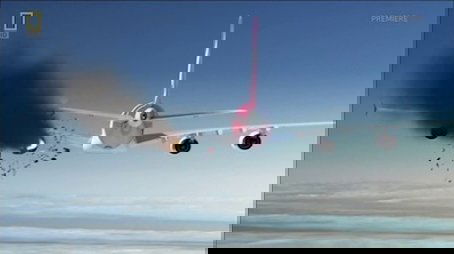
As the episode "Titanic in the Sky (Qantas Flight 32)" unfolds, the tension escalates when Qantas Flight 32, a Boeing 747-400, takes off from Singapore. The aircraft is filled with 469 passengers and crew, and the atmosphere is initially calm and routine. However, shortly after takeoff, the plane experiences a catastrophic failure when an engine explodes, sending shrapnel through the aircraft and damaging critical systems.
Scene by scene, the narrative captures the chaos that ensues. The pilots, Captain Richard de Crespigny and First Officer Matt Hicks, quickly assess the situation. The cockpit is filled with alarms and warnings, and the pilots' faces reflect a mix of determination and concern. They communicate with each other, their voices steady despite the gravity of the situation. Captain de Crespigny takes charge, focusing on the immediate need to control the aircraft and ensure the safety of everyone on board.
As the crew works to manage the emergency, the camera shifts to the passengers in the cabin. Their expressions range from confusion to fear as they become aware of the unfolding crisis. Flight attendants move through the aisles, reassuring passengers and preparing them for potential impact. The emotional weight of the moment is palpable, as families hold each other tightly, and individuals grapple with the uncertainty of their fate.
Back in the cockpit, the pilots face a series of challenges. They must navigate the damaged systems, including a loss of hydraulic power and issues with the landing gear. The tension mounts as they communicate with air traffic control, relaying their situation and intentions. The urgency in their voices underscores the gravity of the moment, as they prepare for an emergency landing.
As the flight progresses, the crew's training and teamwork become evident. They work seamlessly together, each member playing a crucial role in managing the crisis. The pilots' calm demeanor contrasts with the chaos outside the cockpit, highlighting their professionalism and commitment to their passengers' safety.
Finally, after a harrowing flight filled with uncertainty and danger, the pilots make the decision to land at Singapore Changi Airport. The landing is tense, with the aircraft's systems still compromised. However, Captain de Crespigny and First Officer Hicks execute the landing with precision, bringing the plane safely to the ground. The relief in the cockpit is palpable, and the crew shares a moment of triumph as they realize they have successfully averted disaster.
As the passengers disembark, the emotional weight of the experience lingers. Many express their gratitude to the crew, recognizing the skill and bravery that saved their lives. The episode concludes with a reflection on the importance of training, teamwork, and the human spirit in the face of adversity. The crew members, particularly Captain de Crespigny, are acknowledged for their heroism, and the investigation into the incident begins, focusing on the lessons learned from this near-tragedy.
In the end, all main characters, including the pilots and crew, emerge from the incident with a renewed sense of purpose and commitment to aviation safety, having faced one of the most challenging situations of their careers and come out on the other side.
Is there a post-credit scene?
In the episode "Titanic in the Sky (Qantas Flight 32)" from season 13 of Mayday, there is no post-credit scene. The episode concludes with a detailed analysis of the events surrounding the Qantas Flight 32 incident, focusing on the technical failures, the crew's response, and the subsequent investigations. The narrative wraps up with reflections on the lessons learned from the incident, emphasizing the importance of safety protocols and the resilience of the flight crew. The episode ends without any additional scenes or content after the credits.
What mechanical failure occurred on Qantas Flight 32 that led to the emergency situation?
On Qantas Flight 32, a significant mechanical failure occurred when an engine, specifically the Rolls-Royce Trent 900, suffered an uncontained engine failure shortly after takeoff from Singapore. This failure resulted in the engine's parts breaking apart and causing extensive damage to the aircraft's wing and systems.
How did the flight crew respond to the emergency situation during Qantas Flight 32?
The flight crew, led by Captain Richard de Crespigny, responded to the emergency with calm professionalism. They quickly assessed the situation, communicated with air traffic control, and worked through checklists to manage the aircraft's systems and ensure the safety of the passengers and crew.
What were the emotional reactions of the passengers during the crisis on Qantas Flight 32?
The passengers on Qantas Flight 32 experienced a range of emotional reactions during the crisis, including fear, anxiety, and confusion. Many were unaware of the severity of the situation, while others felt a sense of panic as the aircraft experienced turbulence and alarms sounded in the cabin.
What specific challenges did the pilots face while trying to land Qantas Flight 32?
The pilots faced several challenges while trying to land Qantas Flight 32, including managing the aircraft's damaged systems, dealing with the loss of hydraulic power, and navigating the aircraft's weight due to excess fuel. They had to make critical decisions about the landing approach and ensure that the aircraft was stable enough to land safely.
How did the investigation into the incident on Qantas Flight 32 unfold after the emergency landing?
After the emergency landing of Qantas Flight 32, an extensive investigation was launched by aviation authorities. This included examining the engine failure, analyzing maintenance records, and reviewing the aircraft's design and safety protocols. The investigation aimed to determine the root cause of the failure and to implement safety measures to prevent similar incidents in the future.
Is this family friendly?
The episode "Titanic in the Sky (Qantas Flight 32)" from Mayday contains several elements that may be considered objectionable or upsetting for children or sensitive viewers.
-
Aircraft Emergency: The episode focuses on a real-life aviation emergency, which includes intense moments of crisis and fear experienced by passengers and crew. This may be distressing for younger viewers.
-
Descriptive Accounts of Danger: There are detailed descriptions of mechanical failures and the potential for disaster, which could be frightening.
-
Emotional Reactions: The episode features interviews with crew members and passengers who recount their experiences, including feelings of panic and anxiety, which may evoke strong emotions.
-
Real-Life Tragedy: The context of the episode is based on a serious incident, and while it does not depict graphic violence, the reality of the situation may be unsettling.
-
Technical Jargon: The use of aviation terminology and technical explanations may be confusing or overwhelming for younger audiences.
Overall, while the episode is educational and informative, its themes of fear, danger, and real-life emergencies may not be suitable for all children or sensitive viewers.