

Popular
Should I watch it?
Ask Your Own Question

What is the plot?
Sorry, we aren't able to watch and write up a full detailed plot yet. Check back in a few days.





What is the ending?
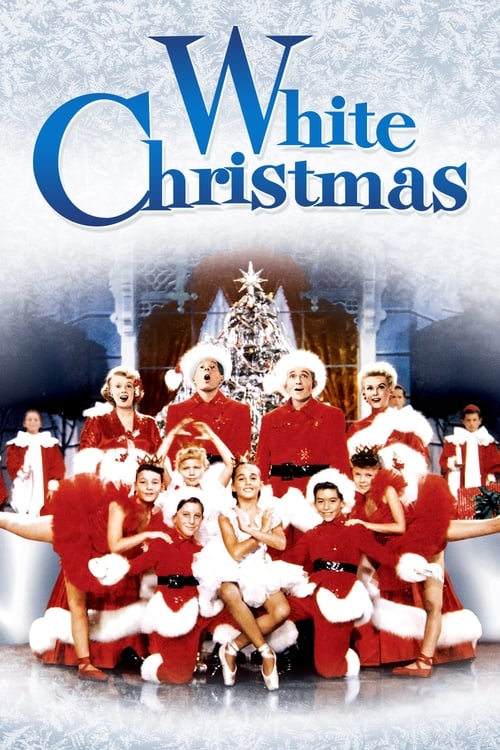
At the end of "White Christmas," Bob Wallace and Phil Davis successfully bring together their former commanding officer, General Waverly, with a group of soldiers to surprise him at his inn. They perform a show for him, and it snows, creating a beautiful winter scene. The film concludes with a joyful celebration, as Bob and Betty fall in love, and the characters find happiness together.
As the film approaches its conclusion, the scene shifts to the inn owned by General Waverly, which is struggling to attract guests. Bob Wallace and Phil Davis, having learned of the General's plight, decide to put on a spectacular show to help him. They gather their friends and fellow performers, including Betty Haynes and Judy Haynes, to create a memorable performance that will draw in a crowd.
The stage is set, and the atmosphere is filled with excitement and anticipation. The characters are dressed in vibrant costumes, and the lights shine brightly as they prepare to entertain. Bob and Phil take center stage, their camaraderie evident as they banter and engage the audience. The performance is a mix of heartfelt songs and lively dance numbers, showcasing the talents of the entire cast.
As the show progresses, the audience is captivated, and the energy in the room builds. The performers pour their hearts into the act, each one motivated by their desire to honor General Waverly and support him in his time of need. The emotional stakes are high, as they all understand the significance of this moment--not just for the General, but for their own connections and friendships.
In a pivotal moment, the performance culminates in a heartfelt rendition of "White Christmas." The song resonates deeply, evoking nostalgia and warmth, and the audience is visibly moved. As the final notes linger in the air, the doors of the inn swing open, and snow begins to fall outside, creating a picturesque winter wonderland.
The scene shifts to General Waverly, who watches the performance with pride and joy. He is surrounded by former soldiers, all of whom have come to show their support. The sight of the snow falling outside symbolizes hope and renewal, reflecting the characters' journeys throughout the film.
As the show concludes, Bob and Betty share a tender moment, their feelings for each other having blossomed throughout the story. They embrace, and it is clear that their love has deepened, culminating in a promise of a future together. Phil and Judy, too, find happiness in each other, solidifying their own romantic connection.
The film ends with a celebratory atmosphere, as the characters come together, united in friendship and love. The final scene captures the essence of the holiday spirit, with laughter, joy, and the beauty of snow blanketing the inn. Each character has found their place, and the bonds they have formed are stronger than ever, leaving the audience with a sense of warmth and fulfillment.
Is there a post-credit scene?
The movie "White Christmas," produced in 1954, does not have a post-credit scene. The film concludes with a heartwarming finale where the characters come together to celebrate the spirit of Christmas. The final moments feature a grand performance of the titular song "White Christmas," with the main characters, Bob Wallace and Phil Davis, along with sisters Betty and Judy Haynes, bringing joy and warmth to the audience. The film ends on a high note, emphasizing themes of love, friendship, and the magic of the holiday season, leaving viewers with a sense of nostalgia and cheer.
What is the significance of the song 'White Christmas' in the film?
The song 'White Christmas' serves as a nostalgic anchor for the characters, particularly for Bob Wallace and Phil Davis, who reminisce about their experiences during World War II. It symbolizes their longing for the simpler, happier times of their past, especially the warmth of Christmas. The song is performed multiple times throughout the film, culminating in a heartfelt rendition that brings together the themes of love, friendship, and the spirit of giving.
How do Bob Wallace and Phil Davis meet the Haynes sisters?
Bob Wallace and Phil Davis first encounter the Haynes sisters, Betty and Judy, when they are performing at a nightclub in New York City. After a successful show, Bob and Phil are captivated by the sisters' talent and charm. They approach them with the intention of collaborating on a Christmas show, which leads to a series of comedic and romantic interactions as they try to win the sisters' affection.
What motivates Bob Wallace to help the General?
Bob Wallace is deeply motivated by his respect and admiration for General Waverly, who was his commanding officer during the war. When Bob learns that the General's Vermont inn is struggling due to a lack of snow and guests, he feels a sense of duty to help him. This motivation is compounded by Bob's desire to give back to someone who has given so much to him and his fellow soldiers, showcasing his loyalty and sense of responsibility.
What is the role of the inn in the story?
The inn, owned by General Waverly, serves as the central setting for much of the film's action. It represents both a physical space for the characters to gather and a symbol of the General's past glory and current struggles. The inn becomes a place of reunion, romance, and ultimately, redemption, as Bob and Phil organize a Christmas show to attract guests and save the inn, highlighting themes of community and support.
How does the relationship between Bob and Betty develop throughout the film?
The relationship between Bob and Betty evolves from initial flirtation to deep emotional connection. Initially, Betty is skeptical of Bob's intentions, but as they work together on the Christmas show, they begin to understand and appreciate each other's talents and personalities. Their chemistry is palpable, and through a series of charming and comedic moments, including a memorable dance sequence, they grow closer, culminating in a romantic realization that solidifies their bond.
Is this family friendly?
"White Christmas" (1954) is generally considered a family-friendly film, filled with music, dance, and a heartwarming story. However, there are a few scenes and aspects that might be considered potentially objectionable or upsetting for children or sensitive viewers:
-
Military Themes: The film opens with a flashback to World War II, depicting soldiers in a war setting. This may evoke feelings of loss or sadness, especially for younger viewers.
-
Emotional Moments: There are scenes that touch on themes of loneliness and longing, particularly related to the characters' pasts and their relationships. These moments may resonate deeply and could be emotional for some viewers.
-
Romantic Tension: The film includes romantic subplots that involve misunderstandings and jealousy, which might be confusing for younger children.
-
Slightly Dark Humor: Some jokes and comedic situations may involve mild sarcasm or adult humor that could go over the heads of younger viewers.
-
Character Vulnerability: One character faces financial difficulties and the potential loss of a family business, which could be distressing for sensitive viewers.
Overall, while "White Christmas" is a festive and joyful film, these elements may require parental guidance for younger audiences.






