










Popular
What motivates Oliver Queen to become the vigilante known as the Arrow?
How does Oliver's relationship with his mother, Moira Queen, evolve throughout Season 1?
What role does John Diggle play in Oliver's transformation into the Arrow?
How does the character of Laurel Lance impact Oliver's journey in Season 1?
What is the significance of the list that Oliver follows in his quest for justice?
Should I watch it?
Ask Your Own Question

What is the plot?
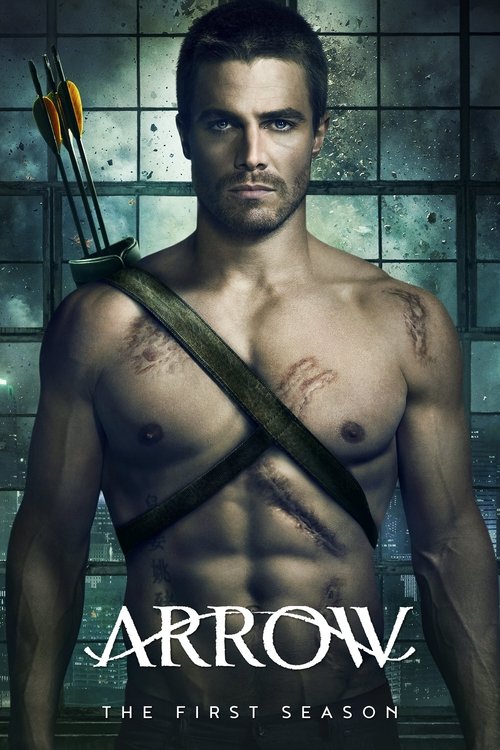
The series opens with Oliver Queen, a wealthy playboy, being rescued from a deserted island after five years. He returns to Starling City, where he is greeted by his mother, Moira Queen, and his younger sister, Thea. The reunion is bittersweet, as Oliver struggles with the trauma of his past and the secrets he carries. He is haunted by memories of the island and the people he lost, particularly his father, Robert Queen, who died in a desperate attempt to save him.
As Oliver reintegrates into society, he attends a party thrown by his mother, where he reconnects with his ex-girlfriend, Laurel Lance, who is now a lawyer. Laurel is still grieving the loss of her sister, Sara, who died in a boating accident that Oliver survived. Oliver feels guilt over the incident, as he knows that Sara was on the boat with him. During the party, Oliver is confronted by his best friend, Tommy Merlyn, who is excited to have him back but unaware of the changes Oliver has undergone.
Determined to make amends for his family's wrongdoings, Oliver adopts the persona of the vigilante known as "The Hood." He begins targeting corrupt individuals named in his father's notebook, which lists those who have wronged the city. His first target is Adam Hunt, a businessman who has defrauded the city. Oliver confronts Hunt in a dramatic showdown, using his archery skills to incapacitate him and deliver a message about justice. This act of vigilantism sets the tone for Oliver's new mission.
As Oliver continues his crusade, he faces challenges from law enforcement, particularly Detective Quentin Lance, Laurel's father, who is determined to capture The Hood. Quentin is conflicted, as he is also dealing with the loss of his daughter, Sara, and his strained relationship with Laurel. Meanwhile, Oliver's actions begin to draw attention, and he struggles to balance his double life while maintaining his relationships with his family and friends.
Oliver's relationship with Thea becomes strained as she begins to notice his erratic behavior. She confronts him about his late-night absences and his secretive nature. Oliver tries to reassure her, but he is increasingly consumed by his mission. He also faces pressure from his mother, who is hiding her own secrets, including her involvement in a conspiracy that ties back to the city's corruption.
As the season progresses, Oliver's past on the island is revealed through flashbacks. He encounters a man named Slade Wilson, who becomes a mentor and ally, teaching him survival skills and combat. Slade's presence on the island is pivotal, as he helps Oliver transform from a scared young man into a formidable fighter. Their bond is tested when they face off against a group of mercenaries, leading to intense battles that shape Oliver's character.
Oliver's quest for justice leads him to confront more powerful adversaries, including the crime lord, Malcolm Merlyn, who is revealed to be Tommy's father. Malcolm is orchestrating a plan to destroy the Glades, a poor area of Starling City, as part of a larger scheme. Oliver learns of Malcolm's intentions and realizes that he must stop him to protect the city and its inhabitants.
The tension escalates as Oliver's dual life begins to unravel. Laurel discovers Oliver's secret identity after witnessing him in action as The Hood. This revelation complicates their relationship, as Laurel grapples with her feelings for Oliver and her commitment to justice. Meanwhile, Quentin intensifies his pursuit of The Hood, leading to a series of close calls and confrontations.
In a climactic showdown, Oliver confronts Malcolm Merlyn, who has initiated his plan to destroy the Glades using a device that will cause mass destruction. The stakes are high as Oliver assembles a team, including Diggle, his bodyguard, and Felicity Smoak, a tech expert, to thwart Malcolm's plans. The battle culminates in a fierce confrontation at the Merlyn Global headquarters, where Oliver faces off against Malcolm and his henchmen.
As the season reaches its conclusion, the destruction of the Glades occurs, resulting in chaos and loss of life. Oliver is left to grapple with the consequences of his actions and the impact on his loved ones. The season ends with a shocking twist as Malcolm reveals his true intentions and the extent of his plans, setting the stage for future conflicts. Oliver stands at a crossroads, determined to continue his fight for justice while facing the personal demons that haunt him.







What is the ending?
At the end of Arrow Season 1, Oliver Queen confronts his mother's involvement in the conspiracy that led to his father's death. He also faces off against the Dark Archer, who is revealed to be Malcolm Merlyn, a significant antagonist. The season concludes with a dramatic showdown, leading to significant revelations about trust, betrayal, and the consequences of Oliver's quest for justice.
As the season finale begins, the atmosphere in Starling City is tense. Oliver Queen, having taken on the mantle of the vigilante known as the Hood, prepares for a confrontation with Malcolm Merlyn, the Dark Archer. The stakes are high, as Merlyn's plan to destroy the Glades, a lower-income area of the city, is set to unfold. Oliver is determined to stop him, not only to save the city but also to protect his loved ones.
In the Queen mansion, Oliver's mother, Moira Queen, is revealed to have a deeper connection to Merlyn's plans. As Oliver confronts her, the emotional weight of their family secrets comes crashing down. Moira admits her involvement in the undertaking that led to the destruction of the Glades, revealing that she believed it was necessary for the greater good. This revelation shatters Oliver's trust in her, leaving him feeling betrayed and conflicted. He grapples with the realization that the people he loves may not be who he thought they were.
Meanwhile, Thea Queen, Oliver's younger sister, is caught in the crossfire of the impending chaos. She is unaware of the full extent of her family's secrets but senses the tension. As the night unfolds, she finds herself in danger, heightening the stakes for Oliver. He is driven by a fierce need to protect her, which adds to his internal conflict about his family's legacy.
The climax of the episode takes place in the Glades, where Merlyn's plan is set to come to fruition. Oliver, with the help of his allies--John Diggle and Felicity Smoak--races against time to thwart the destruction. The trio engages in a fierce battle against Merlyn's forces, showcasing their growth and teamwork throughout the season. Each character's motivations are clear: Oliver fights for redemption, Diggle seeks to protect his friend, and Felicity is driven by her loyalty to Oliver.
As the confrontation escalates, Oliver faces Merlyn in a dramatic showdown. The Dark Archer reveals his true intentions, and the fight becomes personal. Oliver's determination to save the Glades and his loved ones fuels his resolve. The battle is intense, filled with physical and emotional stakes, as Oliver must confront not only Merlyn but also the darkness within himself.
In the aftermath of the battle, the Glades are saved, but not without significant consequences. The city is left in turmoil, and the emotional fallout from the events weighs heavily on Oliver. He realizes that his quest for justice has only just begun, and the fight against corruption and crime in Starling City will be a long and arduous journey.
As the season closes, we see the fates of the main characters unfold. Oliver stands alone, grappling with the weight of his choices and the secrets that have been revealed. Moira is left to face the consequences of her actions, her relationship with Oliver forever altered. Thea, still in the dark about the full extent of her family's secrets, is left vulnerable and confused. Diggle and Felicity, having proven their loyalty, are now integral parts of Oliver's mission, ready to support him in the battles to come.
The season ends on a note of uncertainty, with Oliver looking out over Starling City, a city that still needs saving, and a hero who is just beginning to understand the complexities of his role. The final moments hint at the challenges ahead, setting the stage for the next chapter in Oliver's journey as the Arrow.
Is there a post-credit scene?
In the first season of "Arrow," there is no post-credit scene following the final episode. The season concludes with a dramatic climax, but it does not include any additional scenes after the credits roll. The focus remains on the resolution of the season's main plotlines, particularly Oliver Queen's ongoing struggle with his dual identity as the vigilante known as the Hood and his efforts to confront the corruption in Starling City. The absence of a post-credit scene allows the audience to reflect on the events that have transpired throughout the season without any additional teasers or cliffhangers.
What motivates Oliver Queen to become the vigilante known as the Arrow?
Oliver Queen is driven by a deep sense of guilt and responsibility stemming from his time stranded on the island of Lian Yu. After surviving a shipwreck that claimed the lives of his father and many others, he returns to Starling City with a mission to right the wrongs of his family's past. He is particularly focused on taking down corrupt individuals and organizations that have exploited the city, as outlined in his father's notebook.
How does Oliver's relationship with his mother, Moira Queen, evolve throughout Season 1?
Initially, Oliver feels betrayed by his mother, Moira, who he believes is complicit in the corruption that plagues Starling City. As the season progresses, he discovers that she has been keeping secrets to protect him and their family. Their relationship is strained, filled with tension and mistrust, but ultimately, Oliver begins to understand her motivations, leading to a complex bond as they both navigate the challenges posed by their family's legacy.
What role does John Diggle play in Oliver's transformation into the Arrow?
John Diggle starts as Oliver's bodyguard but quickly becomes a crucial ally and confidant. He challenges Oliver's methods and moral compass, pushing him to consider the consequences of his actions. Diggle's military background and strong sense of justice provide Oliver with a grounded perspective, helping him refine his approach to vigilantism. Their partnership evolves into a deep friendship, with Diggle often acting as Oliver's moral anchor.
How does the character of Laurel Lance impact Oliver's journey in Season 1?
Laurel Lance serves as a significant emotional anchor for Oliver, representing his past life and the love he lost during his time away. Her ongoing grief over the death of her sister, Sara, complicates their relationship, as Oliver struggles with his feelings for her while also dealing with the guilt of his own survival. Laurel's determination to seek justice for her sister and her eventual discovery of Oliver's secret identity create tension and drive much of the emotional conflict in the season.
What is the significance of the list that Oliver follows in his quest for justice?
The list, which was given to Oliver by his father, contains the names of corrupt individuals who have wronged the Queen family and the city of Starling City. Each name represents a target for Oliver's vigilante activities, serving as a guide for his mission to cleanse the city of corruption. The list symbolizes Oliver's struggle between vengeance and justice, as he grapples with the morality of his actions and the impact they have on the lives of others.
Is this family friendly?
"Arrow" Season 1 contains several elements that may not be suitable for children or sensitive viewers. Here are some potentially objectionable or upsetting aspects:
-
Violence: The show features frequent action sequences, including hand-to-hand combat, archery, and gunfights. Characters often sustain injuries, and there are scenes depicting blood and physical harm.
-
Death: The series deals with themes of loss and death, including the deaths of significant characters, which can be emotionally intense and distressing.
-
Mature Themes: The narrative explores complex themes such as revenge, betrayal, and moral ambiguity. Characters grapple with their pasts and make difficult choices that may be unsettling.
-
Substance Abuse: There are references to alcohol consumption and drug use, which may not be appropriate for younger audiences.
-
Romantic Relationships: The show includes romantic subplots that involve adult themes, including infidelity and complicated relationships, which may not be suitable for younger viewers.
-
Emotional Turmoil: Characters experience significant emotional struggles, including grief, guilt, and trauma, which can be heavy and potentially upsetting.
These elements contribute to a darker tone that may not be ideal for all audiences, particularly children.