


Popular
What role does Horatio Caine play in the investigation of the murder case in 'Law & Disorder'?
How does the character of Eric Delko contribute to the investigation in this episode?
What is the significance of the relationship between Calleigh Duquesne and the other characters in this episode?
What challenges does the team face from within the police department during the investigation?
How does the episode explore the theme of justice through the character of the murdered officer?
Should I watch it?
Ask Your Own Question

What is the plot?
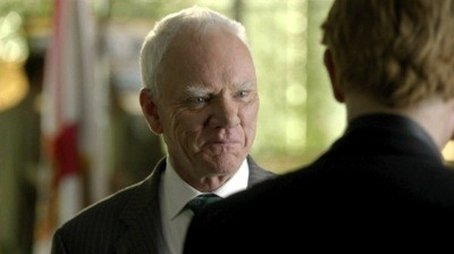
The episode "Law & Disorder" begins with a dramatic scene where a man named Eric Delko is seen in a courtroom, testifying against a criminal named Frank Tripp. Tensions rise as Delko recounts the events leading to the arrest, and the atmosphere is thick with anticipation. The courtroom is filled with spectators, and the stakes are high as Delko's testimony is crucial for the prosecution.
As the trial progresses, the defense attorney, known for his aggressive tactics, begins to undermine Delko's credibility. He questions Delko's past and his motivations, causing Delko to feel the pressure of the courtroom. The audience can sense Delko's internal struggle as he fights to maintain his composure while defending his actions as a CSI.
Meanwhile, the rest of the CSI team, including Horatio Caine, Calleigh Duquesne, and Ryan Wolfe, are working on a separate case involving a murder that has occurred outside the courthouse. They discover that the victim, a young woman, was involved in a high-profile case that had connections to the trial Delko is testifying in. This revelation adds layers to the investigation, as they realize that the two cases may be intertwined.
As the team delves deeper into the murder investigation, they uncover evidence that suggests the victim had been receiving threats prior to her death. They interview witnesses and gather forensic evidence, which leads them to a suspect who has a history of violence. The tension escalates as they race against time to connect the dots before the trial concludes.
Back in the courtroom, Delko's testimony takes a turn when the defense attorney presents a surprise witness who contradicts Delko's account. This unexpected twist leaves Delko shaken, and he begins to doubt his own recollections of the events. The emotional weight of the situation is palpable as Delko grapples with the implications of this new testimony.
Simultaneously, the CSI team makes a breakthrough in their investigation. They discover a link between the suspect and the victim, revealing a motive that could tie the murder back to the trial. This discovery reignites the urgency of their work, and they push forward with renewed determination to gather more evidence.
As the trial reaches its climax, Delko is called back to the stand. He faces intense scrutiny from the defense, who attempts to discredit him further. In a moment of vulnerability, Delko reflects on his commitment to justice and the truth, which fuels his resolve to stand firm in his testimony.
The episode builds to a tense confrontation when the CSI team confronts the suspect they believe is responsible for the murder. A chase ensues, leading to a dramatic standoff. The team works together, utilizing their skills to apprehend the suspect while ensuring the safety of bystanders. The action is fast-paced, with each member of the team playing a crucial role in the capture.
In the aftermath of the confrontation, the team gathers evidence that solidifies their case against the suspect. They present their findings to the prosecutor, who is impressed with the thoroughness of their work. This moment of triumph is bittersweet for Delko, as he reflects on the challenges he faced during the trial.
The episode concludes with the courtroom scene returning to the forefront. The judge delivers a verdict based on the evidence presented, and the outcome of the trial is revealed. Delko's testimony ultimately plays a pivotal role in securing justice, and the emotional weight of the experience leaves a lasting impact on him and the rest of the team.
As the credits roll, the characters are seen processing the events of the day, each dealing with their own emotions and the implications of the case. The episode ends on a note of reflection, highlighting the complexities of the justice system and the personal toll it takes on those involved.








What is the ending?
In the ending of "Law & Disorder," the team uncovers the truth behind a series of murders linked to a corrupt police officer. Horatio Caine confronts the officer, leading to a tense standoff. Ultimately, justice is served as the officer is arrested, and the team reflects on the importance of integrity in law enforcement.
As the episode draws to a close, Horatio stands resolute, emphasizing the need for accountability within the police force. The team members, including Calleigh, Eric, and Ryan, share a moment of camaraderie, reaffirming their commitment to justice and the protection of the innocent.
The episode "Law & Disorder" culminates in a gripping finale that unfolds with a series of intense scenes, each revealing the stakes involved in the investigation.
The tension escalates as Horatio Caine and his team piece together the evidence linking a series of murders to a corrupt police officer, Officer Tatum. The investigation has been fraught with challenges, as the team grapples with the implications of betrayal from within their ranks.
In the final act, the scene shifts to a dimly lit warehouse where Horatio and his team have tracked down Officer Tatum. The atmosphere is thick with suspense as they prepare to confront him. Horatio, embodying both authority and determination, approaches Tatum, who is cornered and desperate. The confrontation is charged with emotion; Tatum's facade of confidence crumbles as he realizes the gravity of his actions.
As Horatio lays out the evidence against him, Tatum's internal conflict becomes palpable. He is torn between his past as a respected officer and the reality of his current situation. The dialogue is sharp, with Horatio emphasizing the importance of integrity in law enforcement. Tatum, feeling the weight of his choices, attempts to justify his actions, but Horatio remains steadfast, insisting that justice must prevail.
The standoff reaches its climax when Tatum, feeling cornered, makes a reckless move. The team springs into action, and a brief struggle ensues. Ultimately, Tatum is subdued and arrested, his reign of corruption coming to an end. The scene is heavy with the implications of betrayal, not just for the victims of Tatum's actions but for the entire police force.
As the dust settles, the team gathers outside the warehouse, the weight of the day's events hanging in the air. Horatio reflects on the importance of accountability, reminding his team that the badge they wear represents a commitment to justice. Calleigh, Eric, and Ryan stand by him, their expressions a mix of relief and resolve. They understand that their work is far from over, but they are united in their mission to protect the innocent and uphold the law.
In the final moments, the camera pans over the team, capturing their camaraderie and shared purpose. Each character's fate is intertwined with the outcome of the case; they emerge not just as colleagues but as a family bound by their dedication to justice. The episode closes with a sense of hope, underscoring the message that even in the face of corruption, integrity and teamwork can prevail.
Is there a post-credit scene?
In "Law & Disorder," the 18th episode of season 10 of CSI: Miami, there is no post-credit scene. The episode concludes without any additional scenes or content after the credits roll. The focus remains on the resolution of the main storyline, which revolves around the investigation of a murder case that intertwines with themes of justice and the legal system. The episode wraps up with the characters reflecting on the events that transpired, emphasizing the emotional weight of their experiences throughout the investigation.
What role does Horatio Caine play in the investigation of the murder case in 'Law & Disorder'?
Horatio Caine, portrayed by David Caruso, takes on a central role in the investigation of a murder case involving a police officer. His determination to seek justice is evident as he navigates the complexities of the case, which is further complicated by the involvement of a corrupt police officer.
How does the character of Eric Delko contribute to the investigation in this episode?
Eric Delko, played by Adam Rodriguez, is deeply involved in the forensic analysis of the evidence collected from the crime scene. His expertise in the lab helps uncover crucial details that lead the team closer to solving the murder, showcasing his dedication and skill as a CSI.
What is the significance of the relationship between Calleigh Duquesne and the other characters in this episode?
Calleigh Duquesne, portrayed by Emily Procter, exhibits a strong emotional connection with her colleagues, particularly as they face the challenges of the case together. Her interactions reveal her commitment to her team and the emotional toll that the investigation takes on her.
What challenges does the team face from within the police department during the investigation?
The team faces significant challenges from within the police department, particularly due to the presence of corruption and the reluctance of some officers to cooperate. This internal conflict creates tension and complicates the investigation, forcing the CSIs to navigate a web of distrust.
How does the episode explore the theme of justice through the character of the murdered officer?
The episode explores the theme of justice through the backstory of the murdered officer, revealing his dedication to upholding the law and the impact of his death on the community and his fellow officers. This personal connection drives the CSIs to pursue the case with heightened urgency and emotional investment.
Is this family friendly?
"CSI: Miami" is known for its intense crime drama and often includes themes that may not be suitable for children or sensitive viewers. In the episode "Law & Disorder," there are several potentially objectionable aspects:
-
Violence: The episode features crime scenes that may include graphic depictions of violence or the aftermath of violent acts, which can be disturbing.
-
Murder Investigation: The central plot revolves around a murder case, which involves discussions and depictions of death and the investigation process, including autopsies.
-
Emotional Distress: Characters may experience intense emotional reactions to the crimes being investigated, including grief and anger, which could be upsetting for some viewers.
-
Legal and Ethical Dilemmas: The episode explores themes of justice and the legal system, which may include discussions of corruption or moral ambiguity that could be complex for younger audiences to understand.
-
Language: There may be instances of strong language or adult themes that are not suitable for children.
Overall, while the show is a crime procedural, its content may not be appropriate for younger viewers or those sensitive to themes of violence and emotional distress.