


Popular
What is the main conflict that arises in the episode 'Beat with a Schtick'?
How does Wilt's character develop throughout the episode?
What role does Coco play in the episode, and how does her character influence Wilt?
What comedic elements are present in Wilt's attempts to find his talent?
How do the other imaginary friends react to Wilt's performance?
Should I watch it?
Ask Your Own Question

What is the plot?
The episode "Beat with a Schtick" begins with Bloo, Mac, and the other imaginary friends at Foster's Home for Imaginary Friends preparing for a talent show. The atmosphere is filled with excitement as everyone is eager to showcase their unique abilities. Bloo, feeling particularly confident, decides he wants to perform a stand-up comedy routine. He believes that his humor will win over the audience and secure him the spotlight.
As the preparations continue, Bloo's enthusiasm grows, but he quickly realizes that he lacks the necessary material for his act. He becomes increasingly anxious about his performance, fearing that he won't be funny enough to impress the crowd. In an effort to boost his confidence, he seeks advice from his friends, but their suggestions only add to his confusion. Mac tries to help by encouraging Bloo to be himself, but Bloo is determined to find the perfect joke.
Meanwhile, Wilt, another resident of Foster's, is preparing for his own act, which involves showcasing his impressive basketball skills. He is calm and collected, contrasting Bloo's frantic energy. Wilt's confidence in his talent serves as a reminder to Bloo of his own insecurities. As the talent show approaches, Bloo becomes increasingly desperate to come up with a winning routine.
On the day of the talent show, the stage is set, and the audience is buzzing with anticipation. Bloo takes the stage first, but as he begins his routine, he quickly realizes that he has forgotten all his material. Panic sets in, and he stumbles through his performance, trying to improvise jokes that fall flat. The audience's reaction is tepid, and Bloo feels humiliated as he struggles to regain his composure.
After Bloo's lackluster performance, Wilt takes the stage and captivates the audience with his basketball skills. He performs impressive tricks and showcases his athleticism, earning loud cheers and applause. Bloo watches from the sidelines, feeling a mix of envy and admiration for Wilt's success. This moment deepens Bloo's internal conflict as he grapples with his own feelings of inadequacy.
As the show continues, Bloo's frustration mounts. He decides to take matters into his own hands and attempts to sabotage Wilt's performance by distracting him. Bloo's plan backfires, leading to a series of comedic mishaps that only serve to embarrass him further. The chaos escalates, and Bloo's actions inadvertently create a humorous spectacle that the audience finds entertaining.
In a surprising turn of events, Bloo's antics end up winning over the crowd. They begin to laugh at the absurdity of the situation, and Bloo realizes that sometimes, being funny comes from being genuine and embracing the unexpected. This revelation shifts his perspective, and he starts to enjoy the moment rather than focusing solely on winning.
The talent show concludes with a sense of camaraderie among the friends at Foster's. Bloo learns that while he may not have delivered the perfect stand-up routine, he still managed to bring joy to the audience through his spontaneity. The episode ends on a high note, with Bloo and Wilt sharing a moment of mutual respect and friendship, celebrating the fun they had during the show.
🔥 Trending TV Shows Now
Browse All TV Shows →






What is the ending?
In the ending of "Beat with a Schtick," Bloo's plan to win a talent show backfires when he realizes that his overconfidence leads to a disastrous performance. However, he learns the importance of teamwork and humility as he reconciles with his friends. The episode concludes with Bloo accepting his mistakes and appreciating the support of his friends.
As the episode nears its conclusion, the scene shifts to the talent show stage, where Bloo stands confidently, ready to showcase his act. The atmosphere is electric, filled with anticipation from the audience, which includes various imaginary friends and their creators. Bloo, dressed in a flashy costume, is determined to impress everyone with his comedic routine, believing that his charm alone will win the day.
As he begins his performance, the initial laughter quickly turns to awkward silence. Bloo's jokes, which he thought were hilarious, fall flat, and he struggles to regain the audience's attention. His over-the-top antics, once amusing, now seem desperate. The camera captures his growing panic as he realizes that he is losing the crowd. His friends, Mac and the other imaginary friends, watch from the sidelines, their expressions shifting from excitement to concern.
In a moment of desperation, Bloo attempts to salvage his act by incorporating props and gimmicks, but this only leads to further chaos. The scene is filled with slapstick humor as Bloo fumbles with his schtick, causing unintended mishaps that only embarrass him more. The audience begins to murmur, and Bloo's confidence crumbles. He feels isolated on stage, the laughter he craved now replaced by a sense of failure.
Meanwhile, Mac, who has been watching with a mix of worry and disappointment, realizes that Bloo needs support. He rushes to the stage, calling out to Bloo, urging him to remember the fun they had while practicing together. This moment of encouragement sparks a change in Bloo. He looks out at his friends and the audience, and for the first time, he acknowledges his mistakes. The realization washes over him that he cannot do it alone and that his friends are his greatest asset.
With renewed determination, Bloo invites Mac and the other imaginary friends to join him on stage. The scene shifts to a collaborative performance, where they all work together, combining their unique talents. The audience, initially skeptical, begins to warm up to the act as the group showcases their camaraderie and creativity. Laughter fills the room, not just at Bloo's jokes but at the genuine fun they are having together.
As the performance concludes, the audience erupts in applause, appreciating the teamwork and the joy of the moment. Bloo, now beaming with pride, realizes that the true victory lies not in winning the talent show but in the bond he shares with his friends. The camera captures the smiles and laughter of the group, highlighting their unity.
In the final moments, Bloo steps forward to thank the audience and his friends, expressing his gratitude for their support. He acknowledges that he may not have won the competition, but he has gained something far more valuable: the understanding that friendship and collaboration are what truly matter. The episode closes with a heartwarming scene of the group celebrating together, reinforcing the themes of friendship, humility, and the importance of working together.
Is there a post-credit scene?
In the episode "Beat with a Schtick" from season 2 of Foster's Home for Imaginary Friends, there is no post-credit scene. The episode concludes without any additional content after the credits roll. The focus remains on the main storyline and character interactions throughout the episode, leaving no further scenes or moments to explore after the credits.
What is the main conflict that arises in the episode 'Beat with a Schtick'?
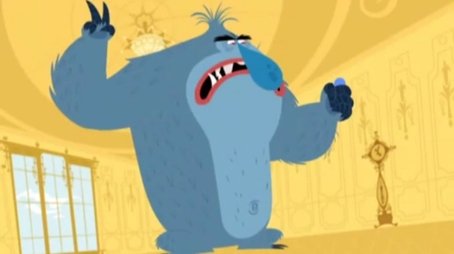
The main conflict in 'Beat with a Schtick' arises when Wilt, a character known for his kindness and support, feels overshadowed by Coco's popularity as a performer. Wilt struggles with his self-esteem and feels that he cannot compete with Coco's talent, leading to a series of comedic and emotional moments as he tries to find his own unique talent.
How does Wilt's character develop throughout the episode?
Throughout the episode, Wilt experiences a journey of self-discovery. Initially, he feels inadequate compared to Coco and is consumed by jealousy. However, as the story progresses, he learns to embrace his own strengths and talents, ultimately realizing that he doesn't need to compete with others to be valued. This development is marked by moments of vulnerability and determination.
What role does Coco play in the episode, and how does her character influence Wilt?
Coco plays a significant role as a performer who captures the attention of the audience with her unique act. Her popularity inadvertently makes Wilt feel insecure about his own abilities. However, Coco's character also serves as a catalyst for Wilt's growth, as her success pushes him to confront his feelings and ultimately inspires him to showcase his own talents.
What comedic elements are present in Wilt's attempts to find his talent?
Wilt's attempts to find his talent are filled with comedic elements, including slapstick humor and exaggerated scenarios. For instance, he tries various acts that go hilariously wrong, such as juggling and magic tricks, leading to chaotic and funny situations. These moments not only provide humor but also highlight his determination and the absurdity of his struggles.
How do the other imaginary friends react to Wilt's performance?
The other imaginary friends have mixed reactions to Wilt's performance. Initially, they are supportive but also skeptical, as they are used to Coco's high-energy act. As Wilt begins to find his own style, their reactions shift from doubt to encouragement, culminating in a heartwarming moment where they cheer him on, showcasing the theme of friendship and support.
Is this family friendly?
"Foster's Home for Imaginary Friends," particularly in the episode "Beat with a Schtick," is generally considered family-friendly. However, there are a few aspects that might be potentially objectionable or upsetting for children or sensitive viewers:
-
Conflict and Rivalry: The episode features themes of competition and rivalry, which may lead to feelings of tension or anxiety for some viewers, especially younger children.
-
Emotional Upset: Characters experience disappointment and frustration, which could resonate with sensitive viewers who may empathize deeply with their struggles.
-
Physical Comedy: There are instances of slapstick humor that involve characters getting hurt or embarrassed, which might be upsetting for some children who are sensitive to physical comedy.
-
Slightly Dark Humor: The show occasionally employs humor that can be interpreted as dark or sarcastic, which may not be suitable for all children.
Overall, while the episode maintains a lighthearted tone, these elements could be considered for viewers who are particularly sensitive to conflict or emotional distress.