













Popular
What magical item do Ian and Barley use to try to bring their father back?
What is the significance of the Manticore in the story?
How does Ian's character develop throughout the film?
What challenges do Ian and Barley face while trying to complete the spell?
What role does the van, Guinevere, play in the story?
Should I watch it?
Ask Your Own Question

What is the plot?
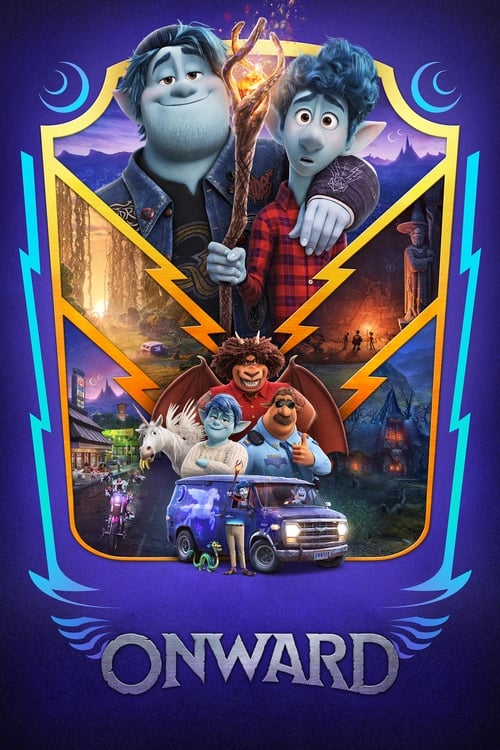
The sun rises over New Mushroomton, a suburban fantasy world where elves, trolls, sprites, and centaurs live side by side, their lives shaped by modern technology rather than ancient magic. The streets hum with electric cars, and unicorns graze in backyards like common pets. In a modest house on a quiet street, sixteen-year-old Ian Lightfoot wakes up to the sound of his alarm. Today is his birthday, and though he tries to muster excitement, his anxiety clings to him like a second skin. He is shy, awkward, and struggles to connect with anyone at school. His older brother, Barley Lightfoot, bursts into the room, a whirlwind of energy and confidence, already dressed in his signature metalhead attire. Barley is obsessed with role-playing games and the lore of a time when magic ruled the world, but he lacks direction in real life, still living at home and dreaming of adventures he's never taken.
Their mother, Laurel Lightfoot, greets them with her usual sardonic warmth. She is a hardworking, devoted single mom who lost her husband, Wilden Lightfoot, years ago--before Ian was even born. Laurel's boyfriend, Colt Bronco, a centaur police officer, is also present, adding to the household's unique blend of fantasy and modernity. Laurel presents her sons with a package from their father, Wilden, which he had instructed be given to them when they both turned sixteen. Inside, they find a magical staff, a rare Phoenix gem, and a letter. The letter explains that these items can be used to cast a "visitation spell" that will bring Wilden back to life for exactly one day. The spell must be performed perfectly, and only once.
Ian, trembling with anticipation, reads the instructions aloud. Barley watches with a mix of excitement and skepticism. As Ian begins the spell, Barley interrupts, asking a question. The spell is disrupted, and the Phoenix gem disintegrates. Instead of their father appearing whole, only the lower half of his body materializes--khakis, shoes, and whimsical socks. Wilden's voice, warm and familiar, comes from the waist down. The brothers are stunned, but Wilden is gentle, urging them to complete the spell before sunset. They have only 24 hours to find another Phoenix gem and finish what they started.
Determined, Ian and Barley decide to embark on a quest. They take Barley's beloved van, Guinevere, a groovy purple vehicle he built himself, adorned with crescent moon windows and a Pegasus mural. Guinevere is more than just a van; she is Barley's "mighty steed," a symbol of his dreams and aspirations. They set off on the Expressway, Wilden's lower half joining them in the back seat. Ian is nervous about driving, but Barley encourages him, relying on his role-playing game instincts to navigate the road.
Their first major stop is the Manticore's Tavern, a place once known as a dangerous gathering spot for adventurers but now a mundane family restaurant. The tavern is managed by the Manticore, Corey, a once-powerful warrior who has grown complacent in her new life. Corey is voiced by Octavia Spencer, and her presence adds a layer of complexity to the story. The brothers seek a map to locate the Phoenix gem, but during an argument with Ian, Corey realizes how mundane and unfulfilling her life has become. In a fit of rage, she drives out her customers and accidentally sets fire to both the map and the restaurant. This moment transforms Corey from a complacent manager into an active participant in the quest, as she becomes "sucked into" helping the brothers.
As they continue their journey, Guinevere runs out of gas. Barley suggests that Ian use a growth spell on a gas can containing a few drops of gasoline, theorizing that the gasoline inside would grow with the can. Ian attempts the spell but, unable to concentrate, ends up shrinking Barley instead. This magical mishap forces Ian to walk to a gas station alone while Barley remains in his diminished state. At the gas station, Ian is attacked by sprites, a motorcycle gang of mischievous creatures. He must drive them away himself since Barley cannot help in his shrunken condition. Ian overcomes his fears and merges into Expressway traffic as the van is pursued by sprites. He successfully fights off the attackers and takes the exit to the mountain. As the spell wears off, Barley returns to his normal size, but the van is now pursued by police for violating traffic rules.
Officer Bronco, Laurel's boyfriend, catches up to the group and orders them to return home. Ian appears to comply but unexpectedly drives away, leading to a wild police chase. In a dramatic moment of sacrifice, Barley causes a landslide that blocks their pursuers, allowing the brothers and their father to escape. Guinevere is destroyed in the process, a loss that weighs heavily on Barley.
The brothers discover that "Raven's Point" is a series of raven statues leading down into a cave. While exploring, Barley confesses a deeply personal secret: he was too afraid to say goodbye to Wilden on his deathbed. This emotional revelation demonstrates character growth and vulnerability from the confident older brother. The party makes their way through the cave, evading a series of increasingly dangerous traps. However, when they emerge on the other side, they find themselves back in town in front of Ian's high school. Their quest appears to have been in vain.
Believing their mission has failed, Ian lashes out at Barley, calling him a "screw-up" before leaving with Wilden. This represents the lowest point in the brothers' relationship and demonstrates Ian's frustration and despair at what appears to be a failed mission. Throughout their journey, the brothers face the threat of a Guardian Curse in the shape of a mighty beast that can only be defeated by a special sword called the "curse crusher." Corey and Laurel steal this sword from a pawn shop to prepare for this confrontation. This curse represents an additional obstacle and danger that escalates the stakes of their quest.
The film culminates in a climactic showdown with a makeshift monster. The confrontation is chaotic and destructive, but it stops abruptly and shifts to a teary-eyed conclusion. The ending emphasizes the deeper meaning of the brothers' journey--that spending one magical day with their father, even in his incomplete form, means more than any of them ever dreamed. The quest ultimately transforms not just Ian and Barley, but also those around them. Laurel, who sets out after her sons when she discovers they are missing, teams up with the Manticore and heads off to find them. Corey's participation in the quest represents her reclamation of her former warrior spirit and her escape from mundane complacency.
The story resolves the central conflict--whether the brothers can complete the visitation spell and spend meaningful time with their deceased father--while also addressing deeper themes about family bonds, overcoming fear, and finding magic in unexpected places within a world where magic itself has become rare and forgotten. The film ends with a sense of emotional fulfillment, as the brothers realize that the true magic lies not in the spell or the gem, but in the love and connection they share with each other and their father.


What is the ending?
In the ending of "Onward," Ian and Barley Lightfoot successfully complete their quest to see their father one last time, but they only manage to bring back the lower half of his body. In a moment of selflessness, Ian chooses to let Barley have the final moment with their father, allowing him to say goodbye. The brothers return home, having grown closer and learned the importance of their bond.
As the sun sets, Ian reflects on the journey they took together, realizing that while they didn't get to see their father fully, the time spent with Barley was what truly mattered. The film concludes with the brothers embracing their relationship and the adventures that lie ahead.
As the climax of "Onward" unfolds, the scene shifts to a tense moment where Ian and Barley Lightfoot are racing against time to complete their quest. They are in the midst of a chaotic battle with the Manticore and the police, trying to retrieve the Phoenix Gem that will allow them to bring back their father for one day. The stakes are high, and the brothers are filled with a mix of determination and anxiety.
After a series of frantic encounters, they finally manage to secure the gem. However, as they prepare to cast the spell, they realize that they only have enough magic left to bring back the lower half of their father, Wilden Lightfoot. This moment is filled with a sense of bittersweet anticipation; they are about to see their father, but it won't be the reunion they had hoped for.
As the spell is cast, a shimmering light envelops the area, and Wilden's lower half materializes. The brothers are initially ecstatic, but their joy is tempered by the realization that they cannot see his face or hear his voice. The emotional weight of the moment hangs heavily in the air as they grapple with the limitations of their magic.
In a poignant turn, Ian, who has been the more reserved and cautious brother, finds himself in a moment of clarity. He recognizes that Barley, who has always idolized their father and longed for a connection, deserves this moment more than he does. With a heavy heart but a sense of maturity, Ian steps back and encourages Barley to take the lead. This act of selflessness marks a significant growth in Ian's character, showcasing his understanding of family and sacrifice.
Barley approaches their father, who is now just a pair of legs, and speaks to him with heartfelt emotion. He shares his memories and feelings, expressing the love and admiration he has always held for Wilden. The scene is filled with warmth and nostalgia, as Barley finally gets to say goodbye, even if it is not in the way he had envisioned.
As the moment draws to a close, the brothers hear the sound of sirens approaching, signaling that they need to leave. They rush back to their van, and as they drive away, Ian reflects on the journey they have taken together. He realizes that while they did not get the closure he initially sought, the bond he has formed with Barley is far more valuable. The adventure has brought them closer, and he understands that their relationship is what truly matters.
The film concludes with a sense of hope and renewal. Ian and Barley, now united as brothers, look forward to the future, ready to embrace new adventures together. The final scene captures the essence of their journey, emphasizing the importance of family, love, and the connections we forge with those around us. The brothers drive off into the sunset, symbolizing the endless possibilities that lie ahead, grounded in the strength of their relationship.
Is there a post-credit scene?
Yes, "Onward" features a post-credit scene.
In this scene, we see a brief moment with the character of Barley Lightfoot, who is portrayed as enthusiastic and adventurous. After the main story concludes, the scene shifts to Barley and his mother, Laurel, as they are driving in their van. They are on their way to a new adventure, and Barley is excitedly talking about the possibilities that lie ahead.
The camera then cuts to a shot of the van driving off into the distance, with Barley's voiceover expressing his eagerness for the next journey. This moment encapsulates the themes of brotherhood and the importance of family, leaving the audience with a sense of hope and the idea that there are always new adventures to be had, even after the main quest has ended. The scene serves as a light-hearted conclusion, reinforcing the bond between the characters and their willingness to embrace the future together.
What magical item do Ian and Barley use to try to bring their father back?
Ian and Barley use a magical staff that belonged to their father, which is part of a spell that can bring him back for one day.
What is the significance of the Manticore in the story?
The Manticore, named Corey, is a former adventurer who now runs a family restaurant. She represents the lost sense of adventure in the world and helps Ian and Barley when they seek her guidance.
How does Ian's character develop throughout the film?
Ian starts as a shy and insecure teenager who struggles with self-confidence. Throughout the journey, he learns to embrace his abilities, take risks, and ultimately becomes more courageous, especially when he faces the challenges of completing the spell.
What challenges do Ian and Barley face while trying to complete the spell?
Ian and Barley face several challenges, including a run-in with the police, a dangerous encounter with a dragon, and the need to find the missing components of the spell, all while navigating their own sibling dynamics.
What role does the van, Guinevere, play in the story?
Guinevere, Barley's beloved van, serves as their mode of transportation and symbolizes their bond as brothers. It also becomes a crucial part of their adventure, showcasing Barley's passion for the past and his desire to honor their father's memory.
Is this family friendly?
"Onward" is generally considered family-friendly, but there are a few scenes and themes that might be potentially objectionable or upsetting for children or sensitive viewers:
-
Loss and Grief: The film deals with the absence of the main characters' father, who passed away when they were young. This theme of loss is central to the story and may evoke strong emotions.
-
Emotional Moments: There are several poignant scenes where characters express their feelings of longing and sadness regarding their father, which could be heavy for younger viewers.
-
Mild Scary Elements: Some scenes feature magical creatures and situations that could be perceived as frightening, such as encounters with a menacing creature or moments of tension during their quest.
-
Sibling Conflict: The relationship between the two brothers, Ian and Barley, includes moments of frustration and conflict, which may resonate with children who have siblings.
-
Mature Themes: While the film is lighthearted, it touches on themes of responsibility, maturity, and the complexities of family dynamics, which might be more relatable to older children and adults.
Overall, while "Onward" is designed for a family audience, these elements may require parental guidance for younger viewers.







