


































Popular
What is the significance of the Mystery Machine in the film?
How does the character of Scrappy-Doo impact the story?
What motivates Velma to solve the mystery on Spooky Island?
How does Daphne's character evolve throughout the film?
What role does the character of Shaggy play in the comedic elements of the film?
Should I watch it?
Ask Your Own Question

What is the plot?
Sorry, we aren't able to watch and write up a full detailed plot yet. Check back in a few days.


What is the ending?
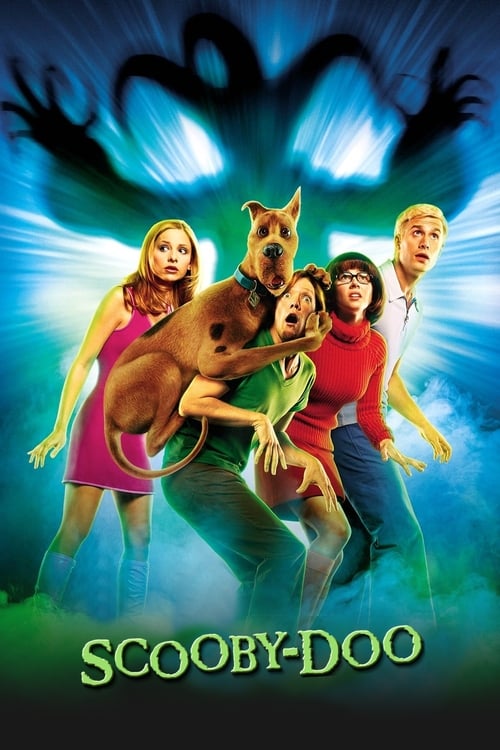
At the end of the movie "Scooby-Doo," the Mystery Inc. gang uncovers the true identity of the villain, who is revealed to be the character Scrappy-Doo. After a climactic battle, they manage to defeat him, and the gang reconciles their differences. They leave the island together, ready for their next adventure.
Now, let's delve into the ending in a more detailed narrative fashion.
As the climax of the film unfolds, the gang finds themselves in the lair of the villain, who has been terrorizing the island of Spooky Island. The atmosphere is tense, filled with the sounds of eerie echoes and the flickering of dim lights. Fred, Daphne, Velma, Shaggy, and Scooby-Doo confront the monstrous creature that has been wreaking havoc. The gang is initially disoriented, but they quickly regroup, relying on their teamwork and individual strengths.
Fred takes charge, directing the group with confidence. He devises a plan to trap the creature, showcasing his leadership skills. Velma, with her sharp intellect, analyzes the situation, piecing together clues that lead them closer to the truth. Daphne, ever resourceful, uses her agility to navigate the treacherous terrain, while Shaggy and Scooby, though fearful, muster their courage to assist their friends.
As they delve deeper into the lair, they discover a hidden chamber filled with the remnants of past victims, which heightens the stakes. The gang's determination grows as they realize that they must not only save themselves but also the souls of those who have been captured. The tension escalates when they finally confront the creature, and in a moment of revelation, it is unmasked to reveal Scrappy-Doo, Scooby's former sidekick.
The revelation is shocking. Scrappy, once a beloved member of the gang, has turned against them, driven by a desire for power and recognition. His transformation from a cute puppy to a villainous mastermind is both surprising and poignant. The gang is initially taken aback, grappling with the betrayal of someone they once trusted. Scrappy's motivations are rooted in his feelings of inadequacy and his desire to prove himself, which adds a layer of complexity to the conflict.
In a fierce showdown, the gang works together to thwart Scrappy's plans. Fred and Velma devise a trap, while Daphne distracts Scrappy with her quick thinking. Shaggy and Scooby, despite their fear, find the courage to confront Scrappy, leading to a humorous yet intense battle. The scene is filled with slapstick comedy as Scooby and Shaggy inadvertently outsmart Scrappy, showcasing their unique bond and loyalty to each other.
As the dust settles, Scrappy is captured, and the gang reflects on the events that transpired. They realize that their friendship and teamwork are what truly matter, and they have grown closer through the challenges they faced. The emotional weight of the confrontation lingers as they come to terms with the betrayal but also celebrate their victory.
In the final moments, the gang leaves Spooky Island together, their bond stronger than ever. Fred expresses his gratitude for the team, while Velma acknowledges the importance of trust and friendship. Daphne, with a newfound confidence, suggests they take on more mysteries together. Shaggy and Scooby, relieved and happy, share a moment of camaraderie, reaffirming their loyalty to one another.
As they drive off into the sunset in the Mystery Machine, the screen fades to black, leaving the audience with a sense of closure and anticipation for their next adventure. Each character has grown through the experience, learning valuable lessons about trust, teamwork, and the importance of friendship. The film concludes with a lighthearted tone, reminding viewers of the joy and excitement that comes with solving mysteries together.
Is there a post-credit scene?
In the 2002 movie "Scooby-Doo," there is indeed a post-credit scene. After the credits roll, the scene opens with Scooby-Doo and Shaggy sitting in a diner, enjoying a large plate of food. They are animatedly discussing their recent adventure and how they managed to solve the mystery of the haunted amusement park.
As they indulge in their meal, a mysterious figure in a costume resembling a monster from their past appears in the background, causing Scooby and Shaggy to freeze in mid-bite. Their eyes widen in fear, and they exchange nervous glances, clearly terrified. Just as the figure approaches, it is revealed to be a man in a costume, who is actually just a fan of the duo.
Scooby and Shaggy, relieved but still a bit shaken, burst into laughter, and the scene ends with them returning to their food, oblivious to the fact that they are still surrounded by the remnants of their spooky adventures. This light-hearted moment encapsulates the film's comedic tone and the enduring friendship between the characters, leaving the audience with a sense of joy and nostalgia.
What is the significance of the Mystery Machine in the film?
The Mystery Machine serves as the iconic van for the Mystery Inc. gang, symbolizing their teamwork and adventurous spirit. It is not just a mode of transportation but also a mobile base for their investigations. Throughout the film, it is depicted as a colorful, somewhat quirky vehicle that reflects the personalities of its occupants, particularly Shaggy and Scooby, who often find comfort and safety within it.
How does the character of Scrappy-Doo impact the story?
Scrappy-Doo, the energetic and often underestimated nephew of Scooby-Doo, plays a pivotal role in the film's plot twist. Initially, he is portrayed as a loyal member of the gang, eager to prove himself. However, as the story unfolds, it is revealed that he is the main antagonist, having orchestrated the events on Spooky Island to gain power and control. This betrayal adds depth to his character and serves as a commentary on loyalty and ambition.
What motivates Velma to solve the mystery on Spooky Island?
Velma is driven by her insatiable curiosity and intellect, which are central to her character. Upon arriving at Spooky Island, she is immediately intrigued by the strange occurrences and the mystery surrounding the island's theme park. Her determination to uncover the truth is fueled by her desire to prove her capabilities and to help her friends, showcasing her role as the brains of the group.
How does Daphne's character evolve throughout the film?
Daphne begins as the typical damsel in distress, often needing rescue from the various monsters they encounter. However, as the story progresses, she discovers her own strength and resourcefulness. She takes on a more active role in the investigation, showcasing her skills in martial arts and her ability to think on her feet, ultimately transforming into a more empowered character who can hold her own alongside the rest of the gang.
What role does the character of Shaggy play in the comedic elements of the film?
Shaggy is the primary source of comic relief in the film, characterized by his cowardice, love for food, and his close bond with Scooby-Doo. His exaggerated reactions to danger and his humorous interactions with Scooby create lighthearted moments throughout the film. His character often finds himself in absurd situations, such as running away from monsters or engaging in slapstick humor, which not only entertains but also highlights the friendship and loyalty he shares with Scooby.
Is this family friendly?
"Scooby-Doo," produced in 2002, is generally considered a family-friendly film, aimed primarily at children and fans of the original animated series. However, there are a few scenes and aspects that might be potentially objectionable or upsetting for younger viewers or sensitive individuals:
-
Mild Scares: The film features various spooky elements, including ghostly apparitions and creepy settings that may frighten younger children. The visual effects of the monsters can be intense.
-
Humor and Jokes: Some of the humor is aimed at older audiences, including innuendos and jokes that may not be appropriate for very young children.
-
Conflict and Tension: There are moments of conflict between the characters, including arguments and misunderstandings that could be upsetting for sensitive viewers.
-
Chase Scenes: The film includes several chase sequences that may be thrilling but could also be perceived as intense or anxiety-inducing for some children.
-
Mild Violence: There are instances of cartoonish violence, such as characters getting knocked around or comically injured, which may not be suitable for all viewers.
Overall, while the film is designed to entertain a family audience, these elements may warrant parental guidance for younger children or those who are particularly sensitive to such themes.







