


Popular
What specific events lead to the climax of Season 3?
What challenges does the character Ah Choi face in Season 3?
How does the relationship between Ah Choi and her love interest develop throughout Season 3?
What role does the character of Uncle Choi play in the dynamics of the family in Season 3?
How does the character of Mei Ling evolve in Season 3?
Should I watch it?
Ask Your Own Question

What is the plot?
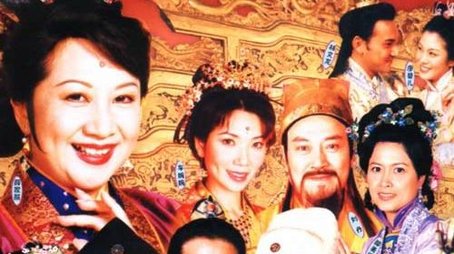
In Season 3 of "Virtues of Harmony," the story picks up with the ongoing dynamics within the Chan family and their interactions with the various characters in their lives. The season opens with a focus on the family's struggles to maintain harmony amidst external pressures and personal conflicts. The Chan family is still reeling from the events of the previous season, and tensions are high as they navigate their relationships.
The first major plot point involves the return of a long-lost relative, which stirs up old family secrets and rivalries. This character, who has a complicated history with the family, brings with them a sense of unease. The family members react differently to this return; some are welcoming, while others are suspicious. This sets the stage for a series of confrontations and revelations that will unfold throughout the season.
As the episodes progress, the focus shifts to the romantic entanglements of the younger characters. One subplot involves a love triangle that develops between two siblings and a close family friend. The emotional stakes are high as feelings are hurt and loyalties are tested. The characters grapple with their desires and the implications of their choices, leading to a pivotal moment where one character must choose between love and family loyalty.
Midway through the season, a significant conflict arises when a business deal threatens the family's livelihood. The patriarch of the family, feeling the pressure, makes a risky decision to invest in a venture that could either save them or lead to their downfall. This decision creates a rift between him and other family members who are concerned about the potential consequences. The tension escalates as they argue over the best course of action, revealing deeper issues of trust and responsibility within the family.
As the season progresses, the characters face various challenges that test their relationships. A series of misunderstandings and miscommunications lead to a dramatic confrontation between two key characters. This scene is charged with emotion, as they express their frustrations and fears, ultimately leading to a moment of vulnerability that brings them closer together. The resolution of this conflict serves as a turning point for their relationship, allowing them to move forward with a renewed sense of understanding.
Towards the end of the season, the family is faced with an external threat that forces them to unite. A rival family, seeking to undermine their business, launches a campaign to discredit them. The Chan family must come together to defend their reputation and their way of life. This culminates in a tense showdown where they confront their rivals, employing both wit and strategy to outmaneuver them. The stakes are high, and the outcome will determine the future of the family.
In the final episodes, the season wraps up with a series of resolutions. The characters reflect on their journeys, and the family dynamics shift as they come to terms with their past and embrace their future. The season ends on a hopeful note, with the family finding a new sense of harmony and purpose, setting the stage for potential new adventures in the next season. The emotional arcs of the characters are brought to a satisfying conclusion, highlighting their growth and the strength of their bonds.








What is the ending?
In the ending of "Virtues of Harmony" Season 3, the various character arcs reach a resolution as they confront their personal struggles and relationships. The family dynamics are tested, leading to reconciliations and new beginnings. The series concludes with a sense of hope and the importance of family bonds.
As the final episodes unfold, the tension within the family escalates. The scene opens in the family home, where the atmosphere is thick with unspoken words. The main characters, including the matriarch, are grappling with the consequences of their past decisions. The eldest son, who has been at odds with his parents, finally confronts them about his feelings of neglect and misunderstanding. His voice trembles with emotion, revealing years of pent-up frustration. The camera captures the pain in his eyes, reflecting a deep desire for acceptance and love.
In the next scene, the youngest daughter, who has been struggling with her identity, finds solace in her older siblings. They gather in the living room, sharing laughter and tears as they reminisce about their childhood. This moment of vulnerability strengthens their bond, showcasing the theme of familial love and support. The warmth of the room contrasts with the earlier tension, symbolizing a turning point in their relationships.
As the climax approaches, the family faces an external conflict that threatens to tear them apart. A business deal involving the family's restaurant is on the verge of collapse due to betrayal from a close associate. The matriarch, determined to protect her family's legacy, rallies her children to confront the situation together. The scene is filled with urgency as they strategize, highlighting their growth and unity. Each character's strengths come to the forefront, showcasing their development throughout the series.
In the penultimate scene, the family confronts the traitor in a tense showdown. Emotions run high as accusations fly, but ultimately, they choose to forgive rather than retaliate. This pivotal moment emphasizes the series' core message about the power of forgiveness and understanding. The camera lingers on the characters' faces, capturing their resolve and the weight of their choices.
The series concludes with a heartwarming family gathering, where they celebrate their triumph over adversity. The eldest son finally expresses his gratitude to his parents, acknowledging their sacrifices. The youngest daughter, now more confident, shares her aspirations, inspiring her siblings. The matriarch looks on with pride, her heart full as she realizes that despite their struggles, they have emerged stronger together.
As the screen fades to black, the audience is left with a sense of closure. Each character has found their place within the family, and the importance of love, resilience, and unity resonates deeply. The final moments serve as a reminder that while challenges may arise, the bonds of family can overcome even the toughest obstacles.
Is there a post-credit scene?
In "Virtues of Harmony" Season 3, there is no post-credit scene. The episodes conclude without any additional scenes after the credits roll. The focus remains on the main storylines and character developments throughout the episodes, wrapping up the narratives without extending into post-credit content. Each episode is designed to provide a complete arc, emphasizing the themes of family, friendship, and moral lessons that are central to the series.
What specific events lead to the climax of Season 3?
The climax of Season 3 is built up through a series of escalating events, including a family crisis that threatens to tear the characters apart. Key moments include a confrontation between Ah Choi and her mother over her future, a misunderstanding between Ah Fai and Ah Choi that leads to a temporary breakup, and Uncle Choi's health scare that brings the family together. These events culminate in a dramatic family gathering where long-standing issues are addressed, leading to emotional revelations and resolutions.
What challenges does the character Ah Choi face in Season 3?
In Season 3, Ah Choi faces numerous challenges, including navigating her complicated relationship with her family and her struggle to assert her independence. She grapples with the expectations placed upon her by her parents, particularly her mother, who wishes for her to conform to traditional values. This internal conflict leads to emotional turmoil as Ah Choi seeks to balance her desires with familial obligations.
How does the relationship between Ah Choi and her love interest develop throughout Season 3?
Throughout Season 3, the relationship between Ah Choi and her love interest, Ah Fai, evolves significantly. Initially, they experience misunderstandings and miscommunications that create tension. However, as they face external challenges together, including family pressures and societal expectations, their bond deepens. Key moments include heartfelt conversations that reveal their vulnerabilities, culminating in a pivotal scene where they confront their feelings for each other.
What role does the character of Uncle Choi play in the dynamics of the family in Season 3?
Uncle Choi serves as a pivotal figure in the family dynamics during Season 3. He acts as a mediator during conflicts, often providing wisdom and guidance to the younger characters. His humorous yet insightful commentary on family matters adds depth to the narrative, and his attempts to keep the peace often lead to both comedic and poignant moments. His character embodies the theme of familial loyalty and the importance of communication.
How does the character of Mei Ling evolve in Season 3?
In Season 3, Mei Ling undergoes significant character development as she confronts her insecurities and strives for personal growth. Initially portrayed as somewhat naive and dependent, she begins to assert herself more, taking on responsibilities within the family business. Her journey is marked by moments of self-discovery, including a subplot where she pursues her passion for cooking, which ultimately helps her gain confidence and a sense of identity.
Is this family friendly?
"Virtues of Harmony" is generally considered a family-friendly show, focusing on themes of family, friendship, and moral values. However, there are a few aspects that might be considered objectionable or upsetting for children or sensitive viewers:
-
Family Conflicts: The show often depicts familial disagreements and conflicts, which may resonate with children who are sensitive to tension within family dynamics.
-
Emotional Struggles: Characters experience emotional turmoil, such as feelings of jealousy, betrayal, or disappointment, which could be intense for younger viewers.
-
Social Issues: Some episodes touch on social issues like peer pressure or bullying, which might be distressing for children who have faced similar situations.
-
Misunderstandings: There are moments of miscommunication and misunderstandings between characters that lead to emotional distress, which could be upsetting for sensitive viewers.
-
Moral Dilemmas: Characters often face moral choices that can lead to feelings of guilt or regret, which may be heavy themes for younger audiences.
Overall, while the show promotes positive values, these elements may require parental guidance for younger viewers.