


Popular
What illness does Jonesy pretend to have in 'The Big Sickie'?
How do the other characters react to Jonesy's fake illness?
What does Nikki do to help Jonesy during his fake illness?
What is the outcome of Jonesy's scheme by the end of the episode?
How does the episode explore the theme of friendship through Jonesy's actions?
Should I watch it?
Ask Your Own Question

What is the plot?
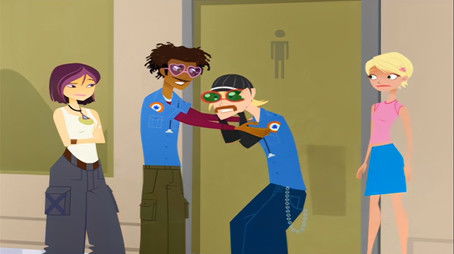
The episode "The Big Sickie" begins with the main characters, a group of teenagers, at the mall. They are excitedly discussing their plans for the day when one of them, Jonesy, starts to feel unwell. He complains about a sore throat and a general feeling of malaise. Despite his discomfort, he tries to maintain a brave face and insists that he can still hang out with his friends.
As the group continues to shop and enjoy their time at the mall, Jonesy's condition worsens. He starts to cough and feels increasingly fatigued. His friends, including Nikki, Caitlin, and Wyatt, notice that he is not his usual energetic self. They express concern for him, but Jonesy brushes it off, wanting to appear tough and not wanting to ruin the fun for everyone.
Eventually, Jonesy decides to take a break and sits down on a bench. While resting, he overhears his friends talking about how they are going to have a great time without him if he continues to feel sick. This makes him feel even worse, as he fears being left out and not being able to participate in the group's activities. He struggles internally with the desire to be part of the fun while also feeling physically unwell.
In a moment of desperation, Jonesy concocts a plan to fake being more sick than he actually is. He believes that if he can convince his friends that he is really ill, they will take care of him and give him the attention he craves. He starts to exaggerate his symptoms, groaning and acting dramatically sick. His friends, initially concerned, begin to buy into his act.
As the day progresses, Jonesy's ruse leads to a series of comedic situations. His friends go out of their way to pamper him, bringing him food and drinks, and even trying to make him comfortable. However, as they do this, they also start to get frustrated with his constant need for attention and the way he is milking his illness for sympathy.
Meanwhile, Caitlin, who is also at the mall, is dealing with her own issues. She is trying to impress a boy she likes, but her attempts are thwarted by Jonesy's antics. She becomes increasingly annoyed with him, feeling that he is stealing the spotlight and ruining her chances with the boy. This adds tension to the group dynamic, as Caitlin's frustration grows.
As the episode continues, Jonesy's friends begin to realize that he is not as sick as he claims to be. They confront him about his behavior, and he is forced to come clean about his deception. This moment is pivotal, as it reveals the internal conflict Jonesy has been facing--his desire for attention versus the importance of honesty in friendships.
In the climax of the episode, Jonesy apologizes to his friends for faking his illness. He admits that he was feeling unwell but exaggerated his symptoms to get their attention. His friends, while initially upset, ultimately forgive him, understanding that he just wanted to feel included. They all share a laugh about the situation, and the tension dissipates.
The episode concludes with the group coming together, reaffirming their friendship. They decide to make the most of their time at the mall, leaving behind the drama of the day. Jonesy learns a valuable lesson about honesty and the importance of being genuine with his friends, while Caitlin manages to catch the attention of the boy she likes, bringing a sense of resolution to her subplot as well.









What is the ending?
In the ending of "The Big Sickie," the main characters, feeling the weight of their decisions, come to terms with their actions. Jen, who faked being sick to avoid a school project, learns the importance of honesty. Meanwhile, her friends rally around her, realizing the value of support and friendship. Ultimately, they all come together, understanding that facing challenges is better than avoiding them.
As the episode draws to a close, the characters reflect on their experiences, and Jen decides to confront her responsibilities rather than hide from them. The group shares a moment of camaraderie, reinforcing their bond as friends.
The episode "The Big Sickie" unfolds with Jen feeling overwhelmed by the pressures of school and the looming project she has to complete. As the story progresses, she concocts a plan to fake being sick, hoping to escape her responsibilities. This decision sets off a chain of events that will test her friendships and her own integrity.
Scene 1: The episode opens with Jen in her room, surrounded by textbooks and notes, her face a mask of stress. She glances at the clock, realizing she has little time left to prepare for the project. The anxiety is palpable as she contemplates her options. The camera zooms in on her face, capturing her internal struggle.
Scene 2: At school, Jen shares her plan with her friends, including Courtney, Wyatt, and Jonesy. They express concern but ultimately support her decision. The group's dynamic is lively, filled with banter, but there's an underlying tension as Jen's choice begins to weigh on her conscience. The bright colors of the school hallways contrast with Jen's growing unease.
Scene 3: As Jen pretends to be sick, her friends rally around her, bringing her homework and trying to cheer her up. However, the more they indulge her deception, the more Jen feels guilty. The scenes are filled with laughter, but Jen's internal conflict is highlighted through her expressions and body language, showing her discomfort with the lie.
Scene 4: The turning point comes when Jen's teacher, Mr. McGibney, visits her at home to check on her. The tension escalates as Jen scrambles to maintain her facade. The scene is filled with comedic elements, but it also serves as a moment of reckoning for Jen. The stakes are raised, and her anxiety peaks as she realizes the consequences of her actions.
Scene 5: After Mr. McGibney leaves, Jen confides in her friends about her guilt. They encourage her to come clean, but she hesitates, torn between her desire to avoid confrontation and her need for honesty. The emotional weight of the moment is heavy, and the camaraderie among the friends is tested.
Scene 6: In a climactic moment, Jen decides to face her fears and return to school. She gathers her friends and admits the truth about her deception. The scene is charged with emotion as her friends react with a mix of disappointment and understanding. Jen's vulnerability shines through, and the group's bond is put to the test.
Scene 7: The episode concludes with Jen and her friends working together on the project, now united by their shared experience. They laugh and support each other, reinforcing the theme of friendship and the importance of facing challenges together. Jen's decision to be honest ultimately strengthens her relationships, and the group leaves the school with a renewed sense of camaraderie.
In the end, Jen learns a valuable lesson about honesty and the importance of facing her responsibilities. Her friends, having supported her through the ordeal, emerge with a deeper understanding of each other. The episode closes on a hopeful note, with the characters looking forward to their next adventure, united and stronger than before.
Is there a post-credit scene?
In the episode "The Big Sickie" of 6teen, there is no post-credit scene. The episode concludes without any additional scenes or content after the credits roll. The focus remains on the main storyline and character interactions throughout the episode, which centers around the characters dealing with the challenges of being sick and the dynamics of their friendships.
What illness does Jonesy pretend to have in 'The Big Sickie'?
Jonesy pretends to have a serious illness, specifically claiming he has a rare disease called 'the big sickie' to gain sympathy and attention from his friends and coworkers.
How do the other characters react to Jonesy's fake illness?
The other characters initially express concern for Jonesy, with some feeling guilty for not being more supportive. However, as they discover the truth, their reactions shift from sympathy to frustration and anger at his deception.
What does Nikki do to help Jonesy during his fake illness?
Nikki, feeling sympathetic towards Jonesy, goes out of her way to take care of him, bringing him food and trying to make him comfortable, believing he is genuinely sick.
What is the outcome of Jonesy's scheme by the end of the episode?
By the end of the episode, Jonesy's scheme backfires as his friends confront him about his lies, leading to a loss of trust and a realization that his need for attention was misguided.
How does the episode explore the theme of friendship through Jonesy's actions?
The episode explores friendship by showcasing how Jonesy's actions strain his relationships with his friends, highlighting the importance of honesty and the consequences of seeking attention at the expense of others.
Is this family friendly?
"The Big Sickie" from the show "6teen" is generally considered family-friendly, but there are a few elements that might be seen as potentially objectionable or upsetting for children or sensitive viewers.
-
Sickness and Illness: The episode revolves around the theme of being sick, which may resonate with children who have experienced illness or seen family members unwell. The portrayal of characters feeling unwell could evoke feelings of discomfort.
-
Manipulation and Deception: One of the characters pretends to be sick to avoid responsibilities, which could lead to discussions about honesty and the consequences of lying.
-
Social Pressure: The episode touches on themes of peer pressure and the desire to fit in, which might be relatable but could also be sensitive for children who struggle with social dynamics.
-
Emotional Reactions: Characters experience a range of emotions, including frustration and disappointment, which may be intense for younger viewers to process.
Overall, while the episode contains light-hearted moments typical of a teen comedy, these themes may require some context or discussion for younger audiences.