














Popular
What motivates William Munny to take on the bounty hunting job?
How does the character of Ned Logan influence William Munny's actions?
What role does the character of Little Bill Daggett play in the story?
How does the film depict the consequences of violence through the character of the Schofield Kid?
What is the significance of the final showdown between William Munny and the cowboys?
Should I watch it?
Ask Your Own Question

What is the plot?
Sorry, we aren't able to watch and write up a full detailed plot yet. Check back in a few days.
More Movies Like This
Browse All Movies →

What is the ending?
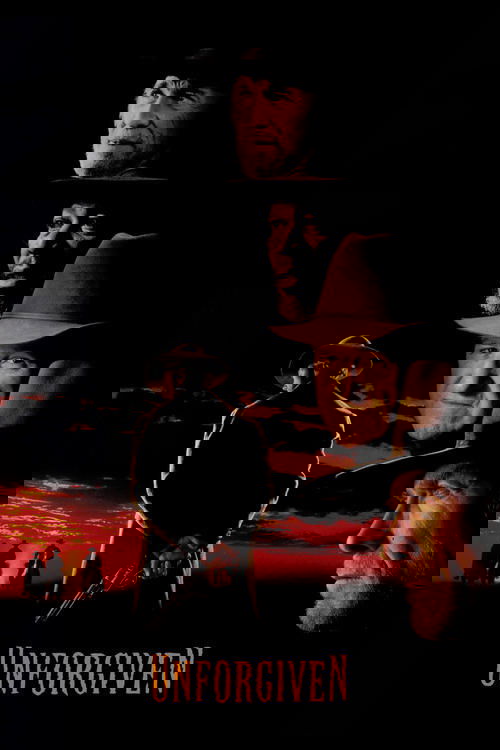
At the end of "Unforgiven," William Munny confronts the remaining members of the gang that had wronged him and his friends. He kills them in a violent showdown, ultimately avenging the death of his friend Ned. Munny then rides off into the night, leaving behind a trail of blood and a legacy of violence.
In a more detailed narrative:
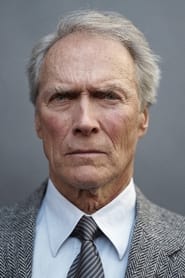
The final act of "Unforgiven" unfolds with William Munny, played by Clint Eastwood, having fully embraced his past as a ruthless killer. After the death of his friend Ned, Munny is driven by a deep sense of loss and a thirst for vengeance. The scene is set in the town of Big Whiskey, where the atmosphere is tense and charged with the aftermath of violence.
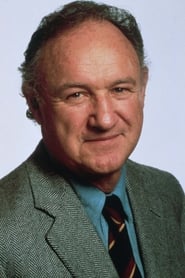
As Munny arrives in Big Whiskey, he is a shadow of the man he once was, yet the fire of his old self flickers back to life. He is joined by the young gunslinger, The Schofield Kid, who is eager to prove himself but is also naive about the true nature of violence. Together, they prepare to confront the men responsible for Ned's death, particularly the ruthless sheriff, Little Bill Daggett, portrayed by Gene Hackman.
The confrontation begins in the saloon, where Munny and the Kid find Little Bill and his men. The tension is palpable as Munny, now clad in dark clothing, stands in stark contrast to the lawmen. The scene is charged with a sense of inevitability; the audience can feel the weight of Munny's past and the violence that is about to unfold.
In a swift and brutal sequence, Munny reveals his lethal skills. He draws his gun with a speed and precision that speaks to his years of experience. The first shot rings out, and Little Bill is caught off guard. Munny's face is a mask of determination, but there is also a flicker of sorrow in his eyes, as he knows that this path leads only to more bloodshed.
As the gunfight escalates, Munny takes down several of Little Bill's men with ruthless efficiency. The Schofield Kid, initially excited by the thrill of the fight, is soon overwhelmed by the reality of death. He witnesses the brutality of the violence they are enacting, and his youthful bravado begins to crumble. Munny, however, is relentless, driven by the memory of Ned and the need to avenge him.
In the climax of the confrontation, Munny finally faces Little Bill. The sheriff, who had previously underestimated Munny, finds himself at the mercy of the very man he sought to control. In a tense moment, Munny delivers a chilling line, reminding Little Bill of the violence he has inflicted on others. With a final shot, Munny kills Little Bill, solidifying his transformation back into the cold-blooded killer he once was.
After the dust settles, Munny stands alone in the saloon, surrounded by the bodies of his enemies. The Schofield Kid, shaken and traumatized, realizes that the reality of killing is far from the romanticized notion he had held. Munny, now fully aware of the monster he has become, walks out into the night, leaving behind the chaos and bloodshed.
As he rides away, the weight of his actions hangs heavy in the air. The film closes with Munny's fate left ambiguous; he is a man who has reclaimed his violent past but at a great cost. The final image of him riding off into the darkness serves as a haunting reminder of the cycle of violence and the toll it takes on the human soul. The legacy of his actions will linger, a testament to the harsh realities of life in the Old West.
Is there a post-credit scene?
The movie "Unforgiven," produced in 1992, does not have a post-credit scene. The film concludes with a powerful and somber ending that leaves a lasting impact on the audience. After the climactic confrontation in the town of Big Whiskey, where William Munny confronts the corrupt sheriff, the film wraps up with Munny reflecting on his past and the life he has led. The final scenes focus on his departure from the town, emphasizing themes of loss, regret, and the haunting nature of violence. The absence of a post-credit scene aligns with the film's serious tone and its exploration of the consequences of a life of violence.
What motivates William Munny to take on the bounty hunting job?
William Munny, played by Clint Eastwood, is initially reluctant to return to his violent past as a gunslinger. However, he is driven by desperation; he is a widowed father struggling to provide for his children and is in dire need of money to support them. The promise of a bounty for killing the men who disfigured a prostitute compels him to take on the job, despite his attempts to leave that life behind.
How does the character of Ned Logan influence William Munny's actions?
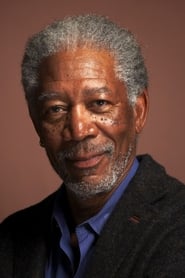
Ned Logan, portrayed by Morgan Freeman, serves as both a friend and a moral compass for William Munny. He encourages Munny to take on the bounty job, believing it will help them both financially. However, as the violence escalates, Ned's internal conflict grows, and he becomes increasingly uncomfortable with the brutality of their actions. His eventual death at the hands of the cowboys serves as a pivotal moment that pushes Munny further into a path of vengeance and violence, ultimately transforming him into the very monster he sought to avoid.
What role does the character of Little Bill Daggett play in the story?
Little Bill Daggett, played by Gene Hackman, is the sheriff of Big Whiskey and represents the law in a corrupt and violent world. He is a brutal enforcer who believes in maintaining order through fear and violence. His treatment of the prostitutes and his ruthless methods create a stark contrast to Munny's internal struggle with his past. Little Bill's arrogance and cruelty culminate in a confrontation with Munny, where his underestimation of Munny's resolve leads to his own downfall, highlighting the theme of retribution.
How does the film depict the consequences of violence through the character of the Schofield Kid?
The Schofield Kid, a young and eager gunslinger, initially romanticizes the idea of killing for bounty. However, as he witnesses the brutal reality of violence during their mission, he becomes increasingly disillusioned. His character arc illustrates the harsh consequences of their actions, as he struggles with guilt and fear after the first killing. This transformation from naive ambition to a sobering understanding of death emphasizes the film's critique of the glorification of violence.
What is the significance of the final showdown between William Munny and the cowboys?
The final showdown between William Munny and the cowboys is a climactic moment that encapsulates Munny's transformation. After losing his friend Ned and being pushed to the brink, Munny unleashes his full fury on the cowboys, showcasing his lethal skills. This scene is significant as it marks Munny's complete embrace of his violent past, contrasting sharply with his earlier reluctance. The cold efficiency with which he dispatches his enemies serves as a powerful commentary on the cycle of violence and the cost of revenge.
Is this family friendly?
"Unforgiven," produced in 1992, is not considered family-friendly due to its mature themes and graphic content. Here are some potentially objectionable or upsetting aspects:
-
Violence: The film contains several scenes of gunfights and brutal violence, including the killing of characters, which may be distressing for children and sensitive viewers.
-
Death and Loss: The emotional weight of loss is a recurring theme, with characters mourning loved ones and grappling with the consequences of violence.
-
Language: There is frequent use of strong language throughout the film, which may not be suitable for younger audiences.
-
Sexual Content: The film includes references to prostitution and the objectification of women, which may be uncomfortable for some viewers.
-
Moral Ambiguity: The characters struggle with complex moral dilemmas, which may be difficult for younger audiences to understand or process.
Overall, the film's exploration of themes such as revenge, redemption, and the harsh realities of life in the Old West may not be appropriate for children or sensitive individuals.








