













Popular
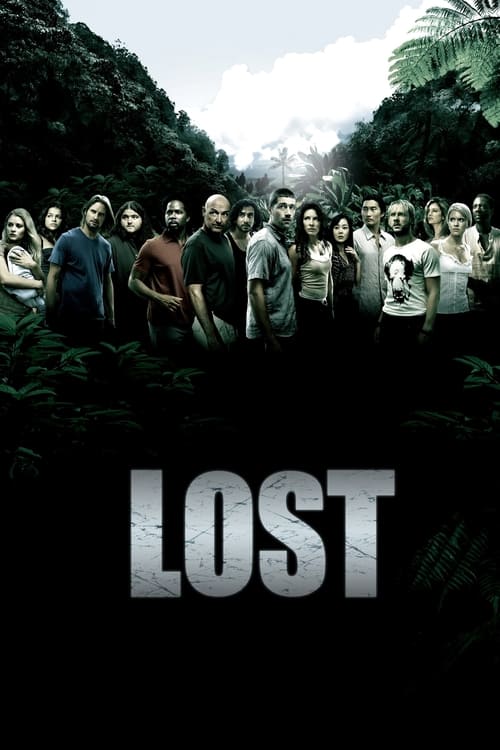
What is the significance of the hatch in Season 2 of Lost?
How does the character of Michael change throughout Season 2?
What role do the Others play in Season 2, and how are they introduced?
What is the significance of the character Ana Lucia in Season 2?
How does the relationship between Sayid and Shannon evolve in Season 2?
Should I watch it?
Ask Your Own Question

What is the plot?
The season opens with a flashback of a woman named Ana Lucia Cortez, a former police officer, who is seen in a bar, drinking heavily and getting into a confrontation with a man. She is later shown in a police station, where she is involved in a tense situation with a suspect. This sets the stage for her character's introduction as a strong but troubled individual.
On the island, the survivors of Oceanic Flight 815 are dealing with the aftermath of the previous season's events. The group is split between those who are in the hatch and those who are outside. The hatch is revealed to be a mysterious underground bunker, and John Locke and Desmond Hume are inside, trying to understand its purpose. Desmond is revealed to have been living in the hatch for three years, pressing a button every 108 minutes to prevent a catastrophic event.
Meanwhile, Jack, Kate, and Sawyer are outside, trying to figure out what to do next. They are unaware of the hatch's significance and are focused on their survival. Tensions rise as they debate whether to trust Locke and Desmond. Jack is determined to find a way to rescue everyone, while Kate and Sawyer are more skeptical about the hatch's importance.
As the story progresses, Ana Lucia and her group of survivors, including Libby and Mr. Eko, encounter the other survivors. Ana Lucia is wary of the newcomers and is determined to protect her group. She is haunted by her past and struggles with her leadership role. The dynamics between the two groups become increasingly tense as they navigate their differences and the threat of the Others, a mysterious group that has been stalking them.
In a pivotal moment, Ana Lucia confronts Jack about the hatch and the need for cooperation. Jack is frustrated with Ana Lucia's lack of trust and tries to convince her that they need to work together to survive. This confrontation highlights the growing divide between the two factions and sets the stage for future conflicts.
Desmond's backstory is explored further through flashbacks, revealing his relationship with Penny Widmore and his struggles with his past. He is shown to be deeply affected by the responsibility of pressing the button and the fear of what might happen if he fails. This internal conflict adds depth to his character and raises questions about the nature of the hatch.
As the season progresses, the survivors face various challenges, including the threat of the Others and the psychological toll of their situation. The tension escalates when Ana Lucia and her group capture Sayid, believing he is a threat. This leads to a confrontation between the two groups, resulting in a standoff that tests their resolve and trust in one another.
In a shocking twist, Ana Lucia is shot by a mysterious figure, later revealed to be Michael, who is desperate to find his son, Walt. This act of violence sends shockwaves through the group and leads to a series of events that further complicate their relationships. Michael's motivations are driven by his love for Walt, but his actions have dire consequences for the group.
The season culminates in a series of dramatic confrontations and revelations. The survivors are forced to confront their pasts and the choices they have made. The introduction of new characters and the deepening of existing relationships create a complex web of alliances and betrayals. The emotional stakes are raised as the characters grapple with their fears and desires, leading to a climactic showdown with the Others.
In the final moments of the season, the survivors are left with more questions than answers. The mysteries of the island continue to unfold, and the characters are left to navigate their uncertain futures. The season ends on a cliffhanger, leaving viewers eager to see what will happen next.








What is the ending?
In the ending of "Lost" Season 2, the survivors of Oceanic Flight 815 face the consequences of their actions as they deal with the mysterious hatch and the looming threat of the Others. The season culminates in a series of intense confrontations, revelations about the island, and the introduction of new characters. The fate of key characters is left uncertain, setting the stage for future conflicts.
As the season progresses, the tension among the survivors escalates. The story begins with the aftermath of the hatch explosion, which was triggered by John Locke and Desmond Hume's actions. The survivors are divided, with some believing in the importance of the hatch and others questioning its purpose.
In the first significant scene, we see the aftermath of the hatch explosion. The survivors gather around the wreckage, their faces a mix of shock and confusion. Locke, who had been so invested in the hatch, is devastated. He feels a profound sense of loss, not just for the hatch but for the hope it represented. Desmond, who had been living in the hatch, emerges from the chaos, disoriented but alive. His presence adds a layer of complexity, as he reveals that he has been pressing the button for years to prevent a catastrophic event.
Meanwhile, the tension between Jack and Locke intensifies. Jack, who is more pragmatic and focused on survival, clashes with Locke's belief in the island's mystical qualities. This conflict is palpable as they argue over the next steps. Jack's determination to find a way off the island contrasts sharply with Locke's faith in the island's purpose.
As the season unfolds, the Others become a more significant threat. The survivors learn that they are not alone on the island, and the Others' presence looms over them like a dark cloud. In a pivotal scene, the Others kidnap Walt, Michael's son, which sends Michael into a desperate search. This moment highlights the lengths to which the characters will go to protect their loved ones, showcasing their emotional vulnerabilities.
In a climactic moment, Michael, driven by desperation, betrays the group. He makes a deal with the Others to return Walt, leading to a tense standoff. The betrayal is a turning point for the group, fracturing their unity and trust. Michael's internal struggle is evident as he grapples with his choices, torn between his love for his son and the moral implications of his actions.
The season concludes with a series of shocking revelations. The survivors are left in a precarious situation, with the Others now aware of their presence and the dynamics among the group forever altered. The final scenes depict the characters grappling with their fates. Jack, Locke, Kate, Sawyer, and the others are left to confront the reality of their situation, each facing their demons and the choices they have made.
In the closing moments, the camera pans over the island, capturing the beauty and danger that surrounds the survivors. The fate of each character remains uncertain, leaving viewers with a sense of anticipation for what lies ahead. Jack's leadership is tested, Locke's faith is shaken, and the bonds between the survivors are strained, setting the stage for the conflicts and challenges that will define their journey in the seasons to come.
Is there a post-credit scene?
In the second season of "Lost," there is no post-credit scene following the episodes. The show typically concludes each episode without any additional scenes after the credits roll. Instead, the focus is on the unfolding narrative and character development throughout the episodes themselves. Each episode often ends with a cliffhanger or a significant moment that propels the story forward, but there are no additional scenes to be found after the credits.
What is the significance of the hatch in Season 2 of Lost?
The hatch, which is discovered by John Locke and Boone Carlyle, becomes a central plot element in Season 2. It is a mysterious structure that the survivors believe may hold answers to their predicament on the island. The hatch is eventually revealed to be a bunker containing a computer and a series of instructions that require the input of a code every 108 minutes to prevent a catastrophic event. This introduces themes of fate, free will, and the burden of responsibility, as characters grapple with the implications of their actions.
How does the character of Michael change throughout Season 2?
Michael Dawson's character undergoes significant transformation in Season 2, driven by his desperate need to find his son, Walt. Initially portrayed as a protective father, his emotional state deteriorates as he becomes increasingly obsessed with rescuing Walt from the Others. This obsession leads him to make morally questionable decisions, including betraying his fellow survivors. His internal conflict and desperation culminate in a heartbreaking moment when he ultimately sacrifices his relationships with the group for the sake of his son.
What role do the Others play in Season 2, and how are they introduced?
The Others are introduced as a mysterious and menacing group of individuals who inhabit the island. Their presence is first hinted at in Season 1, but Season 2 delves deeper into their motivations and actions. They are portrayed as a threat to the survivors, particularly through the abduction of Walt and the manipulation of Michael. The Others' enigmatic nature raises questions about their origins, their connection to the island, and their intentions towards the survivors, creating a sense of paranoia and tension.
What is the significance of the character Ana Lucia in Season 2?
Ana Lucia Cortez is introduced as a new character in Season 2, portrayed as a tough and resourceful former police officer. Her backstory reveals her struggles with trauma and loss, which shape her interactions with the other survivors. Ana Lucia's character serves as a foil to Jack and Locke, embodying a more pragmatic and sometimes ruthless approach to survival. Her complex relationships, particularly with characters like Sayid and Jack, highlight themes of trust, leadership, and the moral dilemmas faced by the group.
How does the relationship between Sayid and Shannon evolve in Season 2?
Sayid Jarrah and Shannon Rutherford's relationship evolves significantly throughout Season 2. Initially marked by tension and misunderstandings, their bond deepens as they navigate the challenges of survival on the island. Sayid's protective instincts and Shannon's vulnerability create a poignant dynamic, leading to moments of intimacy and connection. However, their relationship is also fraught with complications, particularly as external threats emerge and personal insecurities surface, culminating in tragic consequences that impact both characters profoundly.
Is this family friendly?
"Lost" Season 2 contains several elements that may be considered objectionable or upsetting for children or sensitive viewers. Here are some aspects to be aware of:
-
Violence and Threats: There are scenes that depict physical violence, including confrontations between characters that can be intense and unsettling.
-
Death and Injury: The show frequently addresses themes of death, with characters facing life-threatening situations, injuries, and the emotional aftermath of loss.
-
Psychological Tension: The series explores psychological themes, including paranoia, fear, and the effects of isolation, which may be distressing for some viewers.
-
Mature Themes: There are discussions and situations involving addiction, betrayal, and moral dilemmas that may be complex and difficult for younger audiences to understand.
-
Emotional Distress: Characters experience significant emotional turmoil, including grief, despair, and trauma, which can be heavy and impactful.
-
Survival Situations: The harsh realities of survival in a remote and dangerous environment are depicted, including the struggle for food, shelter, and safety.
These elements contribute to a narrative that is often dark and intense, making it more suitable for older teens and adults rather than younger children.