


Popular
What is the significance of the character David Connor in this episode?
How does Patty Hewes manipulate the situation with David Connor?
What role does Ellen Parsons play in the development of the case against the pharmaceutical company?
How does the episode explore the theme of fear through David Connor's character?
What is the impact of the flash-forwards on the storytelling in this episode?
Should I watch it?
Ask Your Own Question

What is the plot?
The episode opens with a flash-forward to a tense moment in the future, where Ellen Parsons is seen in a distressed state, indicating that something significant has happened. The scene shifts back to the present, where Ellen is grappling with the aftermath of her decision to work for Patty Hewes, a powerful and manipulative attorney. Ellen is still adjusting to her new role and the high-stakes environment of the law firm.
Ellen attends a meeting with Patty and the rest of the team, where they discuss the case against the pharmaceutical company, Frobisher Pharmaceuticals. The case revolves around a drug that has caused severe side effects, leading to multiple lawsuits. Patty is determined to win the case and is focused on gathering evidence to build a strong argument against Frobisher. Ellen feels the pressure of the case and is eager to prove herself, but she is also haunted by her own fears and insecurities.
Meanwhile, the episode introduces a subplot involving Tom Shayes, Patty's right-hand man. Tom is dealing with his own personal issues, including a strained relationship with his wife. He is shown to be loyal to Patty but is also beginning to question the ethical implications of their work. His internal conflict adds depth to the narrative, as he navigates the demands of his job and his personal life.
As the episode progresses, Ellen is tasked with interviewing a key witness, a woman who has suffered from the drug's side effects. The woman is emotionally distraught and shares her harrowing experience, which deeply affects Ellen. This encounter forces Ellen to confront her own fears about death and the impact of their work on real people's lives. The emotional weight of the case begins to take a toll on her, and she struggles to maintain her composure.
In a pivotal scene, Patty and Ellen have a confrontation about the case. Patty pushes Ellen to be more aggressive and ruthless in her approach, emphasizing the importance of winning at all costs. Ellen feels conflicted, torn between her desire to succeed and her moral compass. This moment highlights the power dynamics between Patty and Ellen, showcasing Patty's manipulative nature and Ellen's vulnerability.
The episode also delves into the backstory of Frobisher, the CEO of the pharmaceutical company. Through flashbacks, viewers learn about his rise to power and the lengths he has gone to protect his company. Frobisher is portrayed as a complex character, driven by ambition but also haunted by the consequences of his actions. This adds layers to the narrative, as the audience begins to understand the stakes involved in the case.
As the investigation unfolds, Ellen uncovers crucial evidence that could potentially turn the case in their favor. However, she faces obstacles from both Frobisher's legal team and her own insecurities. The tension escalates as Patty becomes increasingly demanding, pushing Ellen to take risks that make her uncomfortable. Ellen's internal struggle intensifies as she grapples with the moral implications of their tactics.
In a climactic moment, Ellen confronts Patty about her methods, expressing her fears about the ethical boundaries they are crossing. Patty, however, remains steadfast in her belief that winning is the only thing that matters. This confrontation serves as a turning point for Ellen, as she begins to realize the true nature of the world she has entered.
The episode concludes with a sense of foreboding, as Ellen's fears about death and the consequences of their actions loom large. The flash-forward at the beginning of the episode reappears, hinting at a tragic outcome that is yet to unfold. The emotional stakes are high, and the tension between the characters sets the stage for future conflicts as the case progresses.









What is the ending?
In the ending of "And My Paralyzing Fear of Death," Ellen Parsons confronts the reality of her situation as she grapples with the manipulative nature of her boss, Patty Hewes. The episode culminates in a tense moment where Ellen realizes the extent of Patty's control over her life and the dangerous game they are playing. Meanwhile, the subplot involving the case against the pharmaceutical company intensifies, revealing the moral complexities of the legal battle. The episode closes with a sense of foreboding, as Ellen's fear of death and betrayal looms large, setting the stage for the ongoing conflict between her and Patty.
As the episode unfolds, we begin with Ellen Parsons, who is still reeling from the traumatic events surrounding her life and the case she is involved in. The episode opens with a flashback to Ellen's childhood, where she is confronted with her fear of death, a theme that will resonate throughout the episode. This fear is not just a passing thought; it is a paralyzing force that shapes her decisions and interactions.
In the present day, Ellen is working closely with Patty Hewes, her formidable boss, who is known for her ruthless tactics in the legal world. As they prepare for the case against the pharmaceutical company, Ellen's anxiety grows. She is haunted by the memories of her past and the implications of the case they are pursuing. Patty, on the other hand, is focused and determined, showcasing her unwavering commitment to winning at all costs.
The tension escalates when Ellen learns more about the unethical practices of the pharmaceutical company they are suing. She becomes increasingly aware of the moral implications of their fight, which adds to her internal conflict. Ellen's fear of death is mirrored in her fear of losing herself in the cutthroat world of law that Patty embodies.
As the episode progresses, we see Ellen's relationships with those around her begin to fray. Her boyfriend, who is concerned about her well-being, tries to reach out to her, but Ellen is consumed by her work and the pressure from Patty. This strain highlights Ellen's isolation and the sacrifices she is making in pursuit of success and justice.
In a pivotal scene, Ellen confronts Patty about her manipulative behavior. This confrontation is charged with emotion, as Ellen expresses her frustration and fear. Patty, however, remains unyielding, revealing her own vulnerabilities while simultaneously asserting her dominance. This power struggle encapsulates the central conflict of the series: the battle between ambition and morality.
The episode reaches its climax when Ellen is faced with a critical decision regarding the case. She must choose between following Patty's ruthless strategy or adhering to her own moral compass. This moment is fraught with tension, as Ellen's fear of death intertwines with her fear of losing herself in the process. Ultimately, she decides to stand her ground, signaling a turning point in her character development.
As the episode concludes, the stakes are higher than ever. Ellen's fear of death is not just a personal struggle; it becomes a metaphor for the risks she is willing to take in her career. Patty, on the other hand, remains a formidable force, embodying the darker side of ambition. The episode ends on a note of uncertainty, leaving viewers questioning the fates of both women as they navigate the treacherous waters of their professional and personal lives.
In summary, the ending of "And My Paralyzing Fear of Death" encapsulates the intense emotional and moral dilemmas faced by Ellen and Patty. Ellen's journey is marked by her struggle against her fears and the manipulative influence of Patty, while Patty's character remains a complex embodiment of ambition and power. The episode closes with a sense of foreboding, setting the stage for the ongoing conflict that will define their relationship in the episodes to come.
Is there a post-credit scene?
In the episode "And My Paralyzing Fear of Death" from Season 1 of Damages, there is no post-credit scene. The episode concludes without any additional content after the credits roll. The focus remains on the intense narrative and character developments throughout the episode, particularly highlighting the psychological struggles of the characters involved in the legal battle.
What is the significance of the character David Connor in this episode?
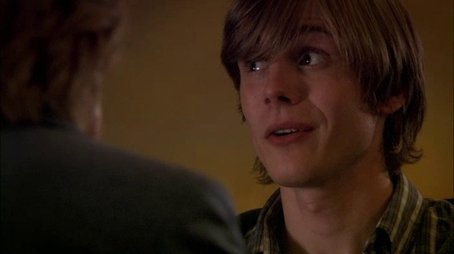
David Connor is a pivotal character in this episode as he is the key witness in the case against the pharmaceutical company. His emotional turmoil and fear of death are explored deeply, showcasing his vulnerability and the stakes involved in the legal battle.
How does Patty Hewes manipulate the situation with David Connor?
Patty Hewes uses psychological tactics to manipulate David Connor, playing on his fears and insecurities. She understands his paralyzing fear of death and uses it to her advantage, pushing him to testify in a way that serves her interests.
What role does Ellen Parsons play in the development of the case against the pharmaceutical company?
Ellen Parsons is portrayed as a dedicated and ambitious young lawyer who is increasingly drawn into the complexities of the case. Her interactions with Patty and David reveal her internal conflict and growing realization of the moral ambiguities in the legal world.
How does the episode explore the theme of fear through David Connor's character?
David Connor's character embodies the theme of fear, particularly his fear of death, which is exacerbated by his experiences with the pharmaceutical company. His struggle with this fear drives the narrative, influencing his decisions and interactions with Patty and Ellen.
What is the impact of the flash-forwards on the storytelling in this episode?
The flash-forwards in this episode create a sense of tension and suspense, hinting at the dire consequences of the legal battle. They serve to juxtapose the present struggles of the characters with the potential outcomes of their actions, heightening the emotional stakes.
Is this family friendly?
"Damages," particularly in Season 1, Episode 3 titled "And My Paralyzing Fear of Death," is not considered family-friendly. The episode contains several potentially objectionable or upsetting elements, including:
-
Themes of Death and Mortality: The episode explores deep fears surrounding death, which may be unsettling for children or sensitive viewers.
-
Intense Emotional Scenes: Characters experience significant emotional turmoil, including anxiety and fear, which can be distressing.
-
Legal and Ethical Dilemmas: The plot involves complex legal issues and moral ambiguity that may be difficult for younger audiences to understand.
-
Violence and Threats: There are scenes that imply violence or threats, contributing to a tense atmosphere.
-
Adult Language and Situations: The dialogue includes strong language and adult situations that are not suitable for children.
These elements combine to create a narrative that is more appropriate for mature audiences.