


























Popular
What motivates Sam Lowry to pursue Jill Layton throughout the film?
How does the character of Mr. Kurtzman influence Sam's journey?
What role does the character of Jack Lint play in the story?
What is the significance of the character of Harry Tuttle?
How does the character of Jill Layton challenge the societal norms in Brazil?
Should I watch it?
Ask Your Own Question

What is the plot?
Sorry, we aren't able to watch and write up a full detailed plot yet. Check back in a few days.






What is the ending?
In the ending of "Brazil," Sam Lowry is captured by the authorities after a series of events that lead to his disillusionment with the bureaucratic society. He is tortured and ultimately succumbs to a fantasy of escape, where he envisions himself free and happy. However, the reality is grim, as he is trapped in a system that has consumed him.
As the film approaches its climax, Sam Lowry, played by Jonathan Pryce, finds himself increasingly entangled in the oppressive machinery of the state. After a series of misadventures, including his attempts to rescue the woman of his dreams, Jill Layton, he is ultimately betrayed by the very system he sought to escape.
In a pivotal scene, Sam is taken into custody by the government agents, led by the menacing Mr. Helpmann. The atmosphere is thick with tension as he is dragged through the sterile, cold corridors of the Ministry of Information. The stark lighting and the mechanical sounds of the bureaucratic machine create a sense of dread. Sam's internal struggle is palpable; he is a man who once dreamed of heroism and freedom, now reduced to a mere cog in the oppressive system.
As he is tortured, the film shifts between harsh reality and Sam's vivid fantasies. In his mind, he imagines a world where he is a heroic figure, soaring through the skies to rescue Jill. These daydreams are filled with vibrant colors and a sense of liberation, contrasting sharply with the bleakness of his actual situation. The audience witnesses Sam's desperation as he clings to these fantasies, a reflection of his desire to escape the suffocating bureaucracy that has ensnared him.
In the final moments, Sam is strapped to a chair, his mind breaking under the weight of the torture. The camera zooms in on his face, capturing the flicker of hope and despair as he envisions a life free from the chains of the system. He imagines himself and Jill together, laughing and free, but this is abruptly shattered as the reality of his situation crashes back in.
The film concludes with a haunting image: Sam, now a broken man, is left in a state of catatonia, his mind lost in the fantasy of escape. The screen fades to black, leaving the audience with the chilling realization that Sam has been consumed by the very system he sought to defy.
Jill Layton, who had been a beacon of hope for Sam, is left to her own fate, having been captured earlier in the film. The fate of other characters, such as Mr. Helpmann and the bureaucratic figures, remains entrenched in the system, continuing their roles in the oppressive society. The ending serves as a stark reminder of the futility of resistance against an all-encompassing bureaucracy, leaving viewers with a sense of unease and reflection on the nature of freedom and individuality.
Is there a post-credit scene?
The movie "Brazil," directed by Terry Gilliam and released in 1985, does not have a post-credit scene. The film concludes with a surreal and haunting ending that leaves viewers with a sense of ambiguity and reflection on the themes of bureaucracy, freedom, and the nature of reality. After the climactic events, the final moments depict the protagonist, Sam Lowry, trapped in a dreamlike state, suggesting a bleak resolution to his struggles against the oppressive system. The credits roll without any additional scenes or content following them.
What motivates Sam Lowry to pursue Jill Layton throughout the film?
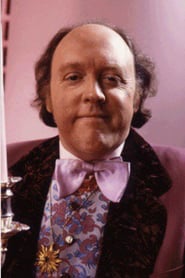
Sam Lowry, played by Jonathan Pryce, is a low-level bureaucrat in a dystopian society. His motivation to pursue Jill Layton stems from a deep yearning for connection and escape from the oppressive, monotonous life dictated by the government. He is captivated by her beauty and spirit, which starkly contrast with the bleakness of his reality. His dreams of heroism and romance drive him to take risks, leading him to defy the bureaucratic system that confines him.
How does the character of Mr. Kurtzman influence Sam's journey?
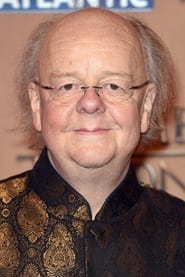
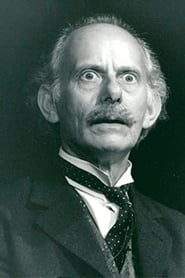
Mr. Kurtzman, portrayed by Ian Holm, is Sam's boss and represents the cold, bureaucratic machine that governs their society. He embodies the oppressive nature of the system, often dismissing Sam's aspirations and dreams. Kurtzman's influence is significant as he embodies the obstacles Sam faces; his condescending attitude and focus on compliance serve to highlight Sam's internal struggle between conformity and the desire for freedom.
What role does the character of Jack Lint play in the story?
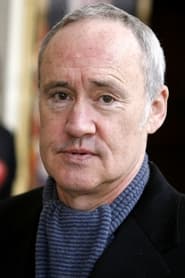
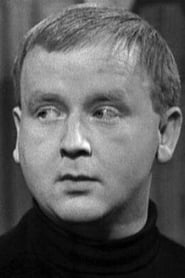
Jack Lint, played by Michael Palin, is a close friend of Sam Lowry and a high-ranking official in the Ministry of Information. He represents the moral decay of society, as he is involved in the torture and interrogation of suspected terrorists. Jack's character serves as a foil to Sam; while Sam seeks to break free from the system, Jack is deeply entrenched in it, showcasing the varying responses to the oppressive regime. His interactions with Sam reveal the complexities of friendship in a corrupt world.
What is the significance of the character of Harry Tuttle?
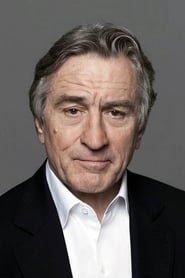
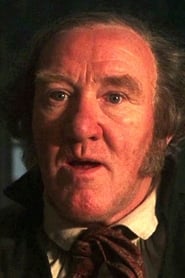
Harry Tuttle, played by Robert De Niro, is a rogue heating engineer who embodies rebellion against the bureaucratic system. His character is significant as he represents the underground resistance to the oppressive government. Tuttle's carefree attitude and willingness to break the rules inspire Sam to reconsider his own life choices. Their encounters highlight the contrast between Tuttle's freedom and Sam's entrapment, ultimately pushing Sam towards a path of defiance.
How does the character of Jill Layton challenge the societal norms in Brazil?
Jill Layton, portrayed by Kim Greist, is a strong-willed woman who challenges the oppressive societal norms of the dystopian world. Her character is significant as she embodies individuality and resistance against the dehumanizing bureaucracy. Jill's determination to fight against the system, particularly when she becomes a target of the authorities, inspires Sam to take action. Her presence in Sam's life ignites his desire for change and serves as a catalyst for his rebellion against the status quo.
Is this family friendly?
The movie "Brazil," directed by Terry Gilliam, is not considered family-friendly and contains several potentially objectionable or upsetting scenes and aspects that may be distressing for children or sensitive viewers. Here are some of those elements:
-
Dystopian Themes: The film presents a bleak, oppressive society characterized by bureaucratic absurdity and totalitarian control, which may be unsettling for younger audiences.
-
Violence: There are scenes depicting violence, including a brutal interrogation and the aftermath of a terrorist attack, which can be graphic and disturbing.
-
Dark Humor: The film employs a surreal and dark sense of humor that may be confusing or inappropriate for children, as it often juxtaposes comedic elements with serious themes.
-
Psychological Distress: The protagonist, Sam Lowry, experiences significant anxiety and paranoia throughout the film, which may resonate negatively with sensitive viewers.
-
Surreal Imagery: The film features bizarre and nightmarish visuals that can be disorienting and frightening, including scenes of surreal torture and chaotic bureaucratic processes.
-
Adult Themes: There are references to adult relationships and sexuality that are presented in a way that may not be suitable for younger audiences.
-
Cynical Tone: The overall tone of the film is cynical and bleak, which may be emotionally heavy for viewers looking for lighter content.
These elements contribute to the film's reputation as a challenging and thought-provoking work, but they also make it unsuitable for children or those who are sensitive to such themes.









