
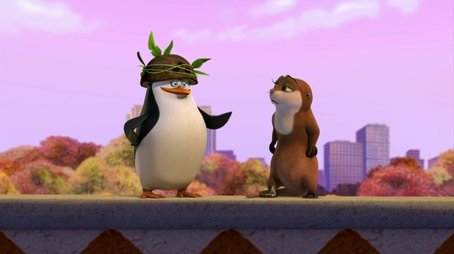


Popular
What task do the penguins receive that leads to chaos in the zoo?
How does Skipper react to the work order and the ensuing chaos?
What role does Kowalski play in the penguins' approach to the work order?
How do Rico's unique skills contribute to the events of the episode?
What is Private's emotional state throughout the episode regarding the work order?
Should I watch it?
Ask Your Own Question

What is the plot?
The episode "Work Order" begins with the penguins--Skipper, Kowalski, Rico, and Private--gathered in their headquarters, where they are discussing their daily tasks. Skipper is particularly focused on maintaining order and efficiency within their operations. He assigns each penguin a specific job to ensure everything runs smoothly. Skipper's authoritative demeanor sets the tone for the day, emphasizing the importance of teamwork and discipline.
As the penguins disperse to carry out their tasks, Kowalski is seen working on a new invention, a "Penguin Work Order" system, which he believes will streamline their operations even further. He is excited about the potential of this system to enhance productivity. However, Skipper is skeptical and prefers to stick to their traditional methods. This disagreement highlights the tension between Kowalski's innovative ideas and Skipper's adherence to established routines.
Meanwhile, Private is tasked with cleaning the penguins' living area. He approaches the job with enthusiasm, wanting to impress Skipper. However, as he cleans, he accidentally knocks over a box containing important supplies. This mishap leads to a series of comedic events, as Private tries to fix the situation while avoiding Skipper's wrath. His internal struggle between wanting to do well and the fear of disappointing Skipper creates a sense of urgency.
Rico, on the other hand, is assigned to handle the more dangerous tasks, which he approaches with his usual reckless abandon. He is seen using his explosive skills to clear out a cluttered area, but his methods are chaotic and lead to unintended consequences. The chaos he creates serves as a contrast to Kowalski's more methodical approach, further emphasizing the differing styles of the penguins.
As the day progresses, Kowalski's Work Order system begins to malfunction. The penguins find themselves overwhelmed with tasks that are piling up due to the system's errors. Skipper's frustration grows as he tries to maintain control over the situation. The tension escalates when the penguins realize that they are falling behind on their responsibilities, leading to a chaotic environment in their headquarters.
In a pivotal moment, Skipper decides to take matters into his own flippers. He gathers the team and insists that they abandon the Work Order system in favor of their original methods. This decision is met with mixed reactions, as Kowalski feels disheartened by the rejection of his invention. However, Skipper reassures him that teamwork and their established routines are what truly matter.
The penguins then regroup and begin to tackle their tasks without the Work Order system. They communicate more effectively, relying on each other's strengths to get the job done. This collaborative effort leads to a series of successful outcomes, showcasing their ability to work together despite the earlier chaos.
As the episode nears its conclusion, the penguins reflect on their day. They realize that while innovation is important, their bond as a team and their ability to adapt to challenges is what ultimately leads to their success. Skipper acknowledges Kowalski's efforts, and the team shares a moment of camaraderie, reinforcing their friendship and teamwork.
The episode wraps up with the penguins enjoying a well-deserved break after a long day of work. They celebrate their accomplishments, and the atmosphere is filled with laughter and relief. The final scene highlights the importance of their unity, leaving the audience with a sense of satisfaction as the penguins relax together, ready to face whatever challenges come next.








What is the ending?
In the ending of "Work Order," the penguins successfully complete their mission to fix the zoo's broken equipment, but they face a series of mishaps along the way. Ultimately, they manage to restore order, but not without some chaos. The episode concludes with the penguins reflecting on their teamwork and the importance of their roles, even if things didn't go as planned.
As the episode nears its conclusion, the scene opens with the penguins--Skipper, Kowalski, Rico, and Private--gathered in their headquarters, surrounded by various tools and equipment. They are tasked with repairing the zoo's malfunctioning attractions, which have caused chaos among the animals and visitors. Skipper, ever the leader, emphasizes the importance of teamwork and efficiency, rallying his team with a motivational speech. The penguins are determined to prove their worth and restore order to the zoo.
The first scene of their mission takes them to the carousel, which is spinning wildly out of control. Kowalski quickly assesses the situation, using his scientific knowledge to devise a plan. Rico, with his penchant for explosives, is eager to jump in and fix things, but Skipper holds him back, insisting they need a more strategic approach. Private, the youngest and most innocent of the group, expresses concern about the safety of the zoo's visitors, showcasing his caring nature.
As they work together, the penguins encounter a series of comedic mishaps. Rico accidentally sets off a chain reaction of events that leads to the zoo's fountain overflowing, creating a slippery mess. The scene is filled with slapstick humor as the penguins struggle to maintain their balance while trying to fix the fountain. Despite the chaos, they manage to keep their spirits high, showcasing their camaraderie and resilience.
Next, they move on to the zoo's roller coaster, which has come to a halt. Kowalski devises a plan to get it moving again, but it requires precise timing and coordination. The penguins work in unison, each playing their part--Skipper directing, Kowalski calculating, Rico preparing to launch, and Private keeping an eye on the safety of the riders. The tension builds as they execute their plan, and just when it seems they might succeed, a miscalculation leads to another comedic disaster, sending the roller coaster careening off its tracks.
As the episode progresses, the penguins face their biggest challenge yet: the zoo's main gate, which has become stuck. This scene is pivotal, as it tests their teamwork and resolve. Skipper encourages his team, reminding them of their strengths and the importance of working together. They push against the gate with all their might, and in a moment of unity, they manage to free it, allowing the zoo to return to normal.
In the final moments of the episode, the penguins stand together, covered in dirt and water, but with smiles on their faces. They reflect on the day's events, acknowledging that while things didn't go as planned, they learned the value of teamwork and perseverance. Each character has grown through the experience--Skipper has reinforced his leadership skills, Kowalski has applied his intellect, Rico has channeled his energy into constructive work, and Private has shown his compassion and concern for others.
The episode concludes with the penguins returning to their headquarters, exhausted but satisfied. They share a moment of camaraderie, celebrating their successes and laughing off the mishaps. The screen fades to black, leaving the audience with a sense of closure and the understanding that, despite the chaos, the penguins are a strong team capable of overcoming any obstacle together.
Is there a post-credit scene?
In the episode "Work Order" from season 2 of The Penguins of Madagascar, there is indeed a post-credit scene. After the main storyline concludes, the scene shifts to the penguins' habitat. The penguins are seen relaxing after their chaotic day of managing the zoo's work orders.
As they unwind, Skipper, the leader, is seen lounging with a satisfied grin, reflecting on their successful completion of the tasks. However, the tranquility is short-lived. Suddenly, a loud crash is heard, and the camera quickly pans to reveal Rico, who has accidentally knocked over a stack of crates while trying to organize the supplies. The crates tumble down, creating a mess and startling the other penguins.
The scene captures the essence of the penguins' dynamic, showcasing their camaraderie and the humorous chaos that often ensues in their lives. The post-credit moment serves as a light-hearted reminder of their ongoing adventures and the unpredictable nature of their teamwork. The penguins share a collective sigh, and Skipper, with a mix of exasperation and amusement, mutters, "Back to work, team!" as they prepare to tackle yet another unexpected challenge.
What task do the penguins receive that leads to chaos in the zoo?
The penguins receive a work order from the zoo management that requires them to clean up the zoo. However, their interpretation of the task leads to a series of comedic mishaps and misunderstandings.
How does Skipper react to the work order and the ensuing chaos?
Skipper initially takes the work order very seriously, believing it to be a mission that requires strict adherence to protocol. As chaos ensues, his frustration grows, leading to humorous moments as he tries to maintain order among his team.
What role does Kowalski play in the penguins' approach to the work order?
Kowalski uses his intelligence and analytical skills to devise a plan for completing the work order efficiently. However, his plans often go awry due to the unpredictable nature of the other penguins and the situations they encounter.
How do Rico's unique skills contribute to the events of the episode?
Rico's ability to produce various gadgets and tools from his body becomes crucial as the penguins face unexpected challenges while trying to complete the work order. His unpredictable nature adds to the chaos, often leading to unintended consequences.
What is Private's emotional state throughout the episode regarding the work order?
Private feels a mix of excitement and anxiety about the work order. He wants to impress Skipper and contribute positively, but he also worries about the potential for things to go wrong, reflecting his desire to be a valuable member of the team.
Is this family friendly?
The episode "Work Order" from The Penguins of Madagascar is generally family-friendly, but there are a few elements that might be considered potentially objectionable or upsetting for children or sensitive viewers:
-
Workplace Stress: The episode explores themes of work-related stress and pressure, which may resonate with older children or adults but could be confusing or concerning for younger viewers.
-
Conflict and Rivalry: There are moments of conflict between characters, including misunderstandings and competitive behavior, which might lead to feelings of tension or anxiety.
-
Physical Comedy: The episode features slapstick humor, including physical mishaps and accidents that could be perceived as mildly violent, though they are presented in a comedic context.
-
Emotional Frustration: Characters experience frustration and disappointment, which may evoke empathy but could also be upsetting for sensitive viewers.
Overall, while the episode contains humorous and lighthearted moments typical of the series, these themes may require some parental guidance for younger audiences.