
































Popular
Should I watch it?
Ask Your Own Question

What is the plot?
Sorry, we aren't able to watch and write up a full detailed plot yet. Check back in a few days.









What is the ending?
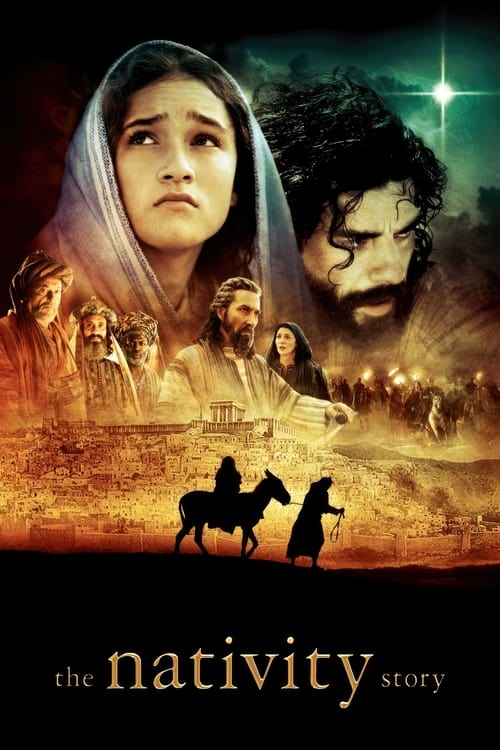
In the ending of The Nativity Story, Mary and Joseph arrive in Bethlehem, where Mary gives birth to Jesus in a stable. They are visited by shepherds who have been told of the birth by angels. The film concludes with the Holy Family finding peace and hope in their new life together.
As the story approaches its conclusion, we see Mary and Joseph making their way to Bethlehem. The journey is fraught with tension and uncertainty, as they navigate the challenges of travel while Mary is heavily pregnant. The couple arrives in Bethlehem, but they are met with a lack of accommodations. The town is bustling with people due to the census, and every inn is full. Joseph, feeling desperate, searches for a place for Mary to give birth, but he is met with rejection and indifference.
Finally, a kind innkeeper offers them shelter in a stable, a humble and modest setting. The scene is dimly lit, filled with the sounds of animals, and it is here that Mary goes into labor. The atmosphere is heavy with anticipation and emotion as Joseph supports Mary through the birthing process. The pain and struggle of childbirth are palpable, but there is also a sense of divine purpose in the air.
As Mary gives birth, the camera captures the intimate moment between the couple, highlighting their love and commitment to each other and their child. Mary cradles the newborn Jesus, and the moment is filled with a profound sense of peace and joy. The stable, though simple, becomes a sacred space, illuminated by the presence of the Holy Child.
Soon after, shepherds arrive, having been guided by angels who announced the birth of the Savior. They enter the stable with awe and reverence, bringing with them a sense of wonder and humility. The shepherds share their experience of the angelic message, and they kneel before the baby Jesus, recognizing the significance of this moment. Their presence emphasizes the theme of humility and the idea that the birth of Jesus is a gift for all, especially the marginalized and the poor.
As the scene unfolds, we see Mary and Joseph exchanging glances filled with love and gratitude. They understand the weight of their responsibility as parents to the Son of God. The film captures their emotional journey, showcasing their fears, hopes, and the deep bond they share as they embrace their new role.
The ending of The Nativity Story encapsulates the essence of the Christmas story: the birth of Jesus brings hope, joy, and a promise of salvation. The film concludes with a sense of tranquility as the Holy Family settles into their new life, surrounded by the warmth of love and the presence of those who recognize the miracle that has just occurred. Mary and Joseph, now parents, look forward to the future with a mix of trepidation and faith, knowing that their lives have been forever changed by the arrival of their son.
Is there a post-credit scene?
The Nativity Story, produced in 2006, does not have a post-credit scene. The film concludes with the birth of Jesus and the arrival of the Magi, focusing on the significance of this moment in the context of the Nativity. The story wraps up with a sense of hope and fulfillment, leaving the audience with the emotional weight of the events that have transpired without any additional scenes after the credits.
What challenges does Mary face during her pregnancy?
Mary faces numerous challenges during her pregnancy, including societal judgment and fear of rejection. As a young woman betrothed to Joseph, she must navigate the stigma of being pregnant out of wedlock. Her emotional turmoil is palpable as she grapples with her faith and the divine message she received from the angel Gabriel, which foretold the miraculous nature of her child.
How does Joseph react to Mary's pregnancy?
Initially, Joseph is devastated and feels betrayed upon learning of Mary's pregnancy. He struggles with his emotions, torn between his love for her and the societal implications of her situation. His internal conflict is evident as he contemplates quietly divorcing her to spare her shame, but ultimately, he receives a divine message in a dream that reassures him of Mary's purity and the significance of their child.
What role do the shepherds play in the story?
The shepherds play a crucial role in the Nativity story as the first to receive the news of Jesus' birth. After the angel appears to them, they are filled with awe and excitement. Their journey to Bethlehem is marked by a sense of wonder and urgency, and upon finding Mary, Joseph, and the newborn Jesus, they share the angel's message, spreading joy and hope.
How does the journey to Bethlehem affect Mary and Joseph?
The journey to Bethlehem is physically taxing for Mary and Joseph, especially as Mary is heavily pregnant. The long trek on foot, coupled with the harsh conditions and the uncertainty of finding shelter, heightens their anxiety. Joseph's determination to protect and support Mary is evident, while Mary displays a mix of faith and vulnerability, relying on Joseph's strength as they face the challenges together.
What significance does the star hold in the story?
The star holds great significance as it guides the Magi to the birthplace of Jesus. Its bright and unusual appearance symbolizes hope and divine guidance. The Magi, upon seeing the star, interpret it as a sign of the birth of a king, prompting their long journey to present gifts. The star serves as a celestial beacon, connecting the earthly realm with the divine and emphasizing the importance of Jesus' birth.
Is this family friendly?
The Nativity Story (2006) is generally considered family-friendly, but there are a few scenes that may be potentially objectionable or upsetting for children or sensitive viewers. Here are some aspects to consider:
-
Violence and Threats: There are scenes depicting the harsh realities of life in ancient times, including threats of violence against characters, particularly related to King Herod's decree.
-
Emotional Distress: Characters experience significant emotional turmoil, including fear, anxiety, and sorrow, particularly surrounding the circumstances of Mary and Joseph's journey and the challenges they face.
-
Pregnancy and Birth: The film includes scenes of Mary's pregnancy and the birth of Jesus, which may be intense for younger viewers, though they are handled with care and reverence.
-
Historical Context: The portrayal of societal norms and the struggles of the time may be difficult for some viewers to process, especially regarding the treatment of women and the implications of poverty.
-
Death: There are references to death and the loss of life, particularly in the context of Herod's actions, which may be distressing.
Overall, while the film conveys a significant and uplifting story, these elements may require parental guidance for younger audiences.