

























Popular
What role does Eugene Sledge play in the narrative of The Pacific?
How does the relationship between Robert Leckie and Vera change throughout the series?
What is the significance of the character of Sergeant John Basilone in The Pacific?
How does the series depict the psychological effects of war on the characters?
What events lead to the bond between the Marines in The Pacific?
Should I watch it?
Ask Your Own Question

What is the plot?
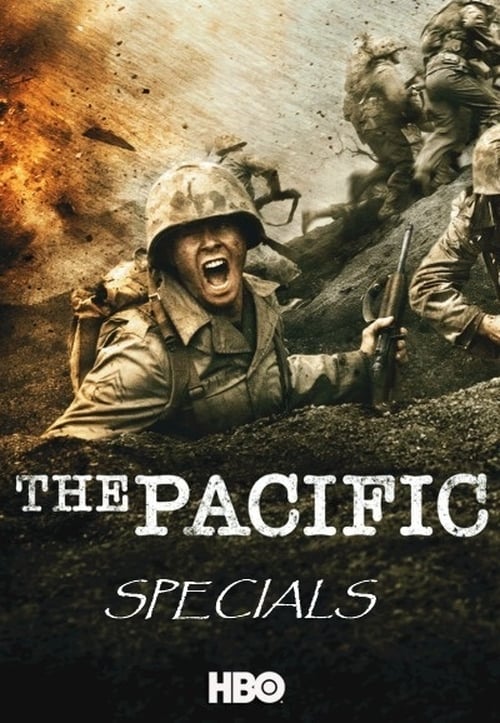
The Pacific: Specials begins with a retrospective look at the experiences of the Marines during World War II, focusing on the personal stories of the soldiers who fought in the Pacific Theater. The series features interviews with the real-life veterans whose experiences inspired the characters in the main series.
The first segment introduces the audience to the harsh realities of war through the eyes of the veterans. They recount their initial training and the camaraderie that developed among them. The physical and emotional toll of boot camp is highlighted, showcasing the grueling drills and the pressure to bond as a unit. The veterans express their feelings of fear and uncertainty as they prepare to be deployed, revealing their motivations for enlisting, which range from patriotism to a desire for adventure.
As the narrative progresses, the focus shifts to the battles fought in the Pacific, particularly the brutal confrontations on islands like Guadalcanal and Iwo Jima. The veterans share vivid memories of the chaos of battle, the sounds of gunfire, and the sight of fallen comrades. They describe the strategies employed during these engagements, detailing the challenges of fighting in dense jungles and the psychological strain of constant combat. The emotional weight of losing friends is palpable, as they reflect on the bonds formed in the face of adversity.
The series also delves into the personal stories of specific Marines, such as Eugene Sledge and Robert Leckie. Their experiences are recounted through a mix of archival footage and personal anecdotes. Sledge's transformation from a naive recruit to a hardened soldier is explored, emphasizing the impact of witnessing death and destruction on his psyche. Leckie's journey is similarly chronicled, highlighting his struggles with the realities of war and the longing for home.
In a poignant segment, the veterans discuss the aftermath of the war and the challenges they faced upon returning home. They reflect on the difficulty of reintegrating into civilian life, the lingering effects of PTSD, and the sense of isolation that many felt. The emotional scars of war are laid bare as they share their struggles with memories that haunt them long after the fighting has ended.
The final moments of the specials focus on the legacy of the Marines and the importance of remembering their sacrifices. The veterans express a deep sense of pride in their service, despite the horrors they endured. They emphasize the need for future generations to understand the realities of war and the sacrifices made by those who served. The series concludes with a call to honor the memory of the fallen and to recognize the bravery of all who fought in the Pacific Theater.
🔥 Trending TV Shows Now
Browse All TV Shows →







What is the ending?
In the ending of "The Pacific," the series concludes with a reflection on the lives of the main characters after the war. The final scenes depict the soldiers returning home, grappling with the emotional and psychological scars of their experiences. The narrative highlights the lasting impact of the war on their lives, relationships, and identities.
As the series draws to a close, we see the characters transitioning back to civilian life. Eugene Sledge, having survived the brutalities of war, returns to his hometown, where he struggles to reintegrate into a society that seems oblivious to the horrors he has faced. He finds solace in writing about his experiences, attempting to process the trauma and loss he endured.
Robert Leckie, another central figure, also returns home. He is depicted as a man changed by the war, haunted by memories of his fallen comrades. His relationship with his family is strained, as they cannot fully understand the depth of his experiences. Leckie finds some comfort in his love for his wife, but the shadows of his past linger.
The series ends with a poignant montage that emphasizes the theme of memory and the long-lasting effects of war. The characters reflect on their journeys, the friendships forged in battle, and the sacrifices made. The final moments serve as a reminder of the cost of war, both on the battlefield and in the hearts of those who survive.
As the final episode of "The Pacific" unfolds, the screen fades in from black, revealing a serene landscape that starkly contrasts the chaos of war. The camera pans over a quiet street in Mobile, Alabama, where Eugene Sledge steps off a train, his face a mixture of relief and apprehension. The sounds of the bustling town feel foreign to him, a reminder of the normalcy he once knew but now feels distant from.
Scene transitions to Sledge walking through his neighborhood, the familiar sights triggering a flood of memories. He pauses at a house, his childhood home, and hesitates before entering. Inside, his family greets him with warmth, but the joy is tinged with an unspoken understanding of the changes he has undergone. Sledge's mother embraces him tightly, yet he feels a disconnect, as if he is a ghost in his own life.
The narrative shifts to Robert Leckie, who is also returning home. He stands at the threshold of his house, staring at the door as if it were a barrier between his past and present. His mother welcomes him with tears of joy, but Leckie's eyes reveal a deep-seated sorrow. He struggles to articulate his experiences, the words caught in his throat, as he grapples with the memories of his fallen comrades, particularly those who did not make it back.
In a poignant scene, Leckie sits with his wife, who tries to reach out to him. He shares fragments of his experiences, but the weight of his trauma makes it difficult for him to connect. The camera captures the tension in the room, the silence heavy with unspoken words. Leckie's internal conflict is palpable; he longs for intimacy but is haunted by the ghosts of war.
The series then intercuts between Sledge and Leckie, both men reflecting on their journeys. Sledge is seen writing in a journal, pouring out his thoughts and feelings, attempting to make sense of the chaos that has become his life. The act of writing serves as a cathartic release, a way to confront the demons that linger in his mind.
Meanwhile, Leckie finds solace in his love for his wife, yet the shadows of his past loom large. He visits the graves of his fallen friends, a somber pilgrimage that underscores the weight of loss he carries. The camera lingers on the headstones, each one a reminder of the sacrifices made during the war.
As the episode progresses, the emotional toll of their experiences becomes increasingly evident. Sledge and Leckie both struggle with the concept of normalcy, feeling like outsiders in their own lives. The final scenes depict them at a gathering with fellow veterans, where they share stories and laughter, yet the underlying pain is ever-present. The camaraderie they once found in battle is now a lifeline, a connection that helps them navigate their new reality.
The series concludes with a montage of images: Sledge and Leckie, along with other veterans, reflecting on their experiences, the friendships forged in the crucible of war, and the indelible scars left behind. The screen fades to black, leaving the audience with a haunting reminder of the cost of conflict and the resilience of the human spirit. The final moments encapsulate the essence of their journeys, emphasizing that while the war may have ended, its impact will resonate throughout their lives.
Is there a post-credit scene?
In "The Pacific," season 0 titled "Specials," there is no post-credit scene. The specials primarily consist of behind-the-scenes footage, interviews, and insights into the making of the series, focusing on the real-life experiences of the Marines depicted in the show. They provide a deeper understanding of the characters and the historical context of the events portrayed, but they do not include any additional narrative content or post-credit scenes typical of some other series. The emphasis is on honoring the veterans and the authenticity of their stories rather than extending the narrative of the show itself.
What role does Eugene Sledge play in the narrative of The Pacific?
Eugene Sledge, portrayed by Joseph Mazzello, is a central character whose journey from a naive young man to a hardened Marine is depicted throughout the series. His experiences in the brutal battles of the Pacific, particularly in Peleliu and Okinawa, showcase his internal struggles with the horrors of war, the loss of innocence, and the impact of combat on his psyche. Sledge's character is deeply affected by the violence he witnesses and participates in, leading to profound emotional turmoil.
How does the relationship between Robert Leckie and Vera change throughout the series?
Robert Leckie, played by James Badge Dale, has a complex relationship with Vera, his love interest. Initially, their relationship is filled with hope and romantic aspirations, but as Leckie is drawn into the chaos of war, the strain of separation and the uncertainty of his survival create tension. Vera's letters serve as a lifeline for Leckie, but the emotional distance grows as he grapples with the trauma of battle, ultimately leading to a poignant realization of the changes in both their lives.
What is the significance of the character of Sergeant John Basilone in The Pacific?
Sergeant John Basilone, portrayed by Jon Seda, is a heroic figure whose bravery during the Battle of Guadalcanal earns him the Medal of Honor. His character embodies the ideals of valor and sacrifice, but also highlights the personal cost of war. Basilone's journey reflects his internal conflict as he grapples with the desire for glory and the harsh realities of combat. His eventual decision to return to the front lines after receiving recognition underscores his commitment to his fellow Marines and the burdens of leadership.
How does the series depict the psychological effects of war on the characters?
The Pacific intricately portrays the psychological toll of war on its characters, particularly through the experiences of Eugene Sledge and Robert Leckie. Sledge's transformation from an idealistic recruit to a traumatized veteran illustrates the deep emotional scars left by combat. The series uses vivid imagery and intense battle sequences to convey the chaos and horror of war, while also exploring themes of survivor's guilt, PTSD, and the struggle to reintegrate into civilian life after the war.
What events lead to the bond between the Marines in The Pacific?
The bond between the Marines in The Pacific is forged through shared experiences of extreme adversity and camaraderie in battle. Key events, such as the harrowing assaults on Peleliu and Okinawa, serve as crucibles that test their resilience and loyalty to one another. The series highlights moments of vulnerability, humor, and sacrifice, illustrating how these men rely on each other for support amidst the chaos of war. Their relationships evolve as they face loss and trauma together, creating a deep sense of brotherhood.
Is this family friendly?
"The Pacific," particularly in its "Specials" season, contains several elements that may not be suitable for children or sensitive viewers. Here are some potentially objectionable or upsetting aspects:
-
Graphic Violence: The series depicts intense and realistic battle scenes, showcasing the brutality of war, including injuries and death.
-
Strong Language: There is frequent use of profanity throughout the specials, reflecting the harsh realities of military life.
-
Mature Themes: The series explores themes of trauma, loss, and the psychological impact of war, which may be distressing for younger audiences.
-
Emotional Distress: Characters experience significant emotional turmoil, including fear, grief, and moral dilemmas, which may be heavy for sensitive viewers.
-
Death and Loss: The specials address the loss of comrades and the impact of war on families, which can be particularly upsetting.
These elements contribute to a mature viewing experience, making it less suitable for children or those who may be sensitive to such content.