


Popular
What role does Sergeant Major John Sixta play in the series?
How does the character of Lieutenant Nathaniel Fick evolve throughout the series?
What is the significance of the relationship between Corporal Ray Person and Sergeant Major Sixta?
How does the series portray the experiences of the Marines during the initial invasion of Iraq?
What challenges does the character of Corporal Josh Ray Person face throughout the series?
Should I watch it?
Ask Your Own Question

What is the plot?
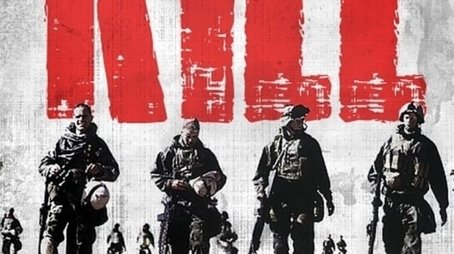
In the "Generation Kill" special, the narrative begins with a focus on the Marines of the 1st Reconnaissance Battalion as they prepare for deployment to Iraq during the early stages of the Iraq War in 2003. The audience is introduced to key characters, including Sergeant Major John Sixta, who provides insight into the mindset of the Marines and the challenges they face. The atmosphere is tense, filled with a mix of anticipation and anxiety as the soldiers gear up for what lies ahead.
As the Marines board their vehicles and begin their journey, the special captures the camaraderie and banter among the soldiers. They share stories and jokes, revealing their personalities and the bonds they have formed. The camera pans over the rugged terrain as they travel, showcasing the harsh environment they are about to enter. The mood shifts as they receive briefings about their mission objectives, emphasizing the seriousness of their task and the potential dangers they will encounter.
Upon arrival in Iraq, the Marines are met with the stark reality of war. The special highlights their initial encounters with the local population, showcasing the complexities of their mission. Tensions rise as they navigate the unfamiliar landscape, and the soldiers grapple with the moral implications of their presence in a foreign land. The emotional weight of their mission begins to settle in, as they witness the impact of the conflict on civilians.
As the Marines engage in their first combat operations, the special delves into the chaos of battle. The sound of gunfire and explosions fills the air as they confront enemy forces. The camera captures the intensity of the firefights, focusing on the fear and adrenaline coursing through the soldiers. Key decisions are made in the heat of battle, with leaders like Lieutenant Nathaniel Fick and Sergeant Brad Colbert making split-second choices that affect the outcome of their missions.
Throughout the special, the internal struggles of the characters are explored. Fick grapples with the weight of leadership and the responsibility for his men's lives, while Colbert deals with the emotional toll of combat. The special emphasizes the psychological impact of war, showcasing moments of vulnerability and doubt among the Marines. These personal battles are juxtaposed with the external conflicts they face, creating a rich tapestry of human experience in wartime.
As the Marines continue their operations, they encounter various challenges, including logistical issues and communication breakdowns. The special highlights the frustration and confusion that arise from these obstacles, as the soldiers strive to maintain their focus amidst the chaos. The camaraderie among the Marines is tested as they face setbacks, but they ultimately rally together, demonstrating their resilience and determination.
The narrative progresses to a pivotal moment when the Marines are tasked with a high-stakes mission that requires them to navigate through hostile territory. The tension builds as they prepare for the operation, with each soldier acutely aware of the risks involved. The special captures the meticulous planning and coordination required for the mission, showcasing the leadership dynamics within the unit.
During the mission, the Marines encounter unexpected resistance, leading to a fierce firefight. The special details the strategic maneuvers employed by the soldiers as they engage the enemy, highlighting their training and instincts. The chaos of battle is palpable, with the camera capturing the visceral reality of combat--the sounds of gunfire, the shouts of commands, and the palpable fear in the air.
As the firefight escalates, the emotional stakes rise for the characters. Fick and Colbert make critical decisions that impact the safety of their men, showcasing their leadership under pressure. The special emphasizes the weight of these choices, as the consequences of their actions unfold in real-time. The camaraderie among the Marines is both a source of strength and a reminder of the fragility of life in combat.
In the aftermath of the mission, the Marines reflect on their experiences, grappling with the losses they have faced and the toll of their actions. The special captures moments of grief and introspection, as the soldiers process the realities of war. The emotional landscape is complex, with feelings of pride, sorrow, and confusion intertwining as they navigate their roles in the conflict.
As the special draws to a close, the Marines continue to adapt to the challenges of their environment. The narrative highlights their resilience and determination to complete their mission, despite the obstacles they face. The bonds forged in the heat of battle are emphasized, showcasing the deep connections that develop among the soldiers as they navigate the complexities of war together.
The final scenes of the special encapsulate the ongoing nature of their deployment, leaving the audience with a sense of the enduring challenges faced by the Marines. The emotional weight of their experiences lingers, underscoring the profound impact of war on those who serve. The special concludes with a poignant reminder of the sacrifices made by the soldiers, both on the battlefield and in their personal lives.







What is the ending?
In the ending of "Generation Kill," the series culminates with the Marines reflecting on their experiences during the invasion of Iraq. The final scenes depict the aftermath of the conflict, showcasing the emotional toll on the soldiers and their struggles to reconcile their actions with the realities of war. Key characters like Sergeant Major Sixta and Lieutenant Fick grapple with the complexities of leadership and the moral ambiguities of combat. The series closes with a sense of unresolved tension, highlighting the lasting impact of war on the individuals involved.
As the final moments of "Generation Kill" unfold, the narrative shifts to a series of poignant scenes that encapsulate the emotional and psychological aftermath of the Marines' experiences.
Scene 1: The Marines are gathered in a makeshift camp, the sun setting over the horizon, casting long shadows on the ground. The atmosphere is heavy with a mix of camaraderie and unspoken grief. Sergeant Major Sixta stands before the troops, his voice steady but tinged with fatigue. He addresses the men, acknowledging the challenges they faced and the sacrifices made. The camera captures the weary faces of the Marines, each one reflecting a different aspect of the emotional burden they carry.
Scene 2: Lieutenant Fick is seen sitting alone, staring into the distance. His expression is contemplative, revealing the weight of leadership and the moral dilemmas he has encountered. Flashbacks of intense combat and the chaos of war flicker through his mind, juxtaposed with the quiet of the present moment. He grapples with the decisions he made and the lives affected by those choices, embodying the internal conflict that many soldiers face after returning from combat.
Scene 3: The narrative shifts to a group of Marines sharing stories around a small fire. Laughter breaks the tension momentarily, but it is clear that the humor is a coping mechanism. As they reminisce about their time in Iraq, the laughter fades into silence, and the reality of their experiences settles in. Each Marine shares a moment that impacted them deeply, revealing their vulnerabilities and the scars that remain, both visible and invisible.
Scene 4: The final scene focuses on the Marines packing their gear, preparing to leave the battlefield behind. The camera lingers on their hands as they fold uniforms and stow away personal items, symbolizing the transition from soldiers to civilians. The weight of their experiences is palpable, and the uncertainty of what lies ahead looms large. As they board the transport vehicles, the mood is somber, underscoring the emotional toll of their service.
In the closing moments, the series leaves viewers with a sense of unresolved tension. The fate of the main characters is left open-ended, reflecting the ongoing struggles many veterans face. Sergeant Major Sixta continues to lead, but the burden of command weighs heavily on him. Lieutenant Fick, while determined to uphold his values, is left questioning the morality of war. The other Marines, each carrying their own emotional scars, are depicted as they embark on a journey of healing, but the path is uncertain.
The series concludes with a powerful reminder of the complexities of war and its lasting impact on those who serve, leaving the audience to ponder the true cost of conflict.
Is there a post-credit scene?
In "Generation Kill," season 0 titled "Specials," there is no post-credit scene. The specials primarily focus on behind-the-scenes content, interviews, and insights into the making of the series, rather than including additional narrative content or scenes that would typically be found in a traditional episode. The emphasis is on providing viewers with a deeper understanding of the characters, the real-life events that inspired the show, and the experiences of the cast and crew during production.
What role does Sergeant Major John Sixta play in the series?
Sergeant Major John Sixta serves as a key figure in the command structure of the Marine Corps unit depicted in Generation Kill. He is portrayed as a tough, no-nonsense leader who emphasizes discipline and the importance of following orders. His interactions with the men reveal his commitment to their safety and effectiveness in combat, while also showcasing the pressures and challenges of military leadership during the Iraq War.
How does the character of Lieutenant Nathaniel Fick evolve throughout the series?
Lieutenant Nathaniel Fick is depicted as a principled and thoughtful leader who grapples with the moral complexities of war. Throughout the series, his character evolves from a relatively inexperienced officer to a more seasoned leader who must make difficult decisions that weigh heavily on him. His internal struggles with the realities of combat and the impact of his choices on his men highlight his growth and the burdens of command.
What is the significance of the relationship between Corporal Ray Person and Sergeant Major Sixta?
The relationship between Corporal Ray Person and Sergeant Major Sixta is significant as it illustrates the tension between enlisted men and their superiors. Ray Person often challenges authority and expresses his frustrations with the military bureaucracy, while Sixta embodies the traditional military values of discipline and respect. Their interactions reflect the broader themes of camaraderie and conflict within the unit, showcasing how personal dynamics can influence morale and effectiveness in combat.
How does the series portray the experiences of the Marines during the initial invasion of Iraq?
Generation Kill portrays the experiences of the Marines during the initial invasion of Iraq with a raw and unfiltered lens. The series captures the chaos, confusion, and adrenaline of combat, as well as the camaraderie and brotherhood among the Marines. Through intense battle scenes, the show highlights the physical and emotional toll of war, illustrating the fear, bravery, and moral dilemmas faced by the soldiers as they navigate the complexities of their mission.
What challenges does the character of Corporal Josh Ray Person face throughout the series?
Corporal Josh Ray Person faces numerous challenges throughout the series, including the harsh realities of combat, the struggle to maintain his sense of humor amidst chaos, and the conflict between his personal beliefs and military orders. His character often serves as a voice of dissent, questioning the decisions made by higher-ups and expressing frustration with the war's execution. These challenges contribute to his development as a character, revealing his resilience and the impact of war on his psyche.
Is this family friendly?
"Generation Kill" is a gritty and realistic portrayal of the early stages of the Iraq War, and as such, it contains several elements that may not be suitable for children or sensitive viewers. Here are some potentially objectionable or upsetting aspects:
-
Graphic Violence: The series depicts combat scenes that include gunfire, explosions, and injuries, which can be intense and disturbing.
-
Strong Language: There is frequent use of profanity throughout the series, reflecting the military environment and the characters' emotional states.
-
Mature Themes: The show explores themes of war, trauma, and the psychological impact of combat, which may be heavy and difficult for younger audiences to process.
-
Substance Use: There are instances of drug and alcohol use among the characters, which may not be appropriate for younger viewers.
-
Realistic Portrayal of War: The series does not shy away from the harsh realities of military life, including the moral complexities and ethical dilemmas faced by soldiers.
These elements contribute to a mature viewing experience, making "Generation Kill" more suitable for adult audiences.