
















Popular
What challenges does the character Lucy face in her relationship with the village residents in Season 2?
How does the character Wojciech's role evolve in Season 2?
What is the significance of the rivalry between the characters of the village mayor and the local farmer in Season 2?
How does the character of Jola influence the dynamics of the village in Season 2?
What role does the village's annual festival play in the character development of the main cast in Season 2?
Should I watch it?
Ask Your Own Question

What is the plot?
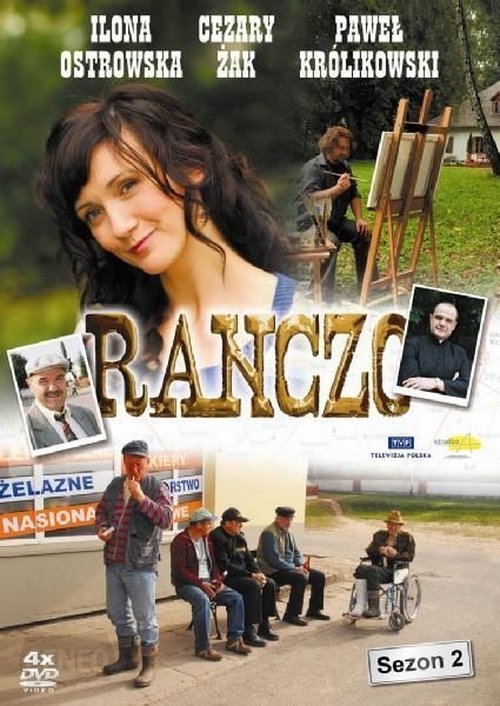
In the second season of "Ranczo," the story continues to unfold in the picturesque village of Wilkowyje, where the main character, Lucy, is still navigating her life after moving from the city. The season opens with Lucy's ongoing struggle to adapt to rural life while managing her relationships with the villagers. She is determined to make a positive impact on the community, but her modern ideas often clash with traditional values.
As the season progresses, Lucy becomes more involved in local affairs, particularly in the village council. She faces opposition from the village's patriarch, the local priest, and other conservative figures who are resistant to change. This tension escalates when Lucy proposes a new community project aimed at improving the village's infrastructure, which is met with skepticism and resistance from the older villagers.
Meanwhile, the romantic subplot thickens as Lucy's relationship with the local farmer, Wojtek, develops. Wojtek is torn between his feelings for Lucy and his loyalty to his family and the village traditions. Their relationship is complicated by the arrival of a new character, a charming city man who tries to win Lucy's affection, creating a love triangle that adds to the drama.
In a pivotal episode, a village festival is organized, and Lucy takes the lead in planning the event. She envisions a modern celebration that incorporates both traditional and contemporary elements. However, her ideas are met with backlash from the villagers who prefer to stick to the old ways. The festival becomes a battleground for the clash of ideologies, and tensions rise as Lucy fights to prove that change can be beneficial.
As the festival approaches, Lucy faces personal challenges as well. She grapples with feelings of isolation and the pressure to fit in with the villagers. Her determination to succeed is tested when she encounters sabotage from those who oppose her vision. Despite these obstacles, Lucy remains resilient and finds support from a few villagers who believe in her cause.
The climax of the season occurs during the festival itself, where a series of unexpected events unfold. The weather turns bad, and the festival is threatened by rain. Lucy, however, rallies the villagers to adapt and make the best of the situation. This moment becomes a turning point for her, as she demonstrates leadership and the ability to unite the community despite their differences.
In the aftermath of the festival, the villagers begin to see the value in Lucy's ideas, and some start to embrace change. Wojtek, realizing his feelings for Lucy are genuine, confronts his family about his desire to support her. This leads to a heartfelt conversation where he expresses his commitment to both Lucy and his roots.
As the season draws to a close, Lucy's relationship with Wojtek deepens, and they share a moment of vulnerability that solidifies their bond. However, the arrival of the city man complicates matters once again, leaving Lucy at a crossroads. The season ends on a cliffhanger, with Lucy facing a decision that could alter her future in Wilkowyje, setting the stage for further developments in the next season.







What is the ending?
In the ending of "Ranczo" Season 2, the village faces a series of conflicts and resolutions that bring closure to various character arcs. The main characters navigate their relationships, confront their personal dilemmas, and ultimately find a sense of belonging and purpose in the village.
As the season concludes, Lucy, who has been torn between her feelings for the local priest and her desire for independence, makes a significant decision about her future. Meanwhile, the village's dynamics shift as the local elections approach, revealing the ambitions and rivalries among the residents. The season ends with a sense of community, as the characters come together to face their challenges, highlighting the importance of unity and support in overcoming adversity.
The final episodes of "Ranczo" Season 2 unfold with a palpable tension in the air, as the village prepares for the upcoming local elections. The camera pans over the picturesque landscape of the village, capturing the vibrant colors of the fields and the rustic charm of the homes, setting the stage for the unfolding drama.
Scene 1: The Election Preparations The villagers gather in the town square, buzzing with excitement and anxiety. The stakes are high, and the atmosphere is charged with anticipation. The camera zooms in on the faces of the main characters: the ambitious mayor, the well-meaning priest, and Lucy, who stands at the center of the unfolding drama. Each character's internal conflict is evident; they are grappling with their desires and the expectations placed upon them by the community.
Scene 2: Lucy's Dilemma Lucy finds herself at a crossroads. She has been torn between her feelings for the priest, who represents stability and tradition, and her yearning for independence and adventure. In a quiet moment, she reflects on her life choices, her face illuminated by the soft glow of the setting sun. The emotional weight of her decision hangs heavily in the air as she contemplates what it means to truly belong.
Scene 3: The Rivalry Intensifies As the election draws near, the rivalry between the mayor and his opponent escalates. The mayor, portrayed as cunning and manipulative, employs underhanded tactics to secure his position. The tension reaches a boiling point during a heated debate in the town hall, where accusations fly and the villagers are divided. The camera captures the intensity of the moment, focusing on the expressions of the villagers as they react to the unfolding drama.
Scene 4: A Moment of Unity In a surprising turn of events, the villagers come together to confront the mayor's tactics. They realize that their strength lies in their unity, and they begin to rally around a common cause. The scene is filled with emotion as the villagers, once divided, find common ground. The camera captures the determination in their eyes, symbolizing their collective resolve to stand up for their values.
Scene 5: Lucy's Choice In the final moments of the season, Lucy makes her choice. She steps forward, her heart racing, and publicly declares her support for the priest, signaling her desire for a life rooted in community and faith. The villagers react with a mix of surprise and admiration, and the camera lingers on Lucy's face, revealing a sense of relief and empowerment. She has chosen a path that aligns with her values, embracing her role within the community.
Scene 6: The Aftermath As the dust settles after the election, the villagers reflect on the outcome. The mayor's manipulations are exposed, leading to a shift in power dynamics within the village. The camera captures the expressions of the main characters as they process the events, each one contemplating their future in this evolving community. The season ends on a hopeful note, with the villagers coming together to celebrate their newfound unity, symbolizing the strength of community and the importance of standing up for what is right.
In the closing scenes, the camera pans out, showing the village bathed in the warm glow of the setting sun, a visual metaphor for the promise of a new beginning. Each character's fate is intertwined with the collective journey of the village, emphasizing the themes of belonging, resilience, and the power of community.
Is there a post-credit scene?
In "Ranczo" Season 2, there are no post-credit scenes. The episodes conclude without any additional scenes after the credits roll. The focus remains on the main narrative and character developments throughout the episodes, with each story arc wrapping up within the episode itself. The series emphasizes the comedic and dramatic interactions among the characters in the village, leaving no room for post-credit content.
What challenges does the character Lucy face in her relationship with the village residents in Season 2?
In Season 2 of Ranczo, Lucy struggles to integrate into the village life, facing skepticism and resistance from the locals who are wary of her modern ways. Her attempts to introduce new ideas and changes often clash with the traditional values of the villagers, leading to humorous yet poignant moments of misunderstanding. Lucy's emotional state fluctuates between determination to fit in and frustration at the villagers' reluctance to accept her.
How does the character Wojciech's role evolve in Season 2?
Wojciech, the local priest, finds himself increasingly involved in the community's affairs in Season 2. His internal conflict grows as he tries to balance his religious duties with the demands of the villagers, who often seek his guidance on personal matters. This season showcases his vulnerability and the weight of responsibility he feels, especially when he must confront moral dilemmas that challenge his faith and commitment to the community.
What is the significance of the rivalry between the characters of the village mayor and the local farmer in Season 2?
The rivalry between the village mayor and the local farmer intensifies in Season 2, serving as a microcosm of the larger conflicts within the village. The mayor's ambition to modernize the village clashes with the farmer's traditional values and way of life. This rivalry is marked by comedic confrontations and strategic maneuvers, revealing deeper themes of power, community, and the struggle between progress and tradition.
How does the character of Jola influence the dynamics of the village in Season 2?
Jola, a vibrant and charismatic character, plays a pivotal role in shaping the social dynamics of the village in Season 2. Her interactions with both men and women bring a fresh perspective, often challenging the status quo. Jola's emotional journey, marked by her search for love and acceptance, resonates with the villagers, leading to both conflict and camaraderie as she navigates her relationships.
What role does the village's annual festival play in the character development of the main cast in Season 2?
The village's annual festival serves as a crucial backdrop for character development in Season 2. It brings together the main cast, forcing them to confront their personal issues and relationships. The festival highlights their individual struggles, aspirations, and the community's collective spirit. As tensions rise and alliances shift during the preparations, characters reveal their true selves, leading to moments of growth, reconciliation, and deeper connections.
Is this family friendly?
"Ranczo," particularly in its second season, is generally considered family-friendly, but it does contain some elements that may be sensitive for children or more sensitive viewers. Here are a few aspects to consider:
-
Mild Language: There are instances of mild swearing or colloquial expressions that may not be suitable for younger audiences.
-
Romantic Themes: The show explores romantic relationships, including love triangles and unrequited love, which may be complex for younger viewers to understand.
-
Social Issues: The series touches on themes such as class differences, rural life struggles, and the challenges of modernity versus tradition, which may provoke deeper discussions.
-
Conflict and Tension: There are moments of interpersonal conflict and tension among characters that could be upsetting, particularly for sensitive viewers.
-
Cultural References: Some humor and situations may rely on cultural references that might not resonate with all audiences, potentially leading to confusion.
Overall, while "Ranczo" is light-hearted and comedic, parents may want to preview episodes to gauge appropriateness for their children.